
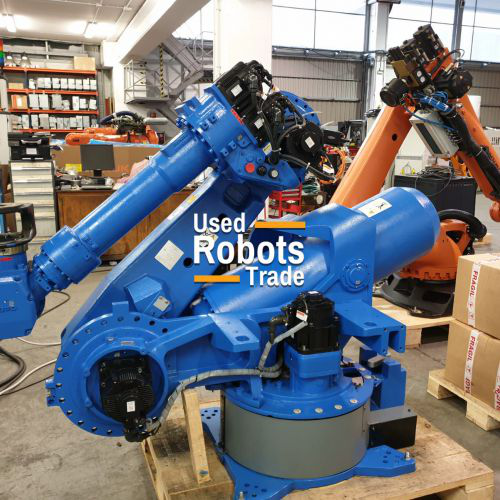
For years, the automotive manufacturing industry has been known for its use of robotics in manufacturing. Ever since the introduction of the very first robots in the early 50’s, there’s a lot that has changed. The US automotive industry saw a boom in 2010 and experienced an increase in manufacturing. The US is also third when it comes to robot density (robot per 1,000 employees), outranked by only Japan and Korea.
Month: April 2019
The Impact Of Automation On The Food Industry
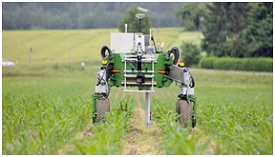
One of the sectors that has managed to take advantage of the benefits of robotic automation is the food and beverage industry, finding an alternative that provides a high level of productivity, adaptability, stability and functionality.
Industrial Markets With The Highest Density Of Robots
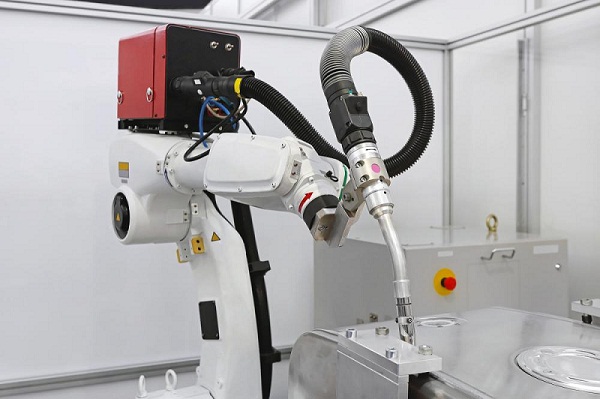
The robotics market has been in high demand in recent years, offering easy, cost-effective solutions with a minimum amount of failures. Of course, the benefits of new technologies have allowed for lower prices and a quick return on investment (ROI). These factors have driven the rapid growth and adoption of robotic systems, allowing small and medium-sized enterprises to acquire them and thus improve their productivity.
Growth Of The Collaborative Robots (Cobots) Market
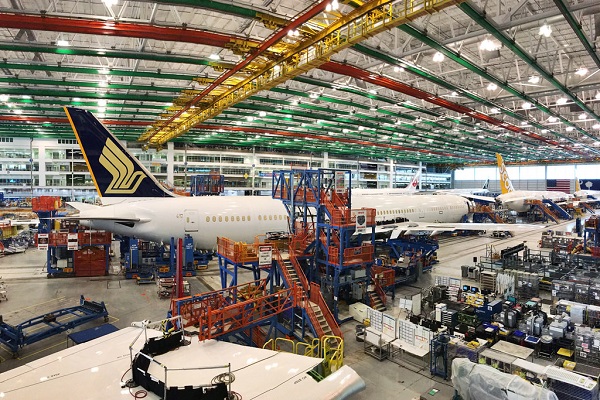
Collaborative robots have existed since 1990, and since then there have been many great technological advances that have influenced the growth and improvements of these cobots, which now include advanced sensors, software, EOAT, cameras and artificial intelligence, plug and play, and CAD data (for automatic programming) that help them to detect and adapt quickly and easily to any type of situation in their work area, generating effective automation.
Growth Of Agricultural Automation
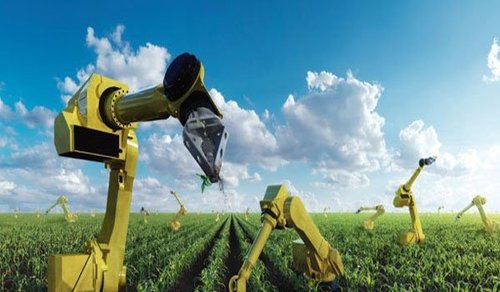
The characteristics of a robotic system in the agricultural sector include its contribution to labor power, the high index of savings and an increase in the yield of crops based on data collection and analysis, automating hard manual tasks.