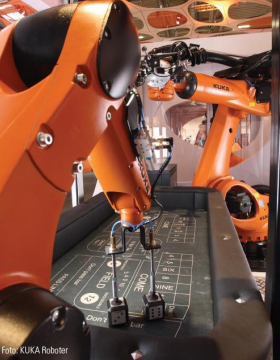
In the world of industrial automation, innovations that optimize the performance of robotic systems are essential for improving the efficiency and precision of tasks. A notable example is the collaboration between Kuka and Kollmorgen, which led to a significant improvement in the power density of the motors used in the KR Agilus series robots. Better
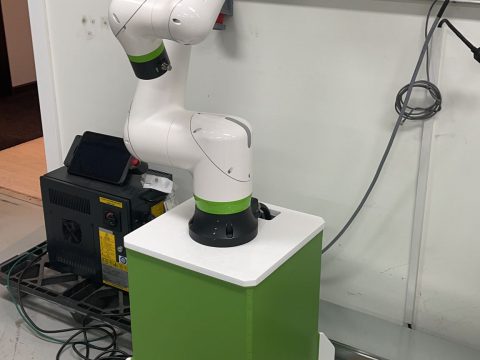
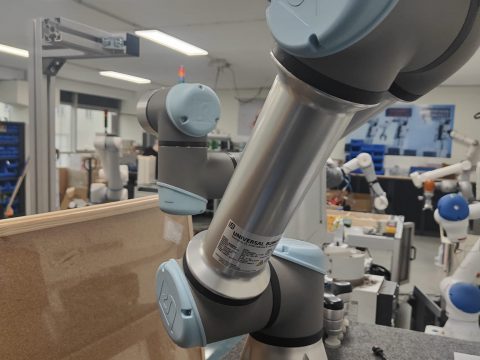
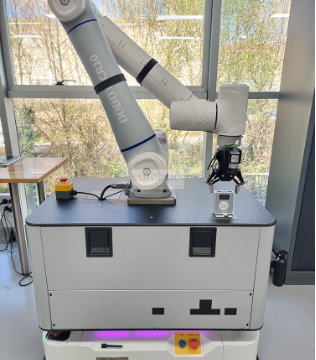
The modern industry faces an increasingly competitive environment, where the pursuit of efficiency and productivity has never been more crucial. In this scenario, collaborative robots, or cobots, emerge as one of the most powerful technological solutions to transform industrial operations. Cobots are designed to work hand-in-hand with employees, without the need for complex safety barriers,
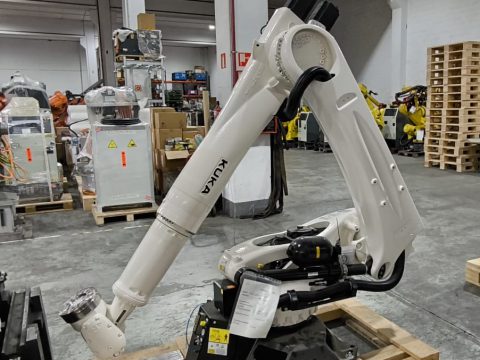
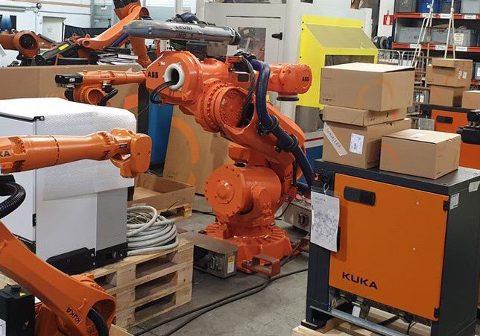
In the world of industrial technology, robotic automation has revolutionized the way companies operate, improving efficiency and reducing costs. One of the leaders in this field is URT, with its KUKA KR120 R3900 industrial robot, which stands out for its ability to adapt to the specific needs of different industries. Flexibility of Industrial Robots The
Collaborative robotics, or “cobots,” has revolutionized the industry by enabling safe and efficient interaction between humans and robots. Their strategic implementation can optimize processes and generate a significant return on investment (ROI) in reduced timeframes. 1. Initial investment and associated costs • Cobot cost: Prices vary depending on the capabilities and specifications of the robot.
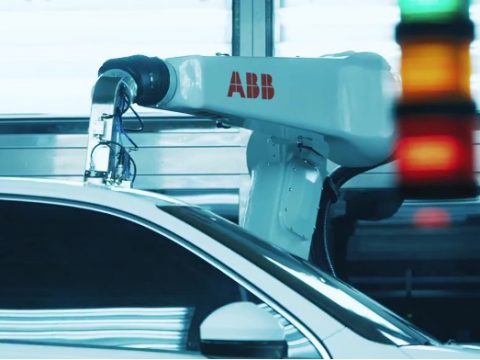
In a world where technological innovation is key to staying competitive, ABB has taken a significant step by initiating a strategic collaboration with the Austrian company Engineering Software Steyr (ESS). This alliance aims to develop advanced simulation tools that will transform the operations of automotive paint shops, optimizing processes, predicting failures, and improving decision-making in
Automation has become a crucial tool for increasing efficiency and reducing costs in various sectors. However, it is essential to ask the right questions before starting an automation project to ensure success and optimize return on investment. Here we explore three key questions that every company should consider before integrating automation into their processes. 1.
In the current landscape of industrial production, the implementation of robotics has not only revolutionized efficiency and production speed but has also positioned safety as a fundamental pillar. According to a recent report by ATX Robotics, the safe integration of robots into the industrial environment can be achieved through a series of innovative strategies. Safe
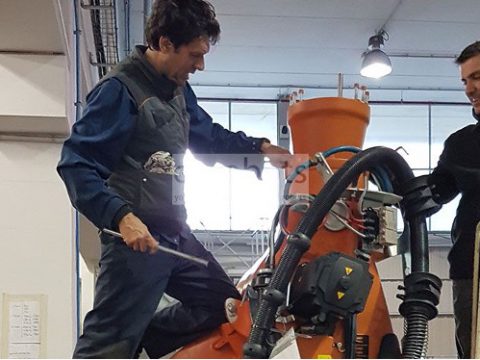
In contemporary industry, where robotics plays an increasingly crucial role in process automation, minimizing downtime is essential to maintain operational efficiency and performance. Below are some fundamental strategies to prevent downtime in robotic automation. Regular Maintenance Regular maintenance is key to avoiding unexpected stoppages. This process includes scheduled inspections, lubrication, and replacement of worn parts.
ABB Robotics has recently launched its Energy Efficiency Service, a comprehensive package of consulting, analysis, and tools designed to increase the energy efficiency of industrial robots. This service promises to reduce energy consumption by up to 30%, addressing the high energy costs that hinder the competitiveness of many manufacturers. The Need for Energy Efficiency Reducing
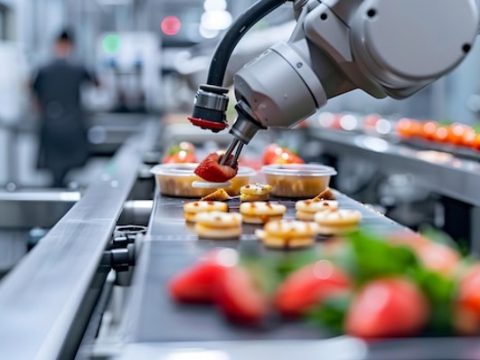
In the food industry, hygiene and efficiency are crucial to ensuring food safety and consumer satisfaction. Robotic washing has emerged as an innovative solution to maintain high standards of cleanliness in food handling environments. This article explores how robotic washing is transforming the food industry, highlighting specific examples of robots used in this process. The