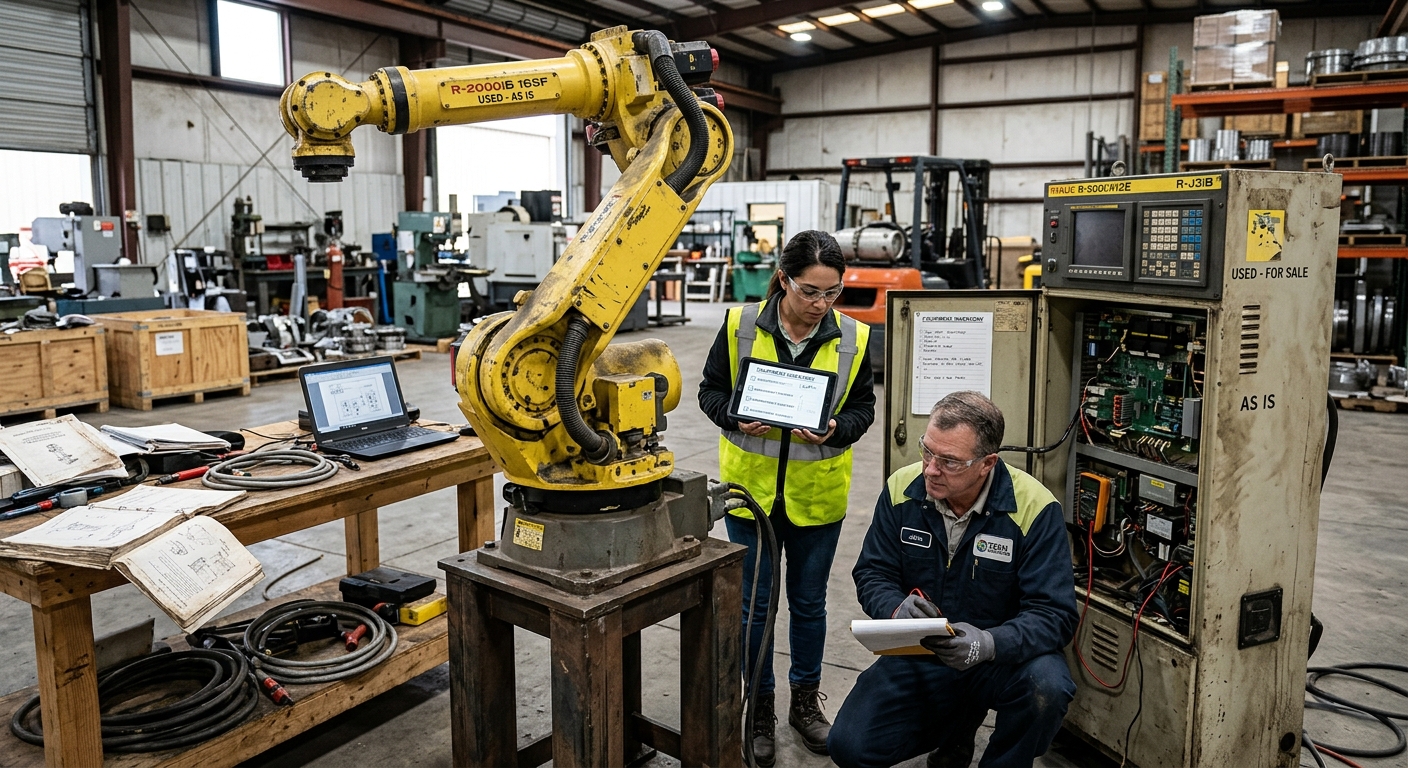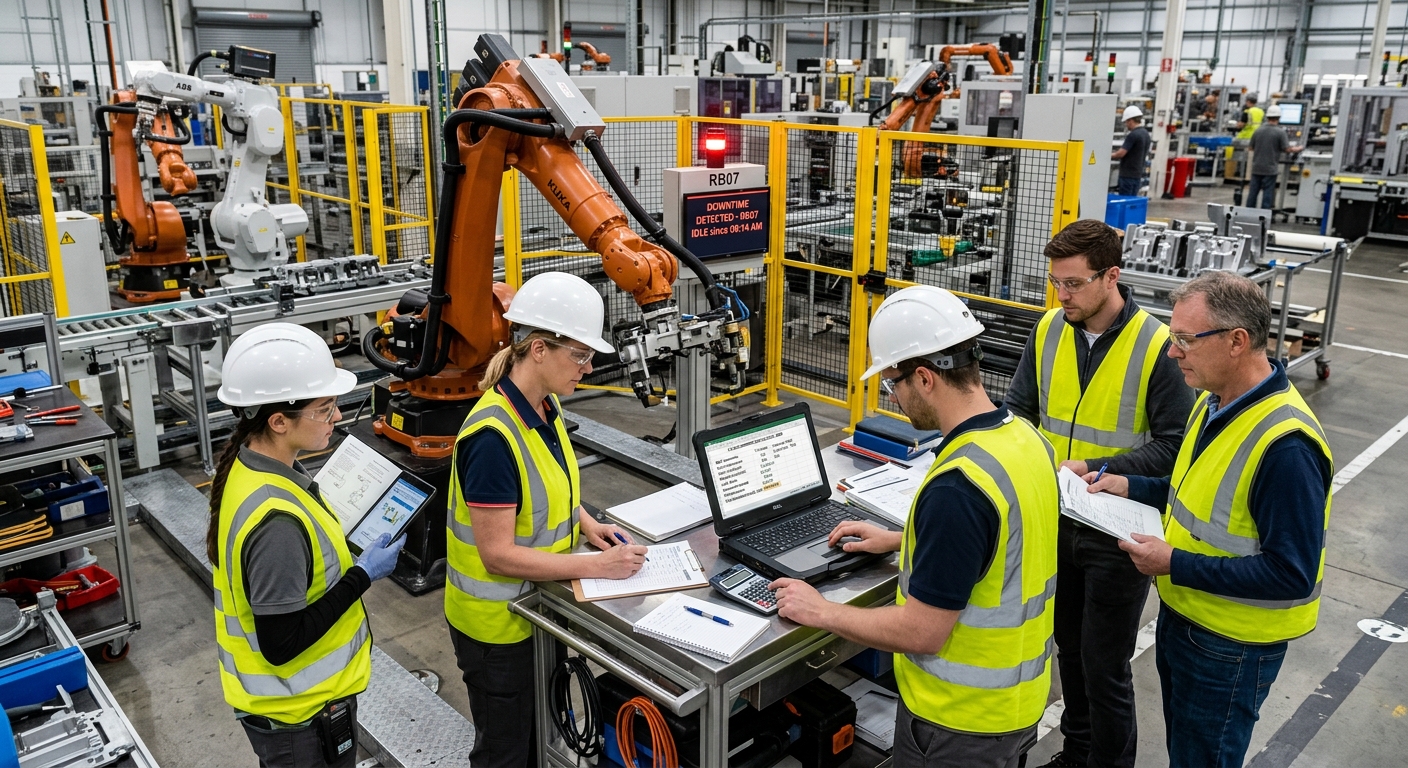
Industrial Robots in Pharma: Reducing Errors Safely

Industrial robots are increasingly central to pharmaceutical manufacturing strategies focused on quality, compliance, and operational resilience. Unlike other industries where automation is mainly driven by speed or labor costs, pharma automation is primarily about error reduction, repeatability, traceability, and risk control. When processes require consistent execution, minimal human contact, and complete documentation, robotic systems provide … Read more

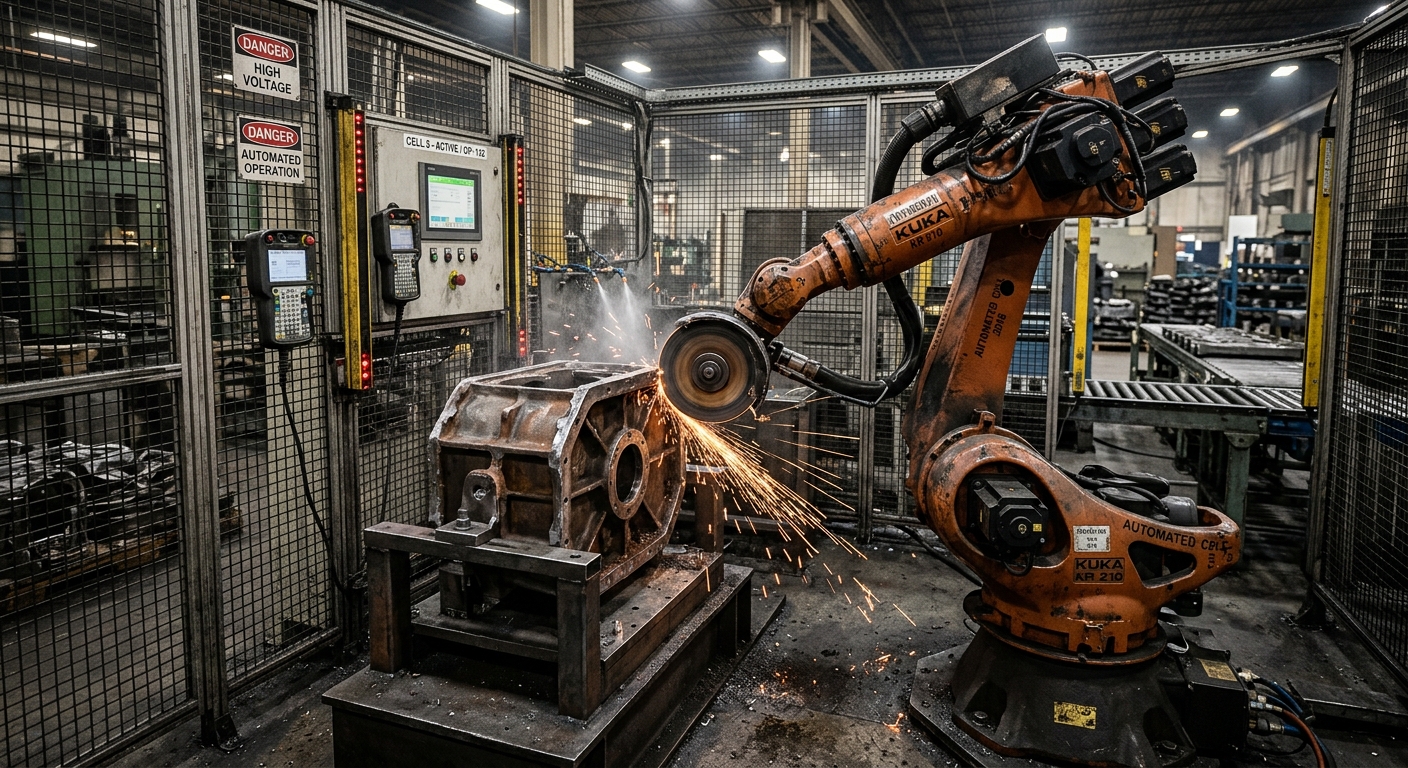
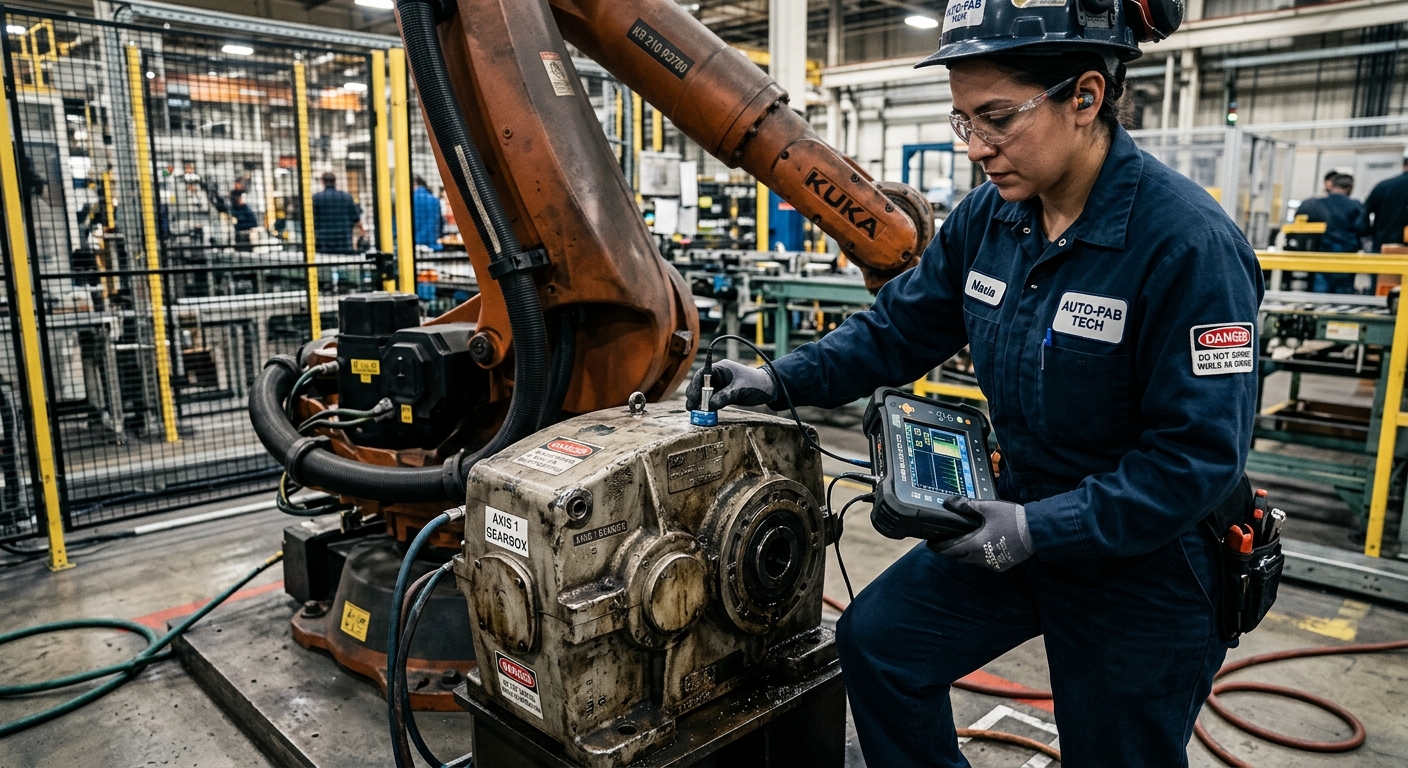
How Robotic Milling Works and When It Beats Manual Processes

Robotic milling has become an increasingly discussed topic in industrial manufacturing, particularly in sectors where part size, geometry, and variability make traditional manual processes difficult to control. While robotic milling is not a universal replacement for machine tools, it can be a highly effective alternative when companies need flexibility, reach, and repeatability that manual operations … Read more

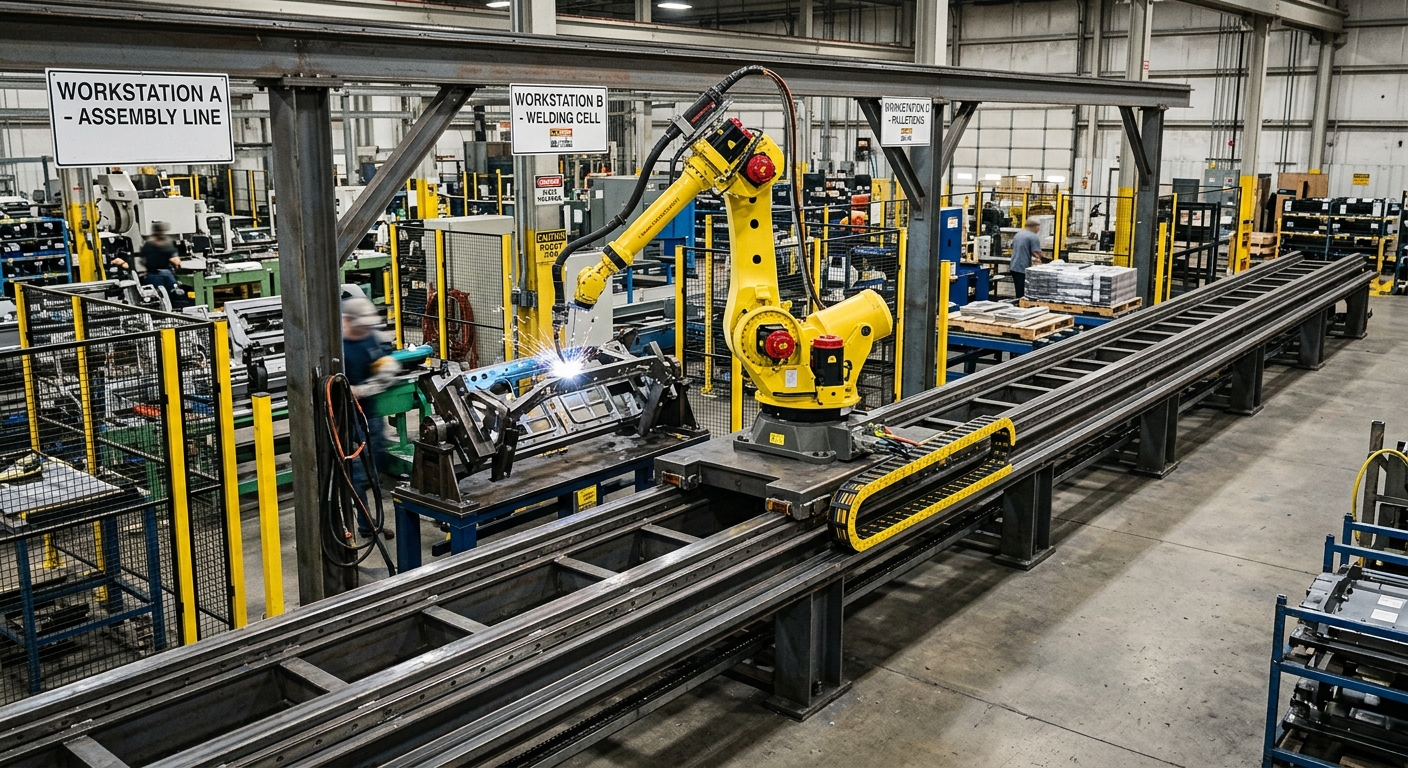
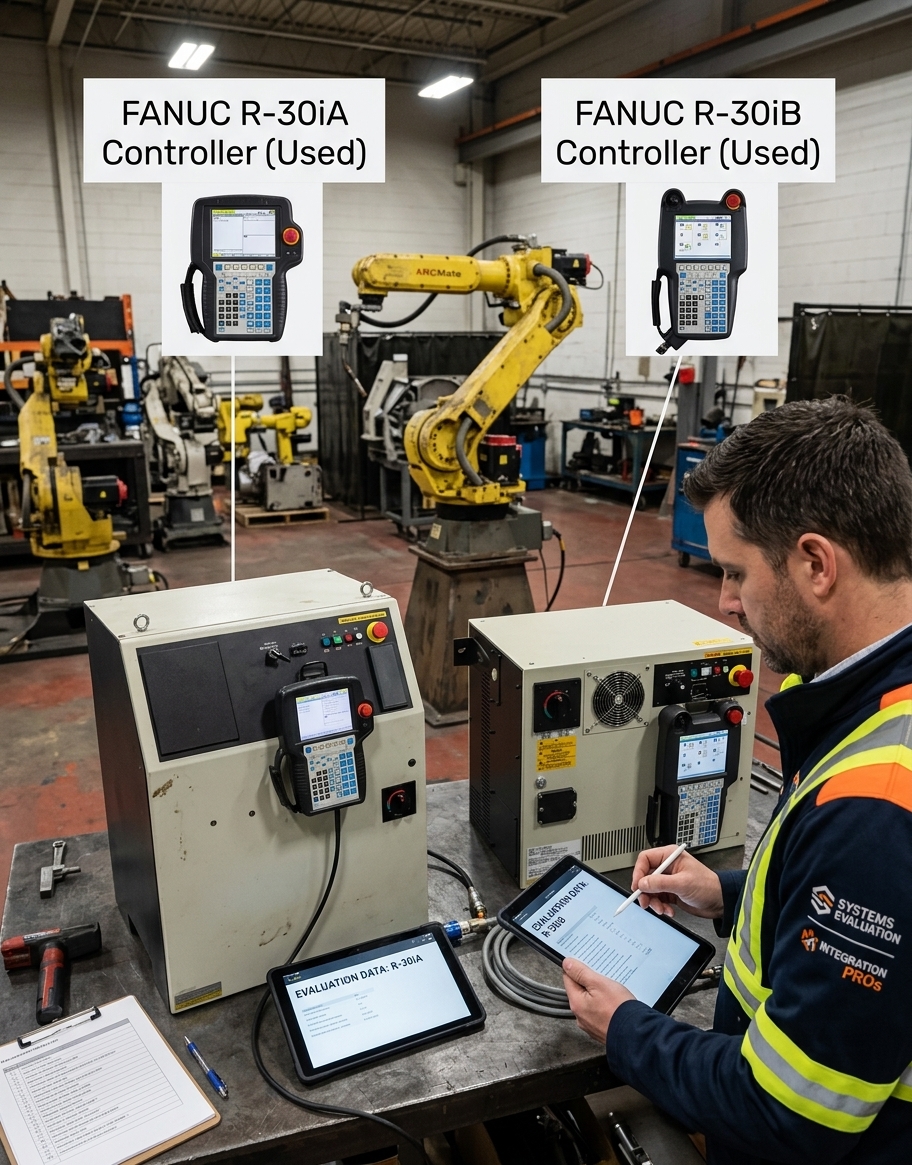
FANUC M‑410iC/110 Palletizing Robot: Efficiency in Logistics

Palletizing is one of the most repetitive, physically demanding, and operationally critical activities within industrial supply chains. Whether in food and beverage, consumer goods, automotive, or logistics hubs, the way products are stacked, stabilized, and prepared for shipment has a direct impact on throughput, safety, and distribution reliability. In recent years, increasing labor shortages, higher … Read more

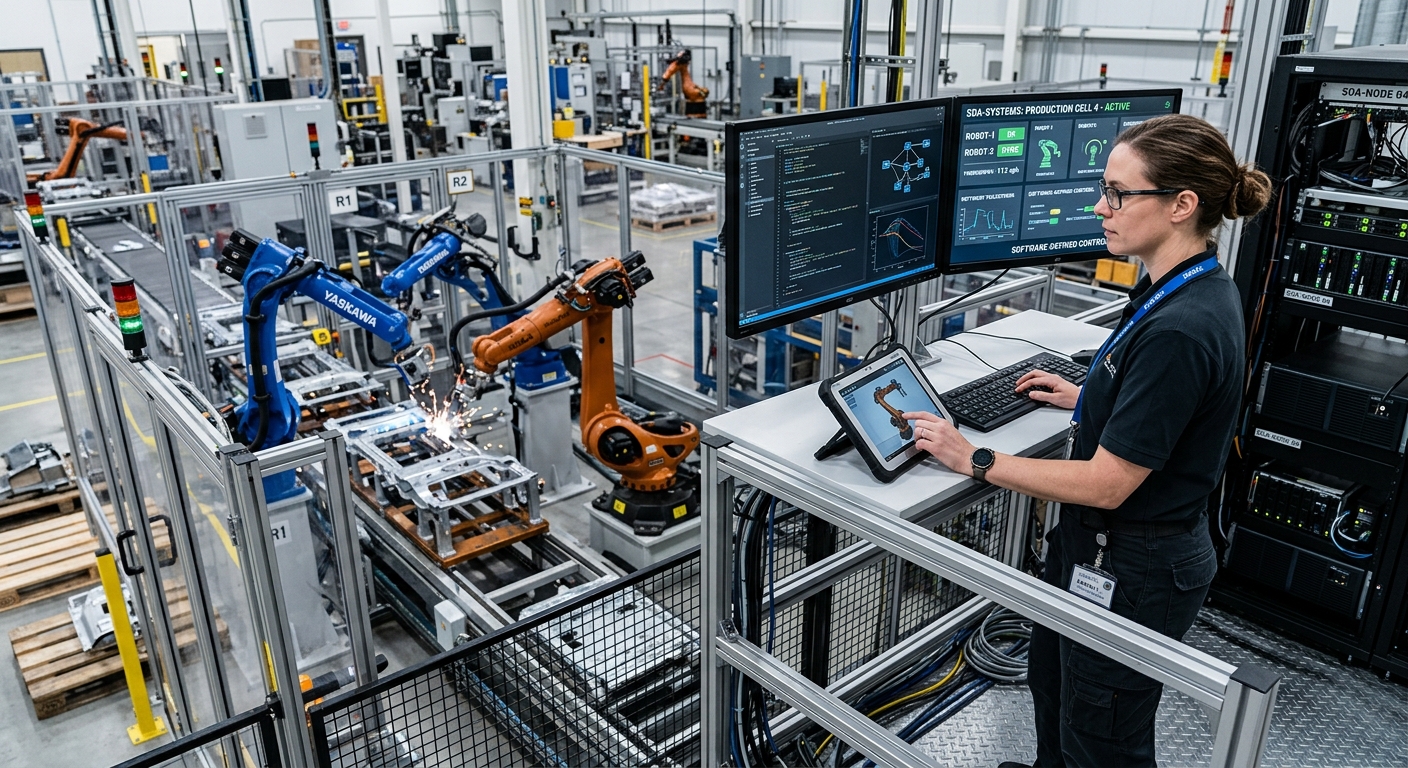
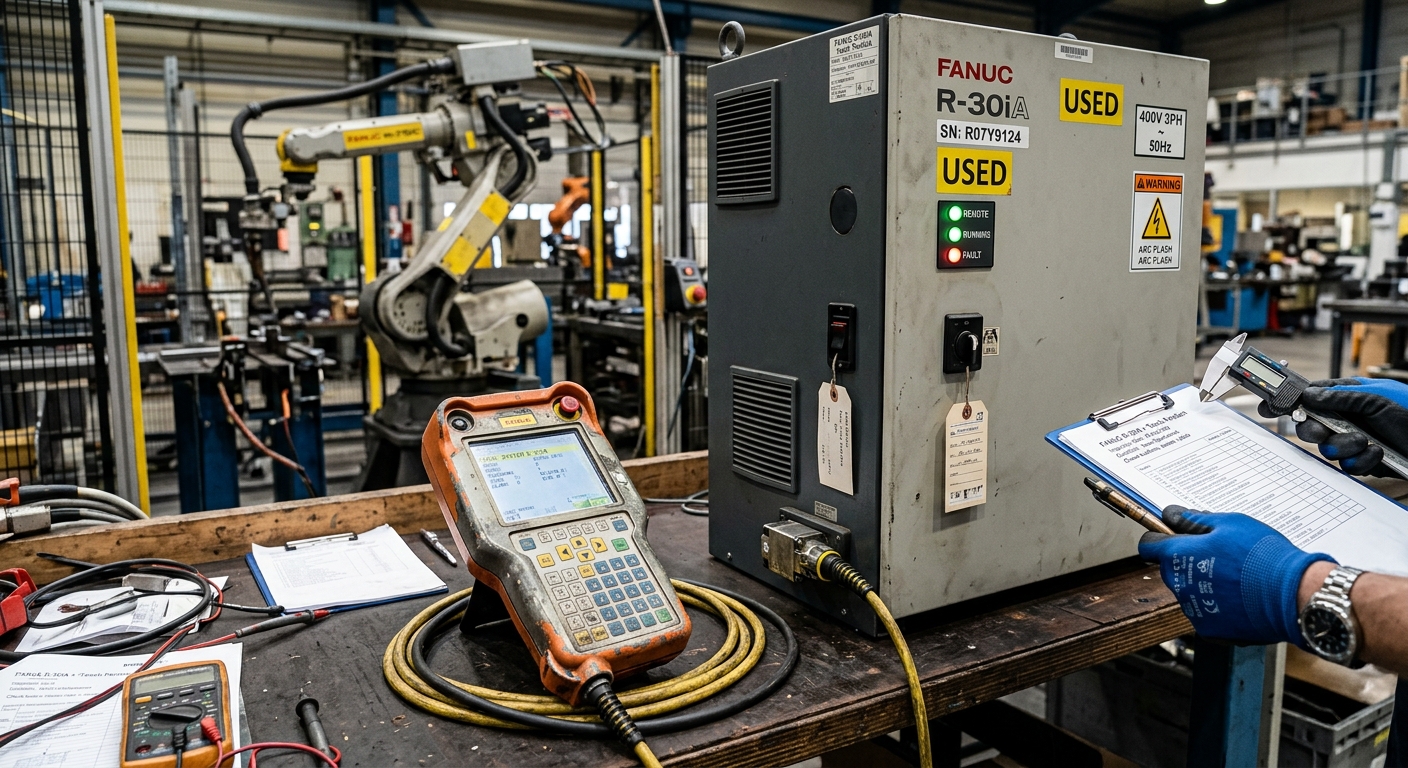
How to Automate Quality Control with Machine Vision and Robots Without Slowing Production

It is possible to automate quality control using machine vision and industrial robots without stopping or slowing down production—as long as the solution is designed around the real manufacturing process, not the other way around. When inspection is properly integrated, the robot positions the part, the camera captures critical information, and the software determines within … Read more

Industrial Robotics in Mining: What to Automate First to Reduce Risk

Industrial robot used in a controlled automation cell for mining-related handling and maintenance operations

Mining is one of the few sectors where the case for industrial robotics is not mainly about speed. It is about reducing human exposure to tasks performed near dust, vibration, heat, heavy equipment, falling material, or hard-to-reach areas. Operations managers in this industry rarely need to be convinced that automation can be useful. The real … Read more

Manual process automation mistakes to avoid

Industrial robot prepared for manual process automation in a factory setting

One of the most common starting points in industrial automation projects begins with a reassuring statement: “The process works fine as it is.” Ironically, this is often where the real problems start. Many manual processes appear stable only because human operators continuously compensate for imperfections: adjusting positions, correcting variations, interpreting visual cues, and making small … Read more

What logistics considerations should be taken into account when automating material handling processes with robots?

Automating material handling with robots requires more than simply selecting the right robot. It also involves organizing how materials are transported, stored, moved, and managed throughout your factory or logistics center. Material handling covers everything from the arrival of raw materials to internal material flow and the outbound shipment of finished products. Poorly designed automation … Read more

Which process should you robotize first to achieve the fastest ROI

Production manager evaluating industrial automation process selection on a manufacturing floor

Choosing the first process to robotize in a manufacturing plant is one of the most consequential automation decisions a company makes — not because the first project is the largest, but because it sets the internal reference point for every project that follows. A first project that delivers clear, measurable results builds the organizational confidence … Read more

End of line: when to automate and when a semi-manual solution makes more sense

Robotic palletizing cell at the end of a production line in a food and beverage manufacturing facility

End of line automation is where most manufacturing plants first encounter a decision that is harder than it looks. The problem is visible — operators handling heavy loads repetitively, inconsistent pallet patterns, throughput that drops every time a format changes or a shift ends. The solution appears obvious: install a robot. But the companies that … Read more

Can a process with variable parts be robotized?

Yes, it is possible to automate a process that involves variable parts, but feasibility depends on what changes from part to part and how much tolerance the operation allows. If variability stays within defined limits, robotics can absorb it through: adaptive tooling vision systems appropriate programming strategies When variation is chaotic and input data is … Read more