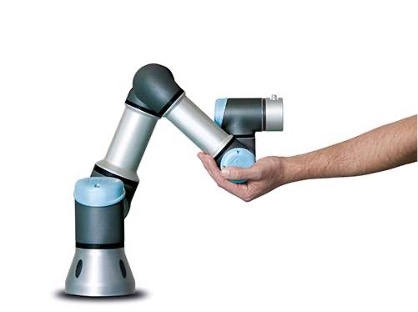
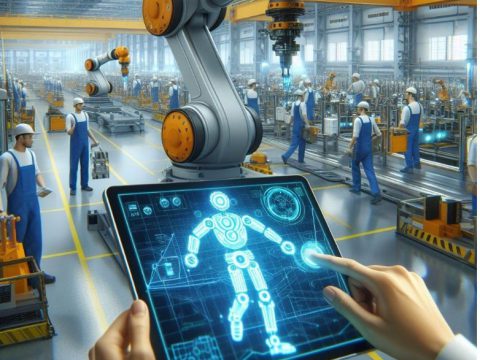
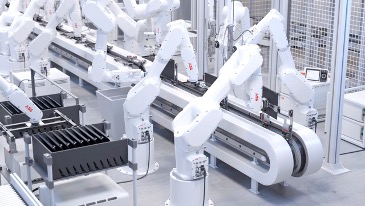
At the heart of modern factories, a new era of automation is taking shape, where humans and machines collaborate in perfect harmony to drive efficiency and productivity. This revolution is being led by “cobots”, or collaborative robots, which are radically transforming the way manufacturing is carried out around the world. Cobots represent a significant advance
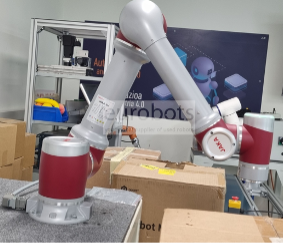
Collaborative robots, also known as cobots, are automation tools that work in collaboration with humans. Due to their ease of use, low cost and high precision, they are becoming increasingly popular in different sectors. In education, cobots are being used to teach students programming and robotics skills in an interactive way. For example, the Dobot
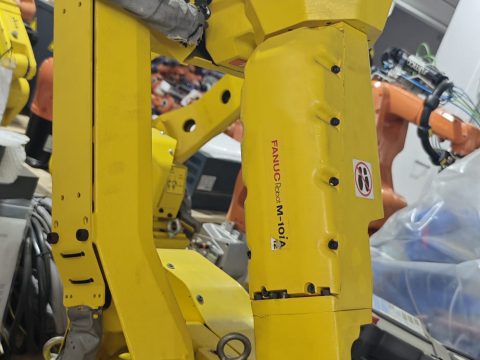
In the dizzying world of industrial robotics, the constant search for efficiency and technological innovation are fundamental elements to stay at the forefront of global competition. In this context, the Fanuc M-10iA/10MS Robot emerges as an outstanding solution, offering exceptional performance and unprecedented versatility for a wide range of industrial applications. Conceived by Fanuc, a
In the continuous search for sustainable solutions in the industrial field, the integration of robotics has emerged as a crucial element. Industrial robots, once seen primarily as enablers of production and automation, are now being re-evaluated in terms of their environmental impact and contribution to sustainability. This shift in perspective is leading to significant innovations
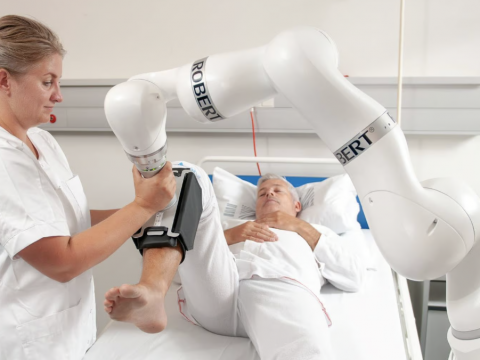
In recent years, the integration of robotics into various sectors has brought about transformative changes, and healthcare is no exception. One fascinating application of robotics in healthcare is their use in rehabilitation. Collaborative robots, also known as cobots, are emerging as invaluable assets in the field of rehabilitation, offering new avenues for patient care and
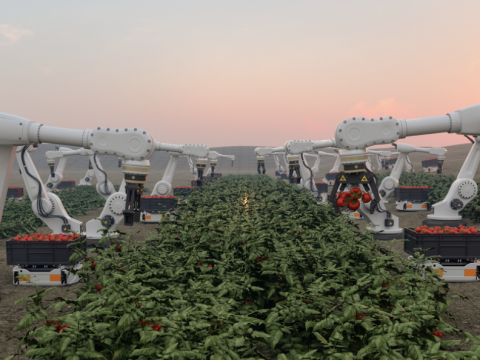
In recent years, the agriculture sector has witnessed a significant transformation driven by advancements in technology. Among these innovations, robotics applications have emerged as a game-changer, revolutionizing traditional farming practices. With the integration of robotics, farmers can achieve higher efficiency, improved productivity, and sustainable practices. Let’s delve into how robotics is enhancing the farming industry
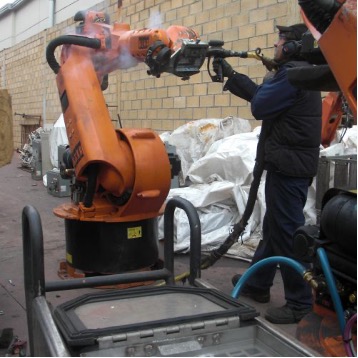
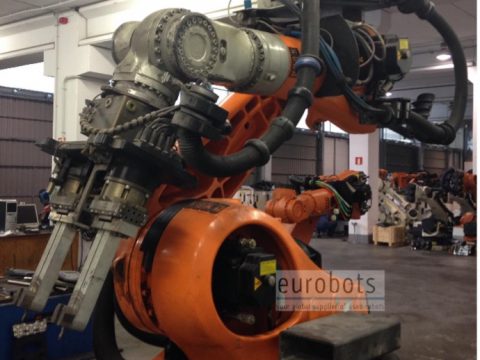
The industry has seen great technological advances in recent years, especially in the field of robotic automation. Robotic arms have become essential in different sectors, such as the industrial sector. In particular, robots used in foundry processes have proven to rise to the challenge of heat and help successfully complete various tasks. Robotic arms for
Amid the global pandemic and growing concerns about the environment, leading industrial robotics companies such as KUKA, ABB, Motoman and FANUC played a crucial role in adapting to new safety, hygiene and environmental regulations. These companies have demonstrated exceptional commitment to creating innovative solutions that not only ensure worker safety but also contribute to environmental
In recent years, we have witnessed exponential growth in the development of technologies such as artificial intelligence (AI) and robotics. These innovations have revolutionized various sectors of our society, including the industrial field. In this article, we will explore the four main ways in which these technologies are expected to completely transform the industry by
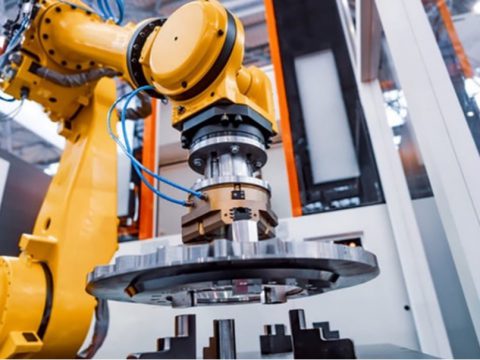
Process automation is currently causing an extraordinary revolution in the industry. In this sense, industrial robots have emerged as a vital instrument to increase production and efficiency in various sectors, such as the manufacturing, chemical and automotive industries. With its articulated robots, which provide a multitude of advantages to its customers, ABB, a pioneer in