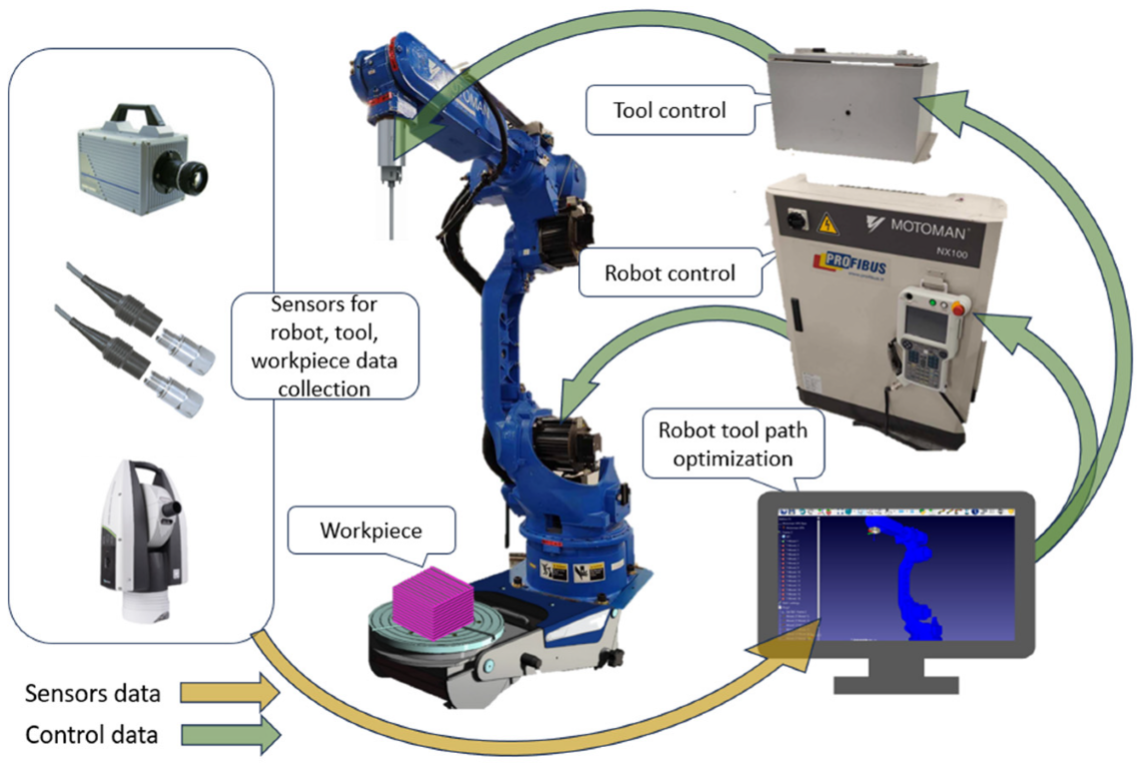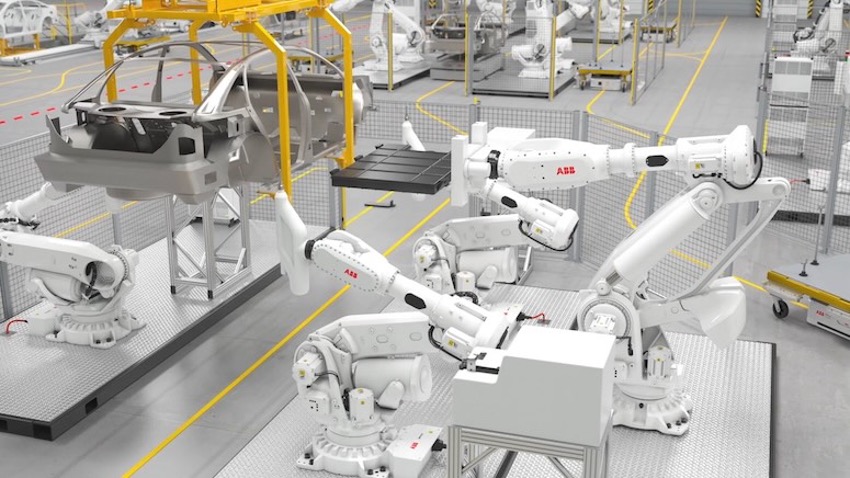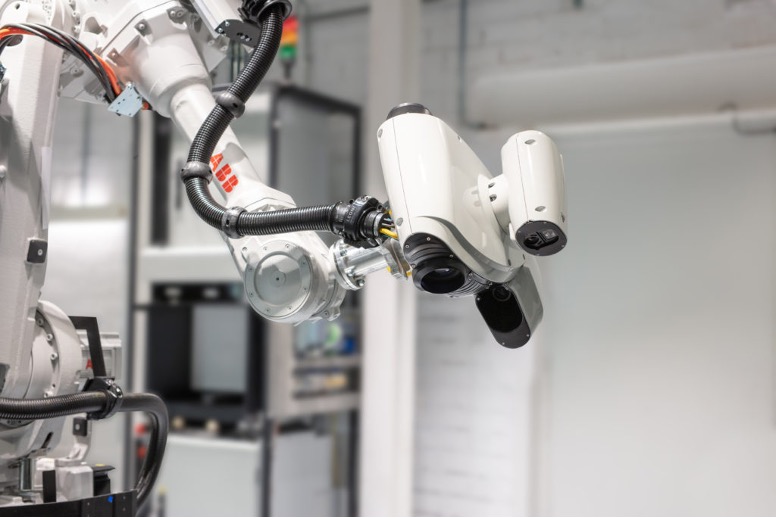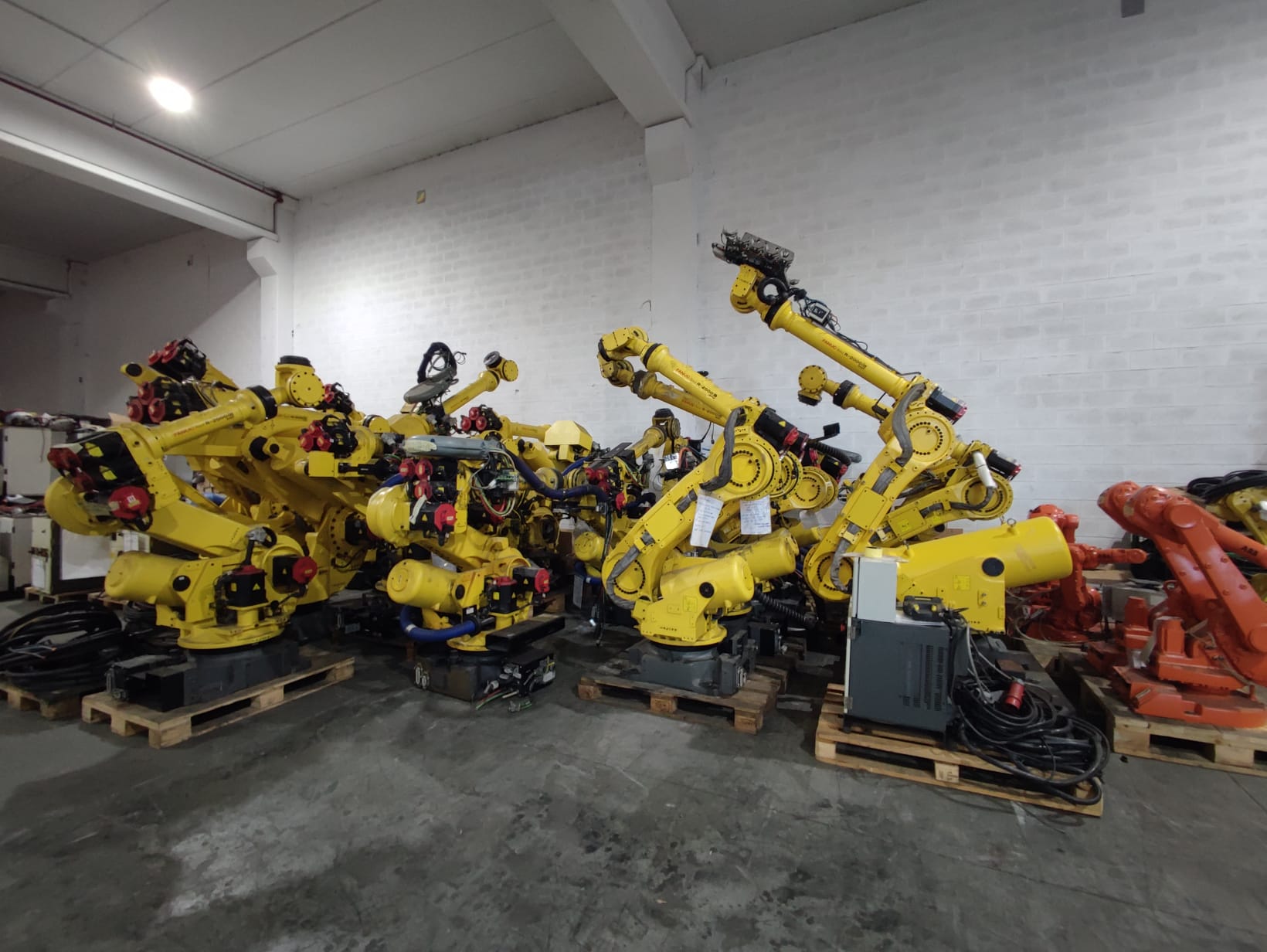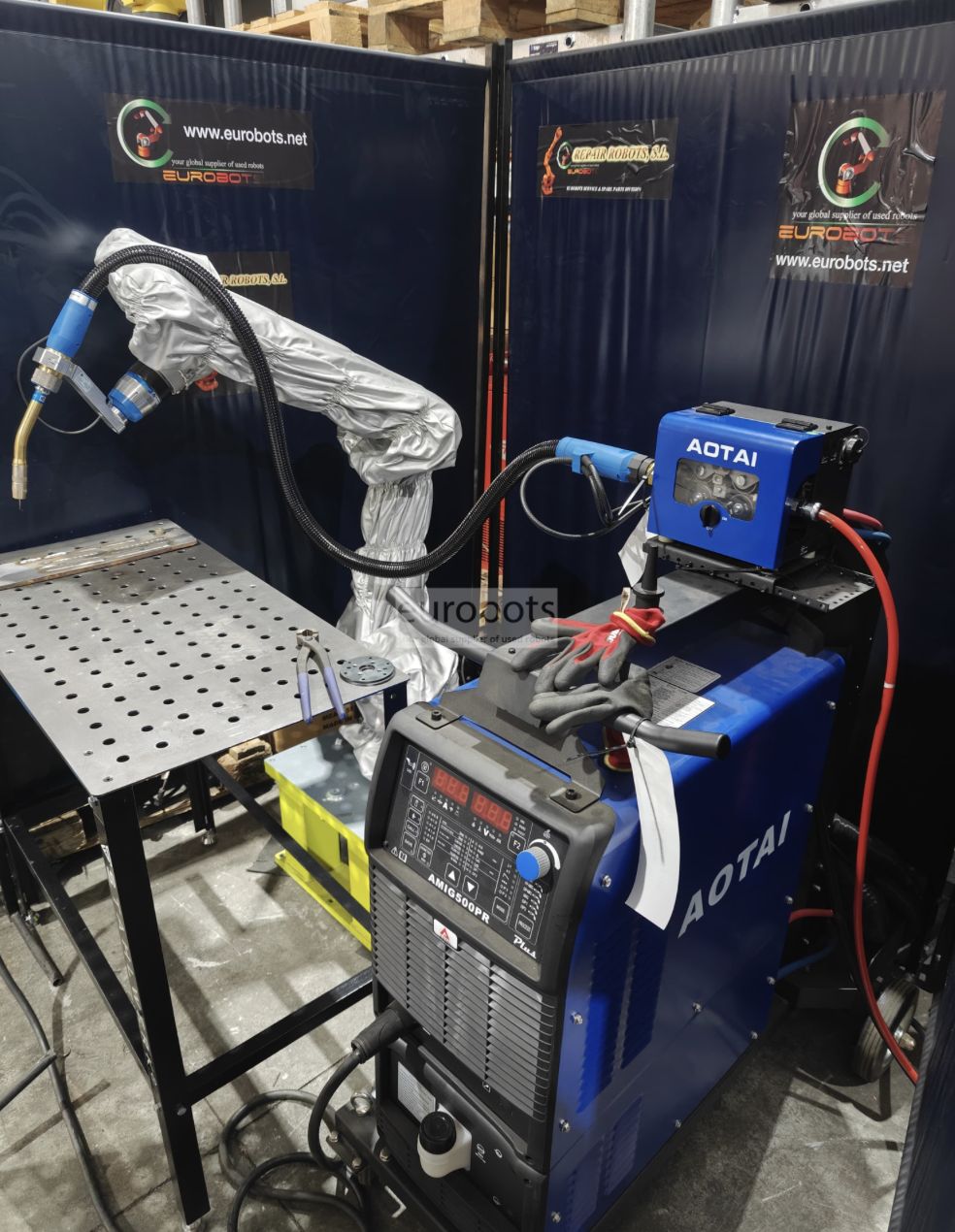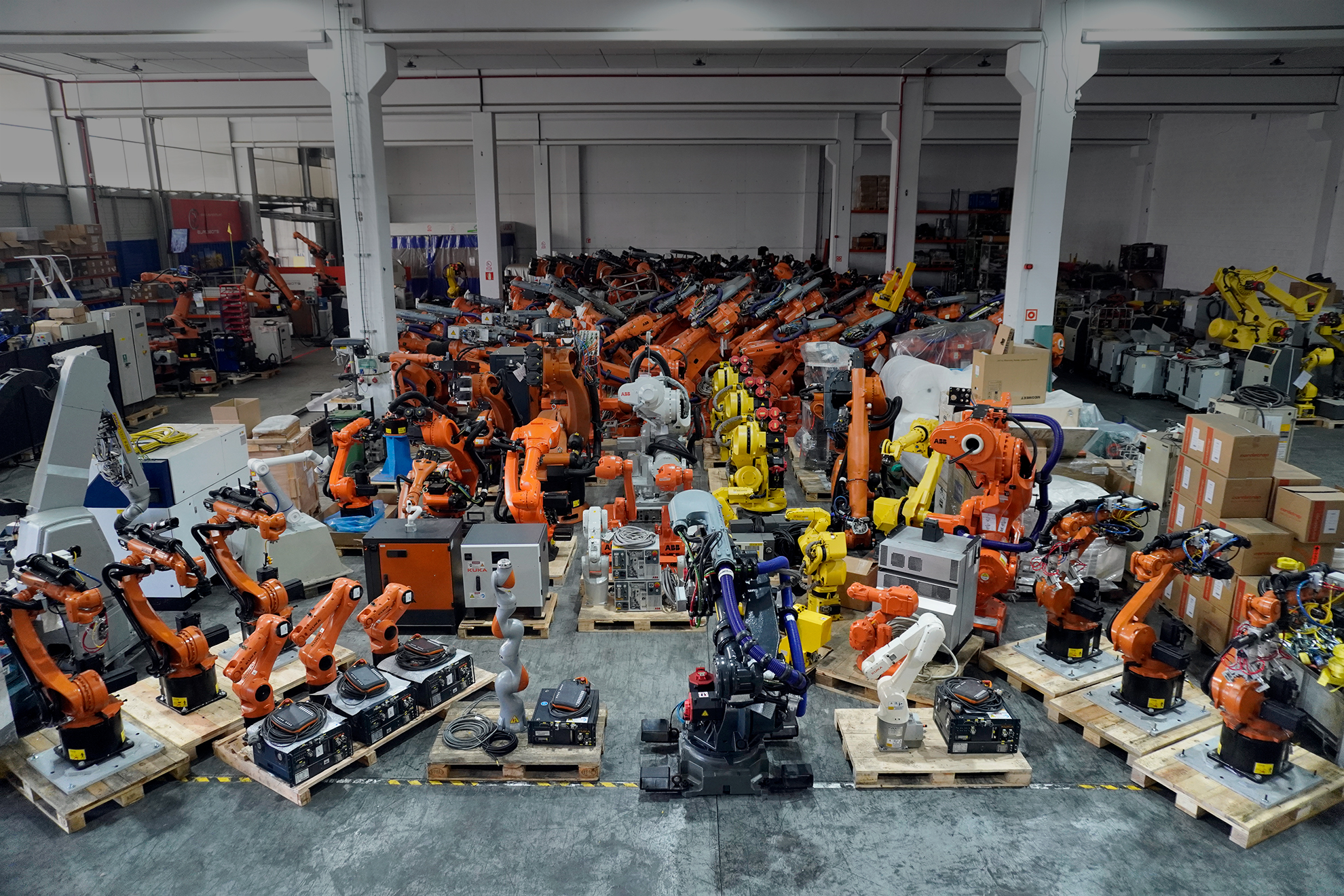
Simulation always looks calm. Everything flows. Nothing vibrates. Nothing shifts. No surprises. On screen, the robot never hesitates. That’s why, when the system moves from the digital environment to the real plant, the contrast is often brutal. The first contact with the real material — the one with history, moisture, internal stresses, inherited tolerances —
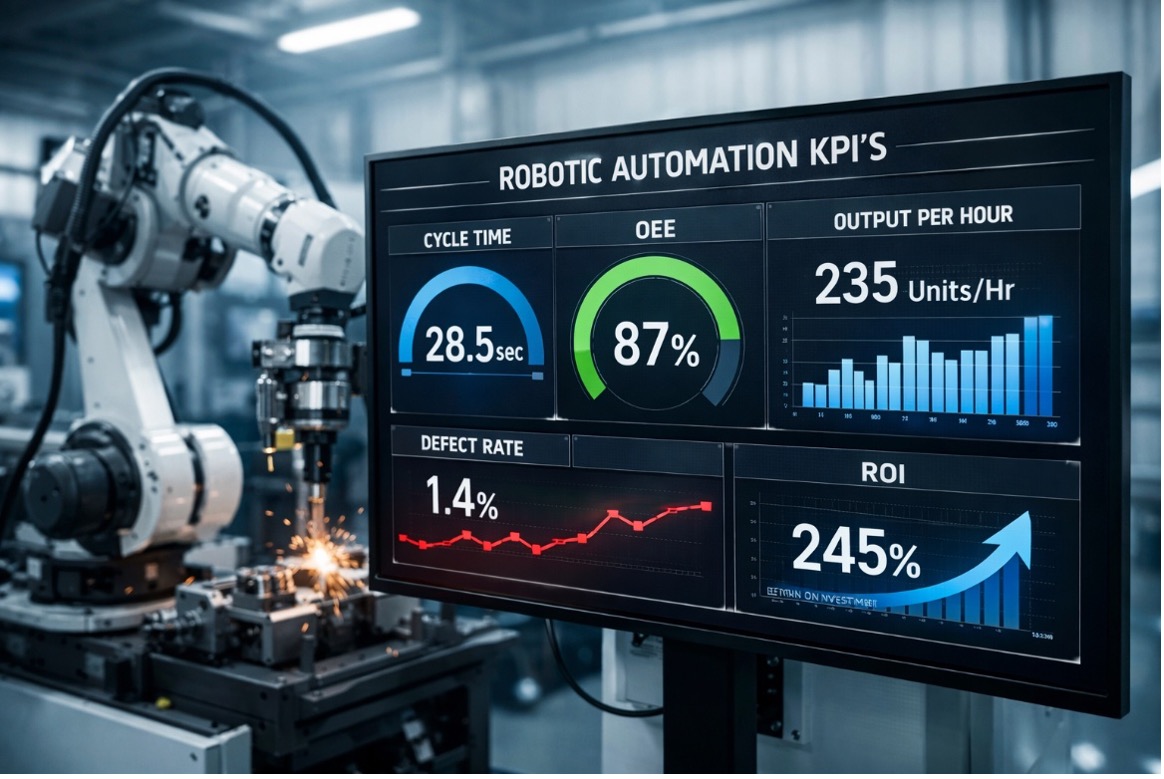
Implementing robotic automation in an industrial plant is not just about purchasing a robot or a cell — it’s about measuring whether it is truly delivering the expected benefits in productivity, quality, and cost reduction. To do this, it is essential to define and track Key Performance Indicators (KPIs) that validate the impact of automation
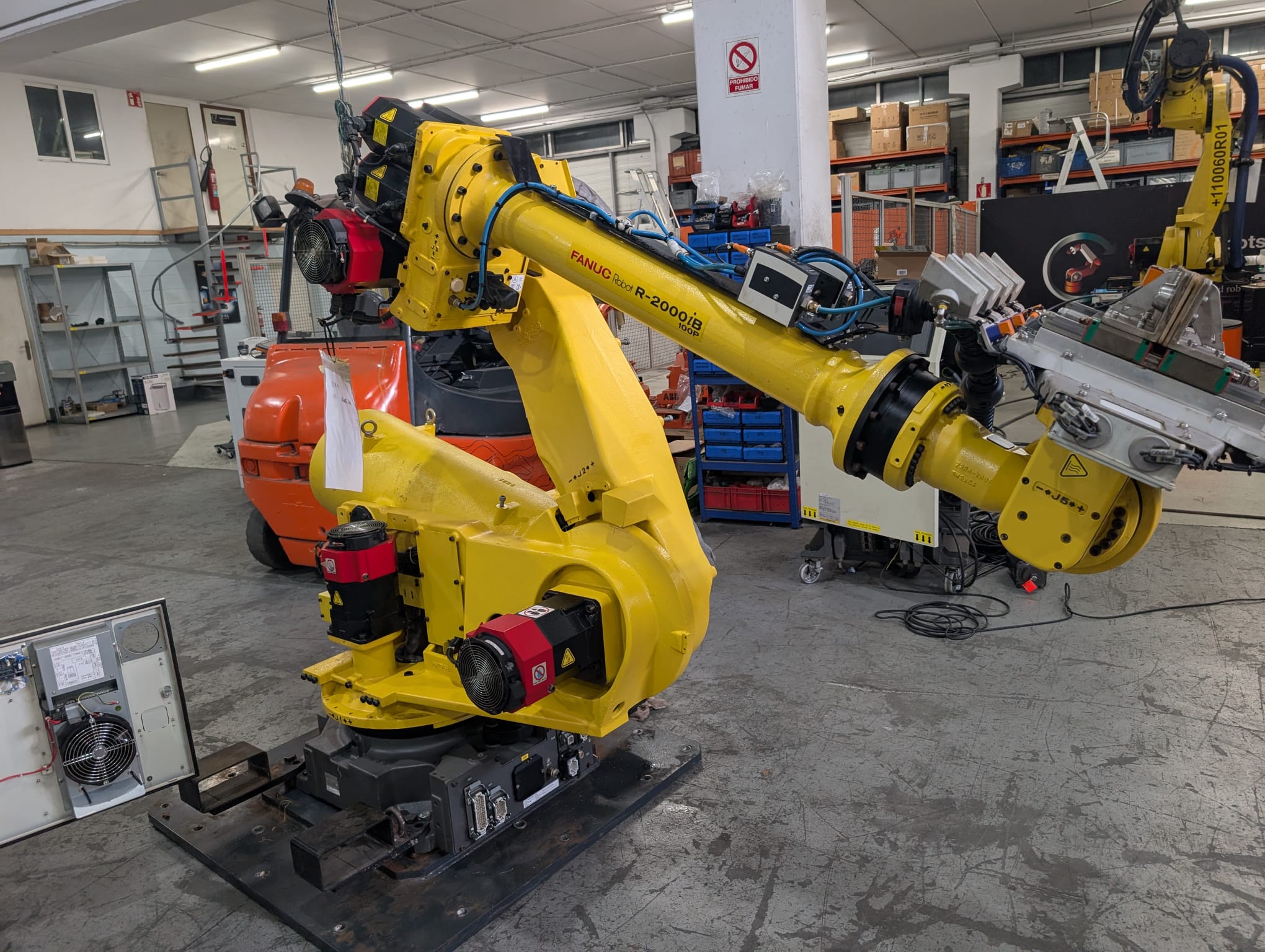
In many workshops, the same dilemma repeats itself: should you buy a new robot or modernize the one already installed? With advances in controllers, sensors, software, and mechatronics, older robots can be brought back to life effectively. The key is knowing when refurbishment makes sense— and when it’s time to replace. Why consider modernization? A
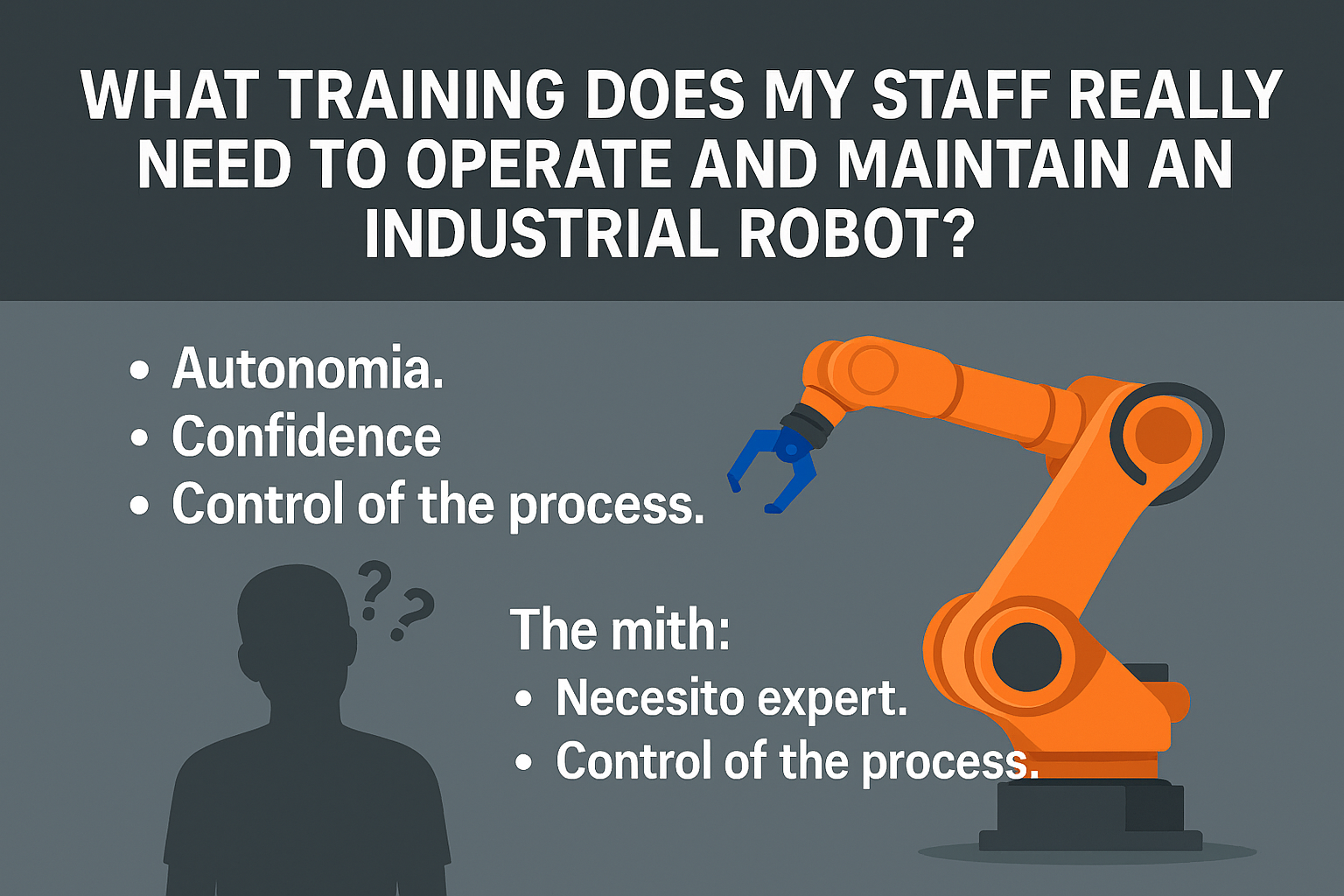
From the fear of depending on the integrator to true autonomy on the shop floor: “What if only they know how to make it work?” When an automation project is nearing its end, a silent concern often appears: “After the integrators leave, who keeps the knowledge?” It’s not a technical question. It’s a human question,
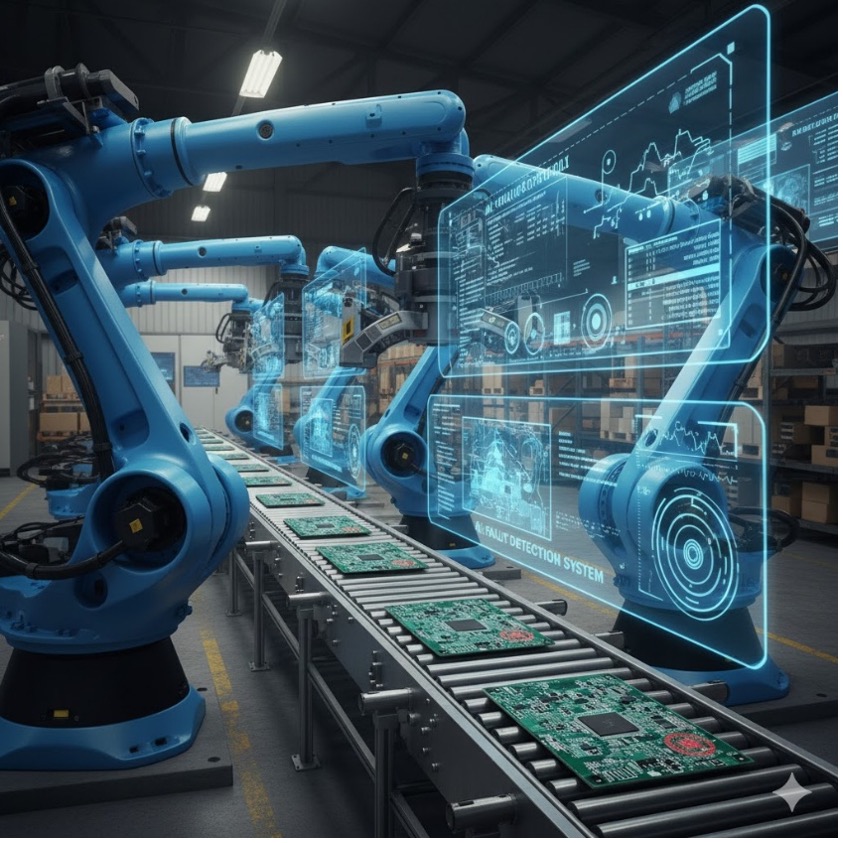
Failure detection in production has historically relied on a combination of human inspection, statistical controls, and traditional sensors. However, the increasing complexity of processes, the pressure to reduce scrap, and the need for real-time traceability have highlighted clear limits in these approaches. In this context, a frequently asked question on the shop floor is: How
It’s a question that rarely appears at the beginning of a project. It usually comes after the first success: The cell works. Cycle times are stable. Quality is consistent. And for the first time, the team trusts the system. Then someone asks: “What if we double production?” It’s not an innocent question — it’s a
There’s an awkward moment in some automation projects when no one really wants to look too closely at the first batches. The parts come out quickly. The robot never stops. Productivity indicators look great. And yet… something feels off. The defect that used to appear sporadically now shows up with impeccable regularity. There’s no debate:
In the robotics industry, the Motoman MH24 is a six-axis articulated robot designed for high-speed tasks such as material handling, general operations, and other precision applications. While it is not a welding-specific robot like some models in Yaskawa’s AR series, its combination of speed, rigidity, and path accuracy makes it a viable option for welding
At the heart of many automated factories, a group of robots works tirelessly for hundreds of hours on end. But what happens if one of these machines fails unexpectedly? An unplanned stoppage can cost thousands of euros per hour, result in lost orders and delayed deliveries. This is where predictive maintenance steps in: instead of
Industrial robots, like any machinery, require regular maintenance. But the key question is: do we act before a failure occurs or after it? Predictive maintenance redefines efficiency by anticipating breakdowns and optimising resources. Corrective: The Traditional Model Corrective maintenance takes place after a failure: when a servomotor stops, an axis loses calibration or a controller