When Does Robotic Blasting Improve the Process Instead of Adding Complexity?
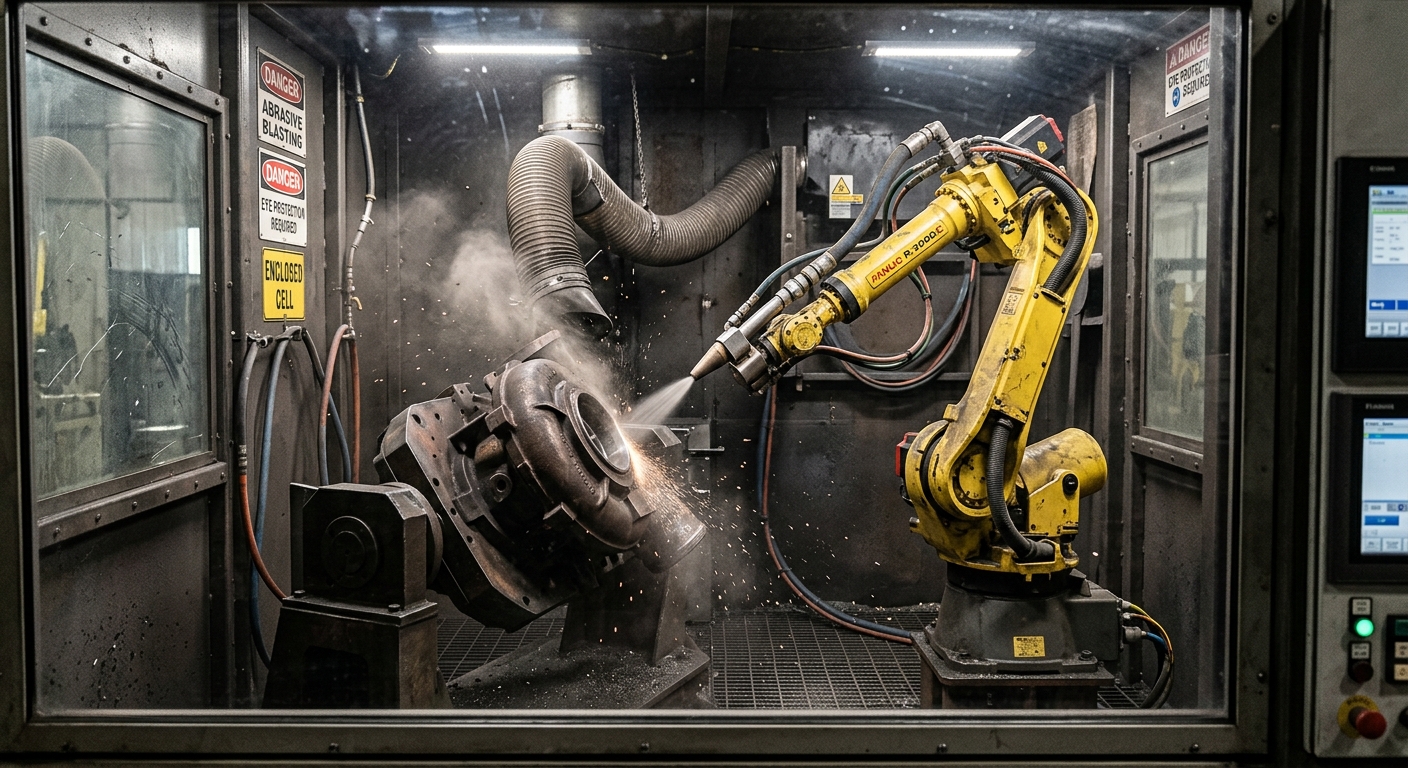
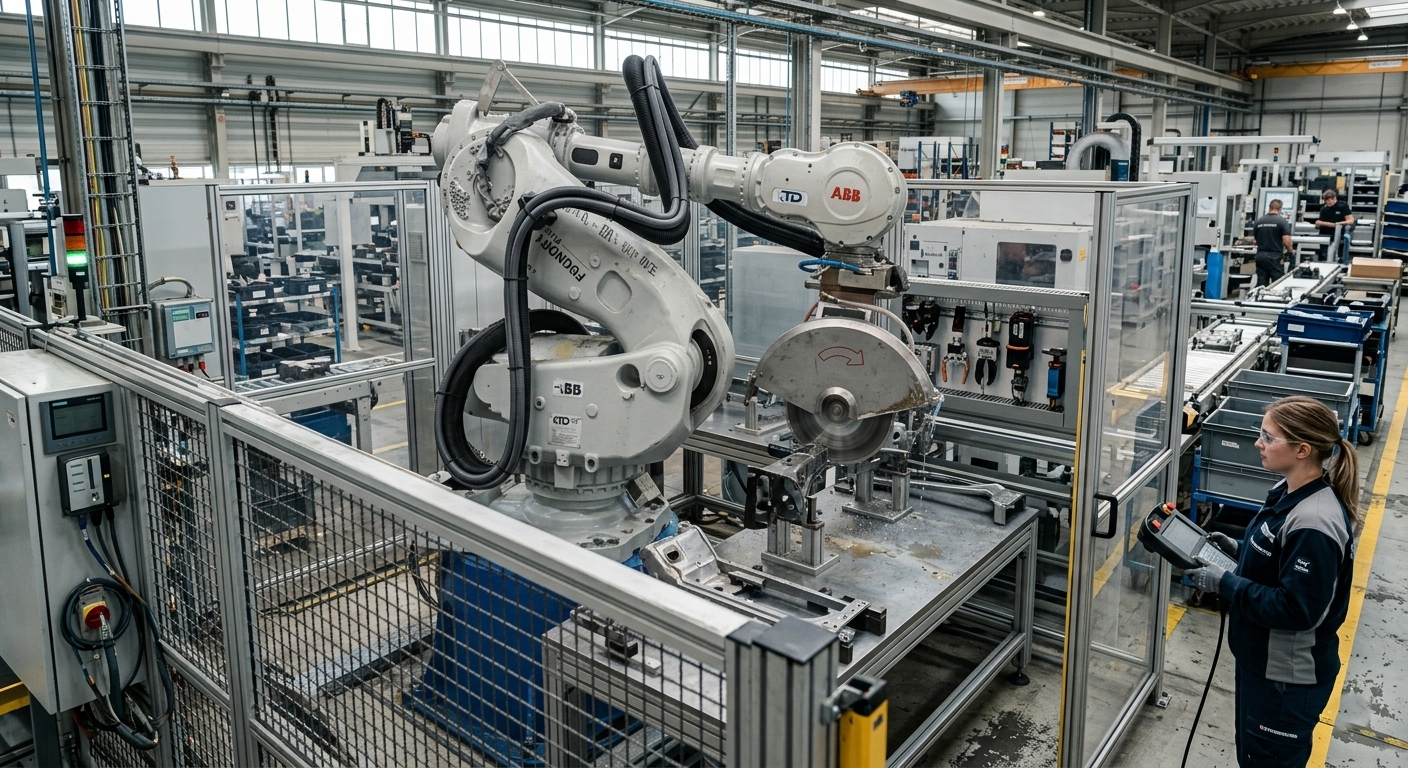
Industrial robot directing abrasive blasting at a metal component inside an enclosed production cell

A robotic sandblasting project can remove repetitive manual nozzle work, but robot motion alone does not control the surface result. Part location, abrasive delivery, nozzle condition, access, and incoming surface variation still affect the process. A robot can repeat the same path while the finished parts continue to vary. This creates the main decision for … Read more
Payload Is Not Enough: Why Robot Wrist Inertia Can Change Your Buying Decision

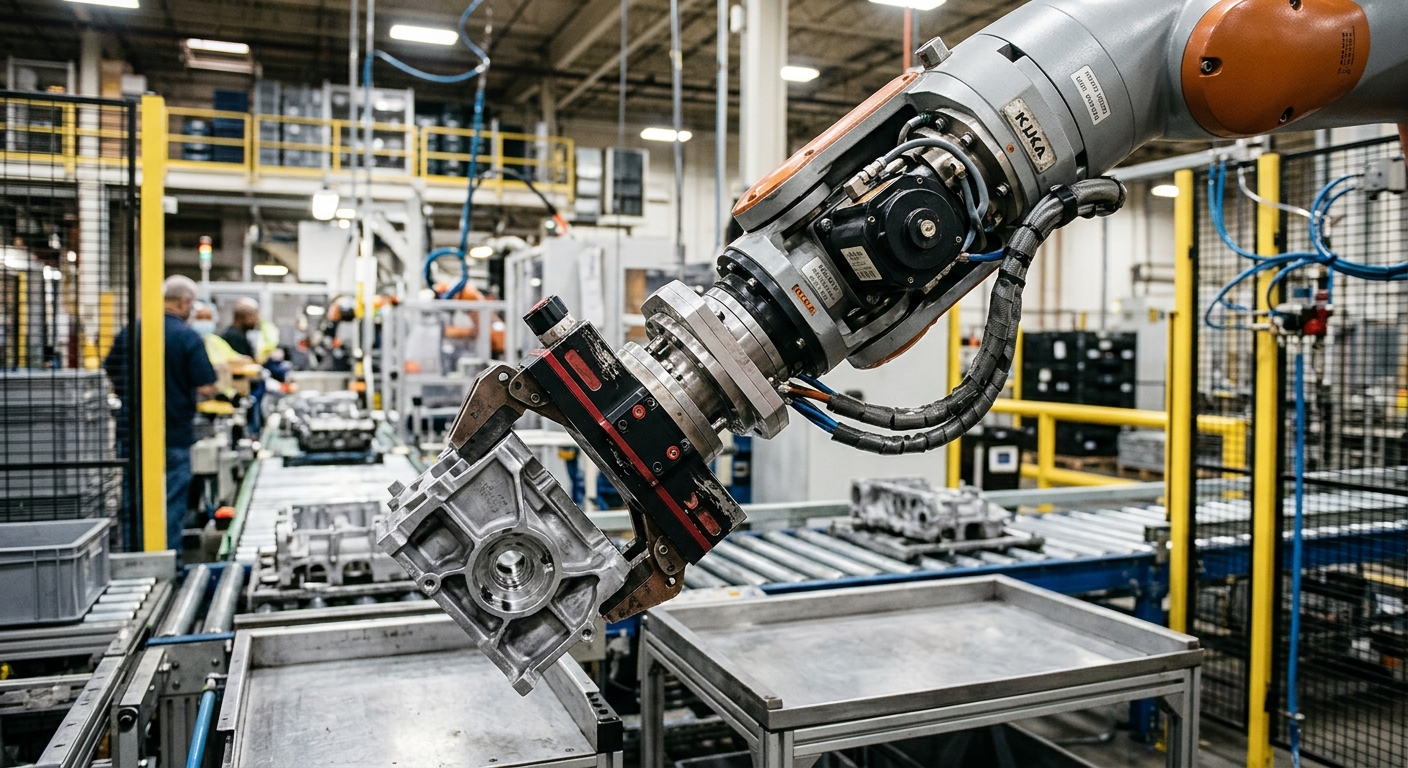
Industrial robot wrist carrying an offset gripper and workpiece during a material handling cycle

Why Payload Alone Can Lead to the Wrong Robot A robot can appear to have enough payload for an application and still be the wrong choice. Robot wrist inertia is one reason: the wrist must control not only how much mass it carries but also how that mass is distributed around the wrist while the … Read more

Choosing a Factory Robot Without Creating Integration Risk

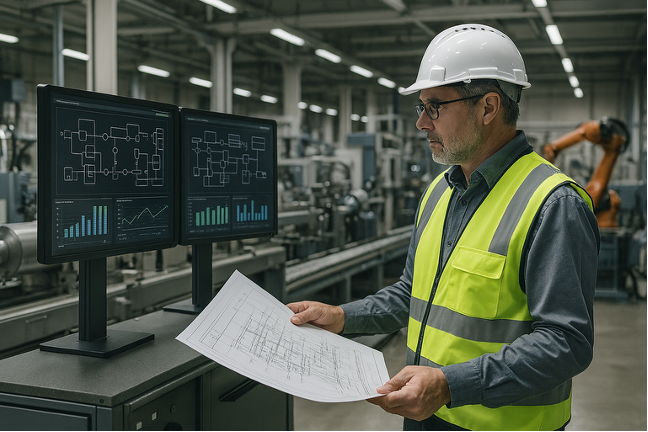
Factory team evaluating an industrial robot for production automation

Why Robot Selection Starts Before the Robot Model Choosing the right robot for factory automation is not mainly a question of brand, payload, or price. The real decision is whether the robot, tooling, process, layout, safety system, controller, and internal support capability can work together in production without creating new bottlenecks. A robot that looks … Read more

The Hidden Costs of Industrial Automation That Can Undermine ROI

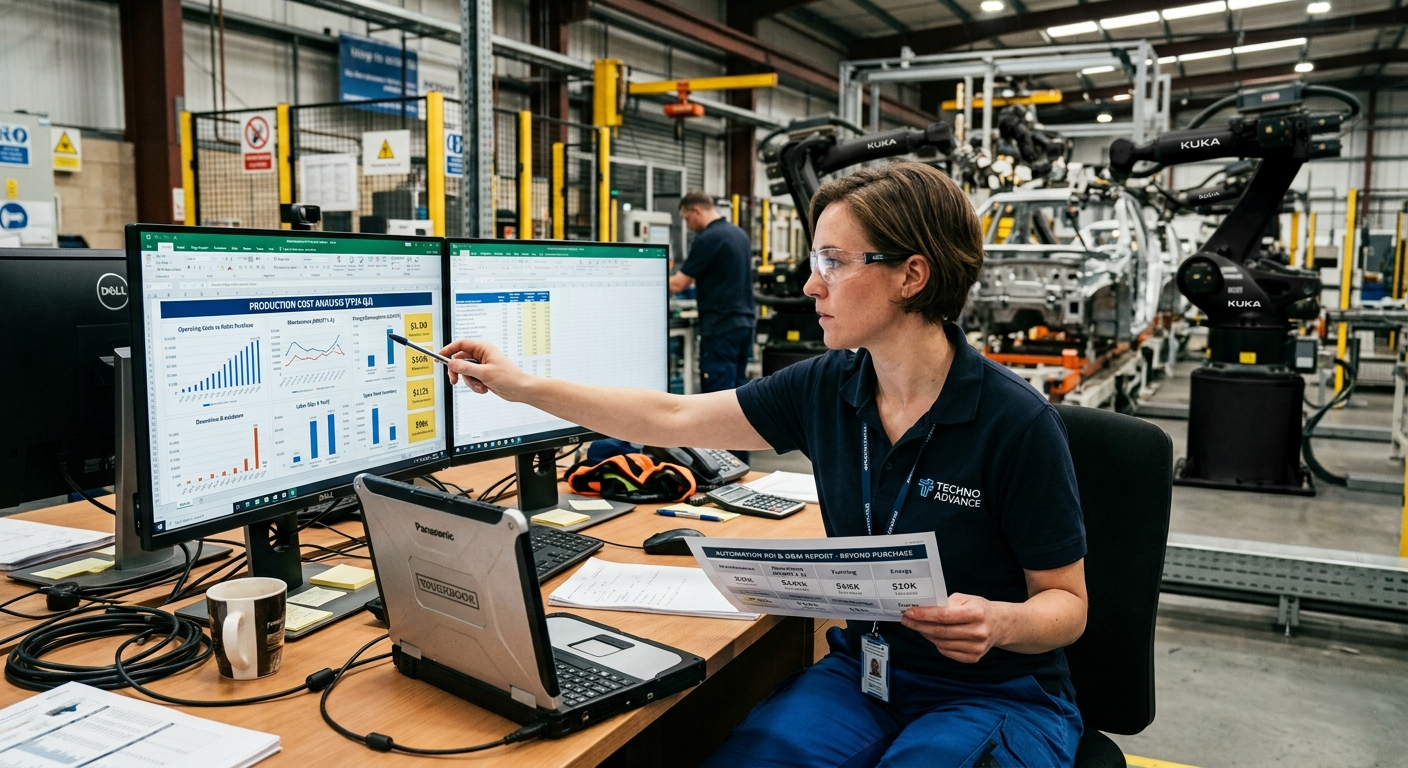
Automation engineer reviewing production costs beyond industrial robot purchase price

The Purchase Price Is Rarely the Largest Financial Risk Companies often spend considerable time negotiating the price of an industrial robot while paying much less attention to the costs that appear after the purchase order is signed. The hidden automation costs that emerge during integration, commissioning, production ramp-up, and long-term operation frequently have a greater … Read more

When Does an Industrial Robot Really Pay for Itself? A Practical ROI Calculator for Manufacturing Decisions

Production manager reviewing industrial robot ROI calculations and manufacturing performance metrics

Why a Robot Rarely Pays for Itself in the Way Buyers Expect The question is not whether an industrial robot will eventually recover its cost. The more important question is which production variables actually generate the return. A purchase price alone tells very little about the financial outcome if downtime, integration effort, scrap, maintenance capability, … Read more

Where Refurbished Industrial Robots Create the Greatest Operational Value in Manufacturing

Refurbished industrial robot operating in a modern manufacturing production cell

The question is not whether refurbished industrial robots can reduce investment costs. The more important decision is whether the production process, integration requirements, and long-term support strategy allow a refurbished system to perform reliably in day-to-day manufacturing. In many factories, the greatest value comes not from buying the newest equipment, but from matching the right … Read more

Collaborative Robot vs Industrial Robot: Which One Makes Sense?

Choosing between a collaborative robot (cobot) and a traditional industrial robot is one of the most common—and most misunderstood—decisions in modern automation. A cobot is typically the right choice when the application requires flexibility, close interaction with operators, limited available space, simple programming, and moderate payloads. A traditional industrial robot is usually the better option … Read more

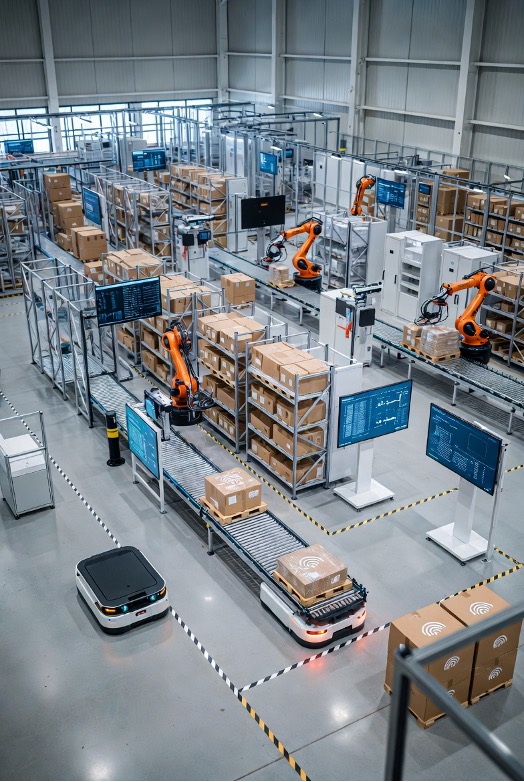
What logistics considerations should be taken into account when automating material handling processes with robots?

Automating material handling with robots requires more than simply selecting the right robot. It also involves organizing how materials are transported, stored, moved, and managed throughout your factory or logistics center. Material handling covers everything from the arrival of raw materials to internal material flow and the outbound shipment of finished products. Poorly designed automation … Read more

Which process should you robotize first to achieve the fastest ROI

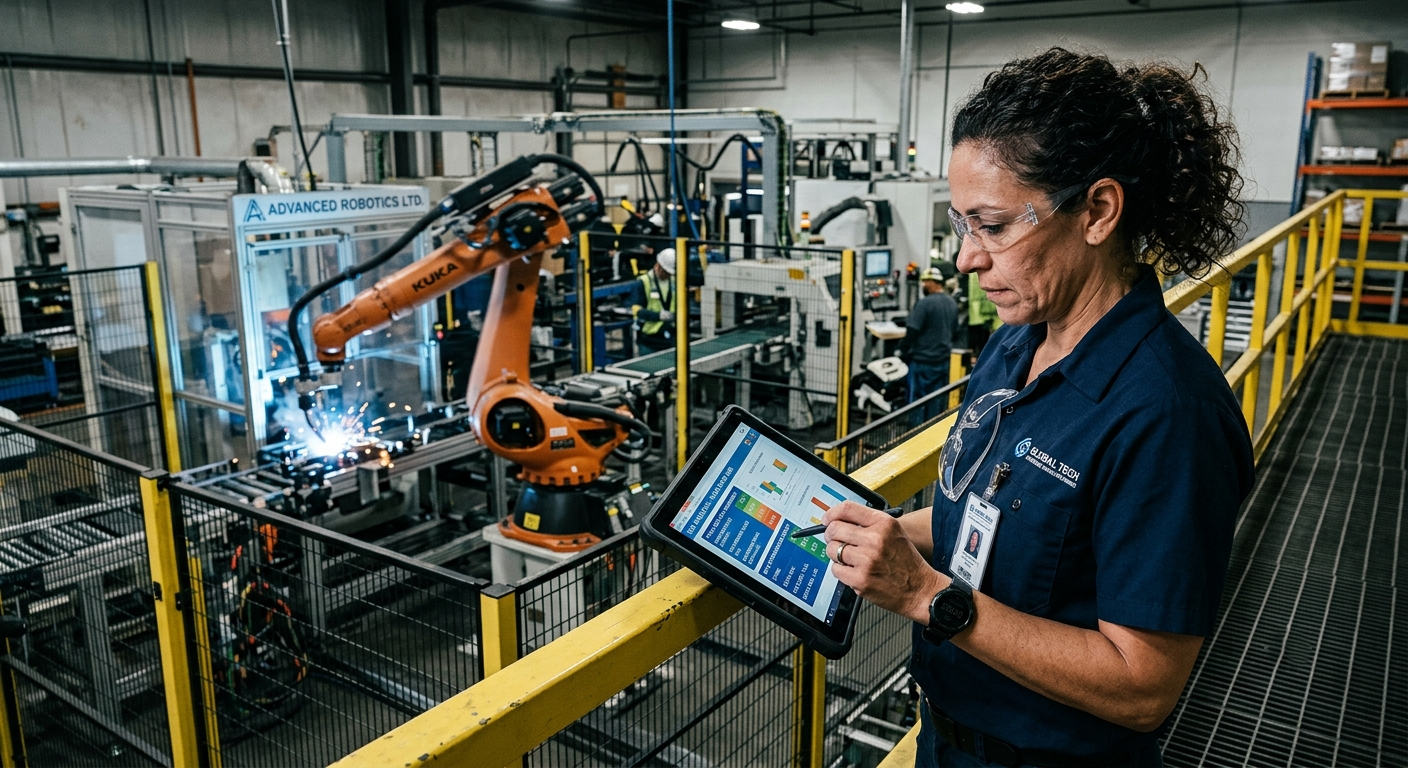
Production manager evaluating industrial automation process selection on a manufacturing floor

Choosing the first process to robotize in a manufacturing plant is one of the most consequential automation decisions a company makes — not because the first project is the largest, but because it sets the internal reference point for every project that follows. A first project that delivers clear, measurable results builds the organizational confidence … Read more

End of line: when to automate and when a semi-manual solution makes more sense

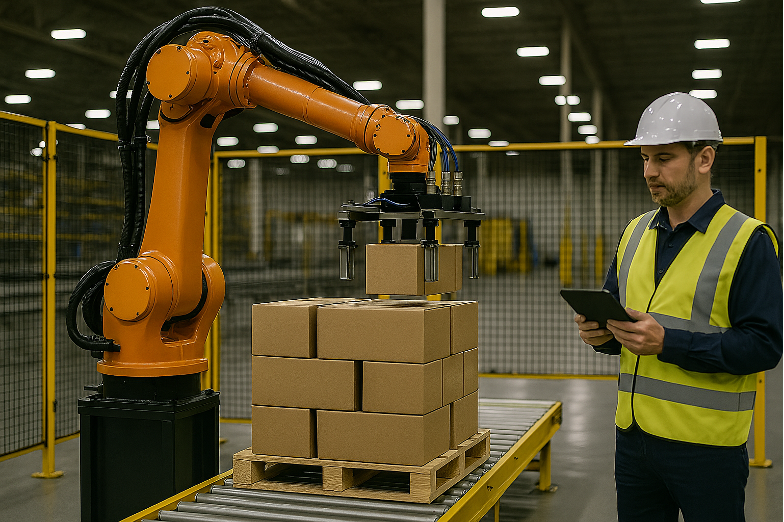
Robotic palletizing cell at the end of a production line in a food and beverage manufacturing facility

End of line automation is where most manufacturing plants first encounter a decision that is harder than it looks. The problem is visible — operators handling heavy loads repetitively, inconsistent pallet patterns, throughput that drops every time a format changes or a shift ends. The solution appears obvious: install a robot. But the companies that … Read more