
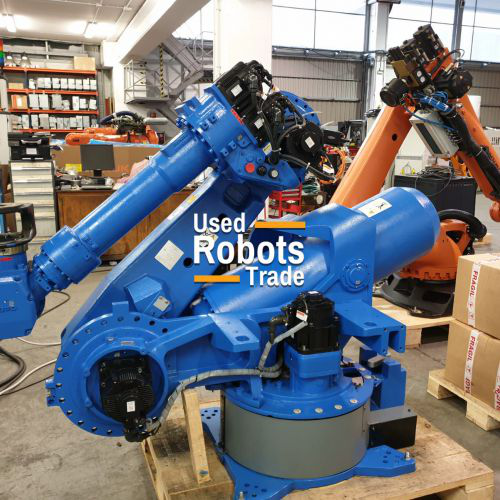
For years, the automotive manufacturing industry has been known for its use of robotics in manufacturing. Ever since the introduction of the very first robots in the early 50’s, there’s a lot that has changed. The US automotive industry saw a boom in 2010 and experienced an increase in manufacturing. The US is also third when it comes to robot density (robot per 1,000 employees), outranked by only Japan and Korea.
 admin
admin
The Impact Of Automation On The Food Industry
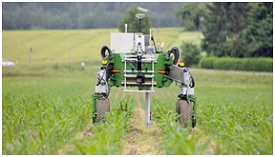
One of the sectors that has managed to take advantage of the benefits of robotic automation is the food and beverage industry, finding an alternative that provides a high level of productivity, adaptability, stability and functionality.
Industrial Markets With The Highest Density Of Robots
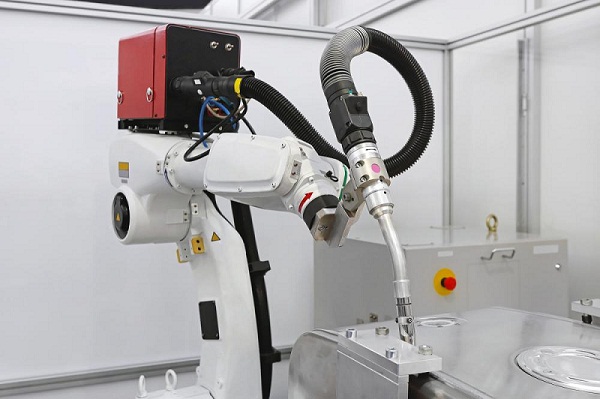
The robotics market has been in high demand in recent years, offering easy, cost-effective solutions with a minimum amount of failures. Of course, the benefits of new technologies have allowed for lower prices and a quick return on investment (ROI). These factors have driven the rapid growth and adoption of robotic systems, allowing small and medium-sized enterprises to acquire them and thus improve their productivity.
Growth Of The Collaborative Robots (Cobots) Market
Collaborative robots have existed since 1990, and since then there have been many great technological advances that have influenced the growth and improvements of these cobots, which now include advanced sensors, software, EOAT, cameras and artificial intelligence, plug and play, and CAD data (for automatic programming) that help them to detect and adapt quickly and easily to any type of situation in their work area, generating effective automation.
Growth Of Agricultural Automation
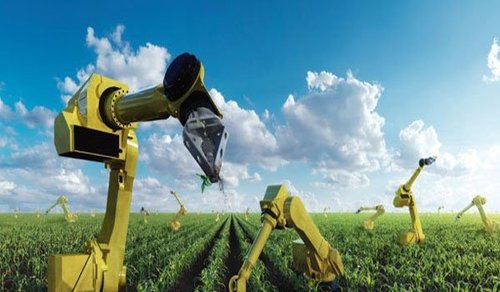
The characteristics of a robotic system in the agricultural sector include its contribution to labor power, the high index of savings and an increase in the yield of crops based on data collection and analysis, automating hard manual tasks.
How Small Businesses Can Benefit From Refurbished Robots
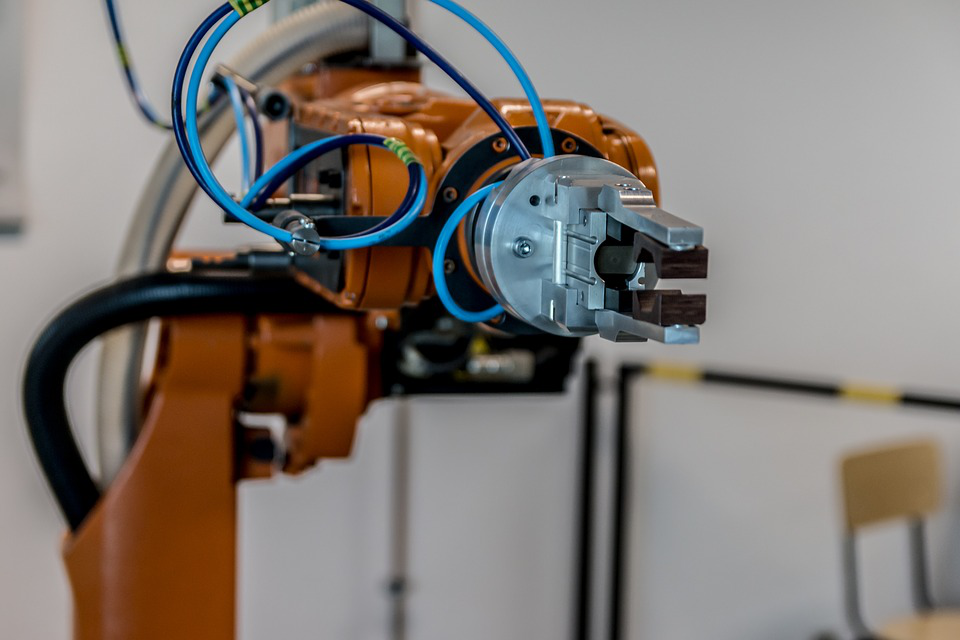
While many of the robot consumers are the manufacturers of electronics, automotive, and consumer goods, small businesses are gradually becoming an important segment of this market as well.
Owning Refurbished Robots Benefits for Your Business – Infographic
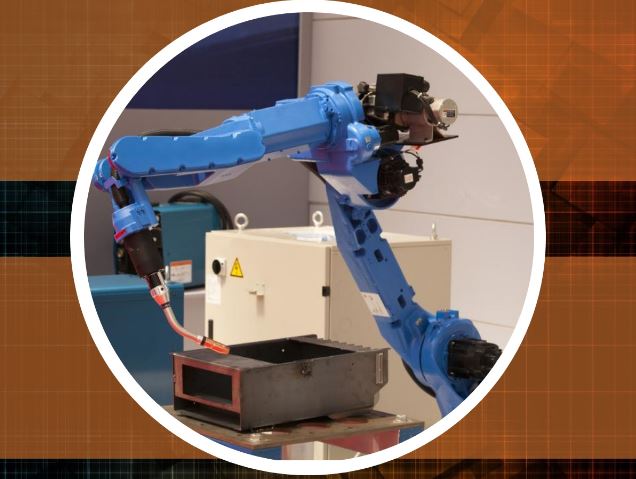
Robots have redefined the way modern industries work. Many industries are automating their processes to avail the various benefits.
3 Benefits Of Your Business Owning A Refurbished Robot
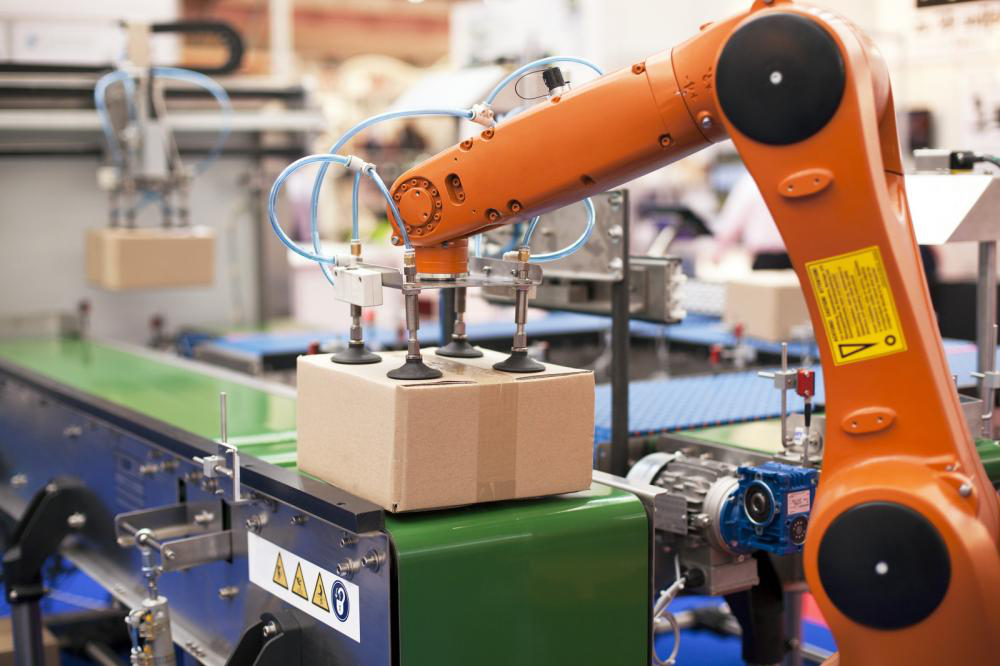
Robots have redefined the way modern industries work. More and more industries are automating their processes to avail the benefits. Spain—with a robot density of 160 units per 10,000 employees— for example, benefits from industrial robots in its manufacturing industry, according to the International Federation of Robotics.
ROBOTS WITH THE TECHNOLOGY OF THE FUTURE
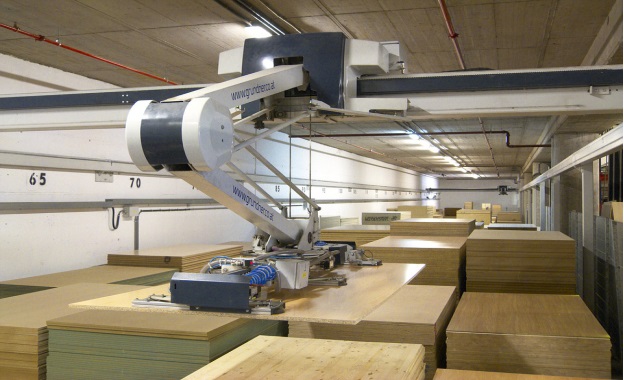
Due to rapid technological developments, we have witnessed the most significant advances in engineering in robotics technology for the productive industrial sector. Industrial robots have shown us a simpler way of automating production lines with greater precision and speed in the product process, managing to increase production with greater quality.
Advantages Of Robotic Welding Over Manual – Infographic
Welding is a process through which two pieces of metal are joined together. The metals are heated to melt and fuse together while cooling down. Are you looking to automate procedures and gain from the benefits of using robotic welding?
Get used robots at competitive prices from: Used Robots Trade