WHICH ROBOT TO CHOOSE IF YOUR LINE HANDLES MULTIPLE PACKAGING FORMATS

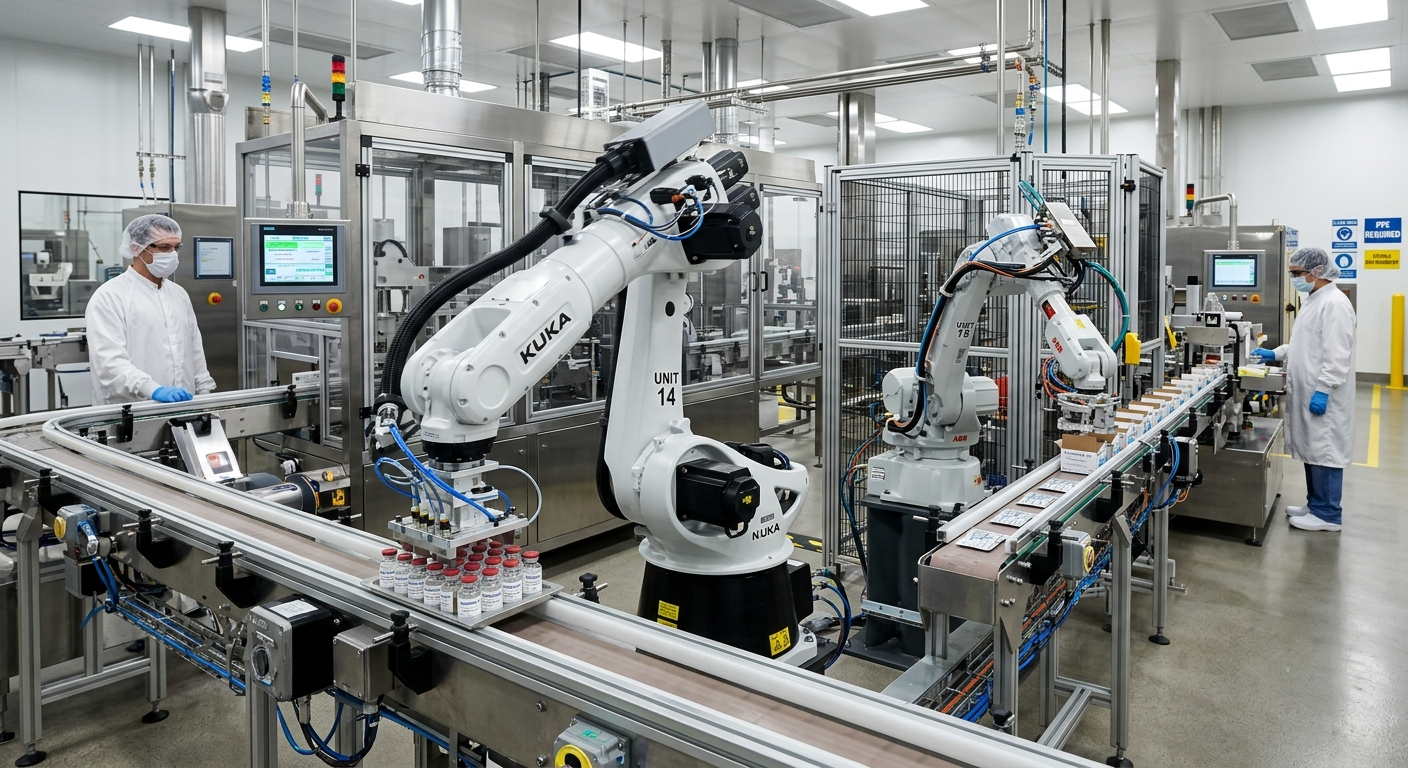
Yes, it is absolutely possible to successfully automate a line that handles a wide variety of packaging formats — but there is no single robot that can solve every situation on its own. The right choice depends on: available space product fragility geometry and weight frequency and complexity of format changeovers When these criteria are … Read more

HOW TO KNOW IF A ROBOT FITS YOUR PLASTIC INJECTION MOLDING PROCESS

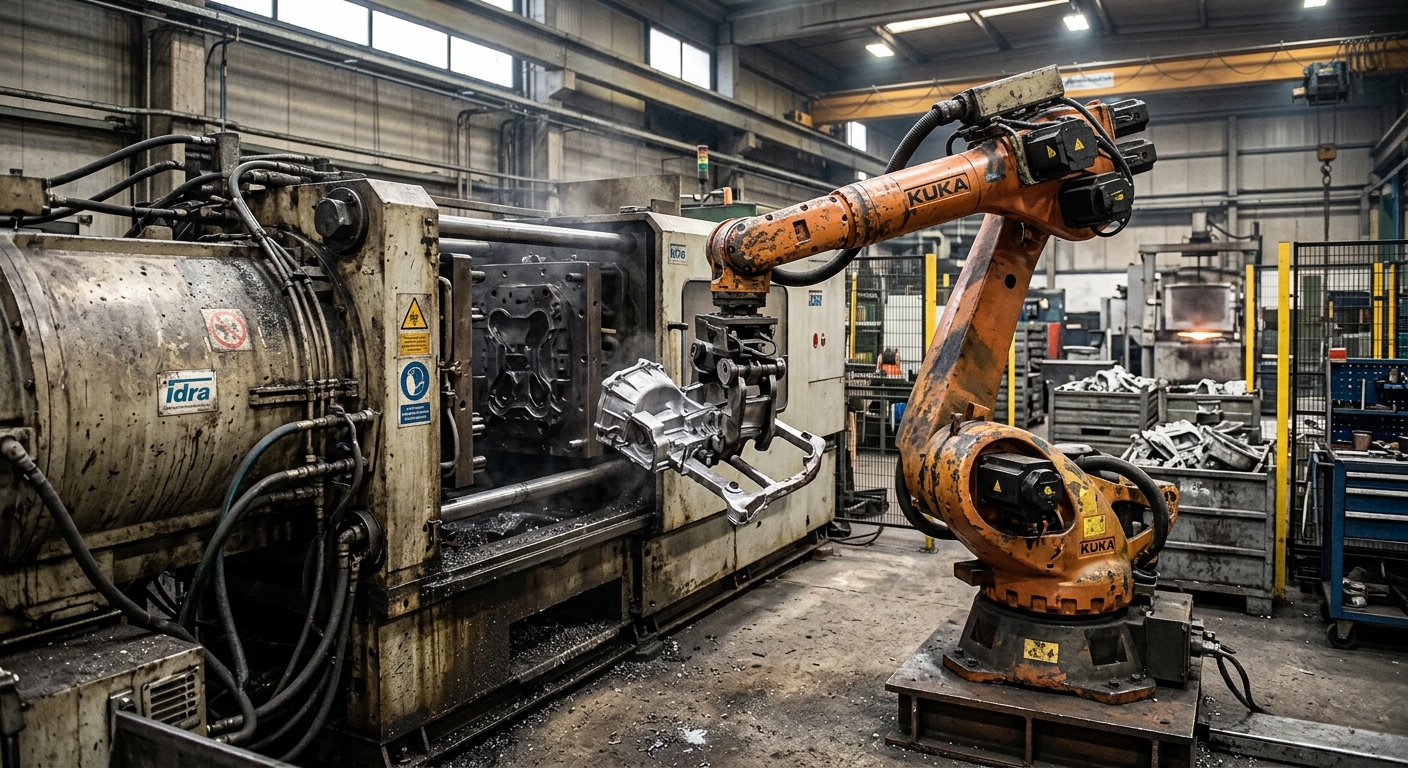
A robot can bring significant value to plastic injection molding — but not in every process, and not in the same way. For automation to be truly profitable, it is essential to verify that cycle time, mold stability, post‑processing requirements, and part logistics actually justify the use of a robot. When this analysis is done … Read more

HOW TO ROBOTIZE CNC MACHINE LOADING AND UNLOADING WITHOUT CREATING BOTTLENECKS

Yes, CNC machine loading and unloading can be robotized without creating bottlenecks — but only if the project is designed around the real machining rhythm. The robot must adapt to the machine cycle time, part presentation, and auxiliary operations — not the other way around. When synchronization is done correctly, the cell gains productive hours, … Read more

How to Calculate the Real ROI When Replacing a CNC Machine with a Robot + Spindle

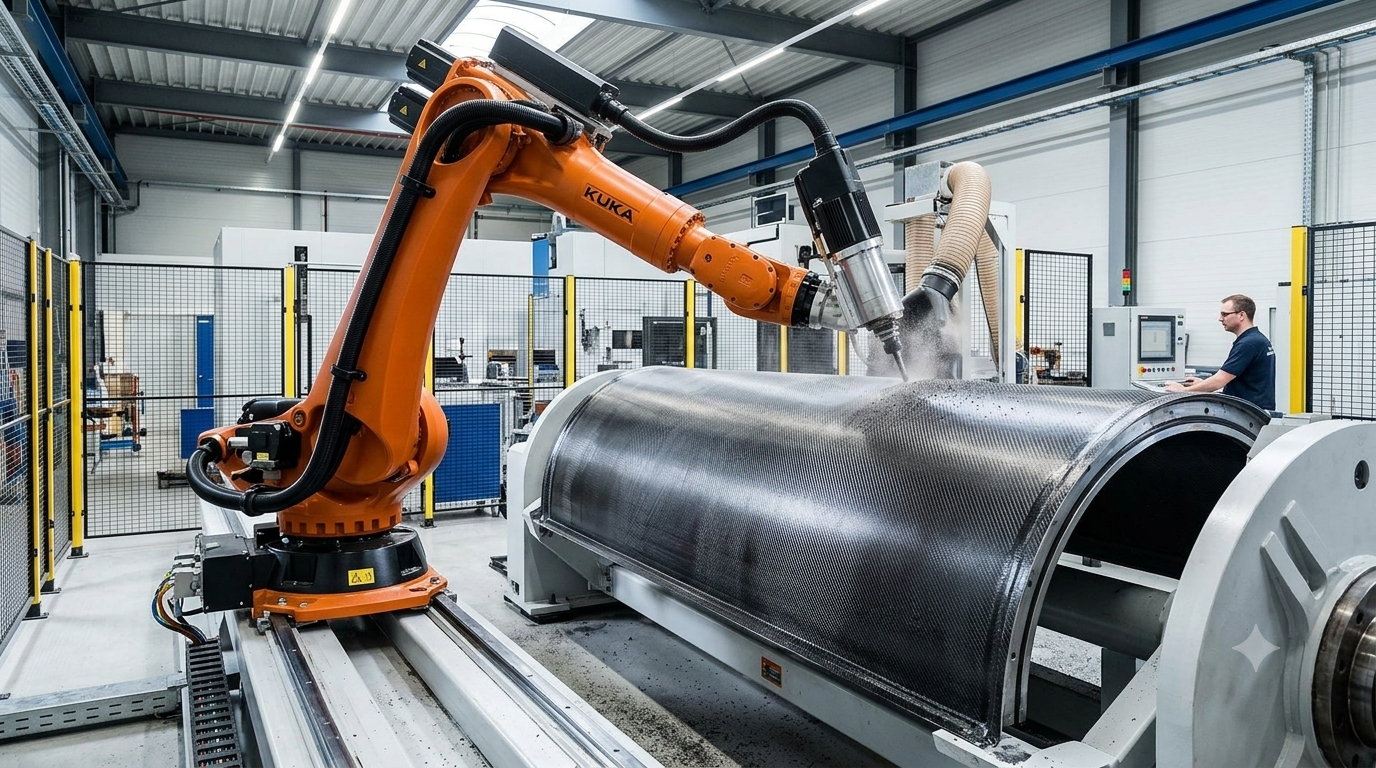
For years, CNC machinery has been the benchmark for precision in industrial machining. However, the evolution of robotics — especially refurbished robots equipped with high‑performance spindles — is reshaping the landscape. More and more factories are now asking themselves: Is it really worth replacing a CNC with a robotic milling cell? The answer depends on … Read more

WHAT REAL-WORLD WELDING PROBLEMS CAN BE SOLVED WITH ROBOTIC AUTOMATION?

In industrial welding, the most expensive problems rarely come from the welding process itself but from its variability: differences between operators, inconsistent travel speed, positioning errors, or human fatigue. Robotic automation—especially in MIG/MAG and TIG welding—is widely used across the world to eliminate recurring failures that affect quality, production time, and cost per part. This … Read more

INDUSTRIAL ROBOTS VS. TRADITIONAL PALLETIZING SYSTEMS

Palletizing is one of the most critical stages at the end of the production line. Although it is often perceived as a simple process, in practice it involves occupational risks, production bottlenecks, and hidden operational costs. For many years this process has been handled using traditional systems: manual palletizing, semi‑automatic solutions, or low‑flexibility dedicated machines. … Read more

WHAT HAPPENS IF WE NEED SPARE PARTS OR EMERGENCY SUPPORT IN A ROBOTIC WELDING CELL?

When working with robotic welding systems, one of the most important questions that often arises is what happens when we need spare parts or urgent assistance. In industrial environments, a robotic system is only truly reliable if it can remain operational even when a component fails, wears out, or an unexpected stoppage occurs. For this … Read more

THE 5 SIGNS THAT YOUR MIG/MAG WELDING IS READY FOR AUTOMATION

MIG/MAG welding is one of the most widely used manufacturing processes, but when performed manually it often leads to significant variation. Deciding to automate is not just about bringing new technology into the factory – it’s about determining whether your process is technically and operationally ready for a robot to deliver real, tangible improvements. There … Read more

MOTOMAN MH24-10 “HIGH SPEED”: AN EFFICIENT ALTERNATIVE FOR AUTOMATED WELDING

In the robotics industry, the Motoman MH24 is a six-axis articulated robot designed for high-speed tasks such as material handling, general operations, and other precision applications. While it is not a welding-specific robot like some models in Yaskawa’s AR series, its combination of speed, rigidity, and path accuracy makes it a viable option for welding … Read more