What KUKA Case Studies Really Show About Automation ROI

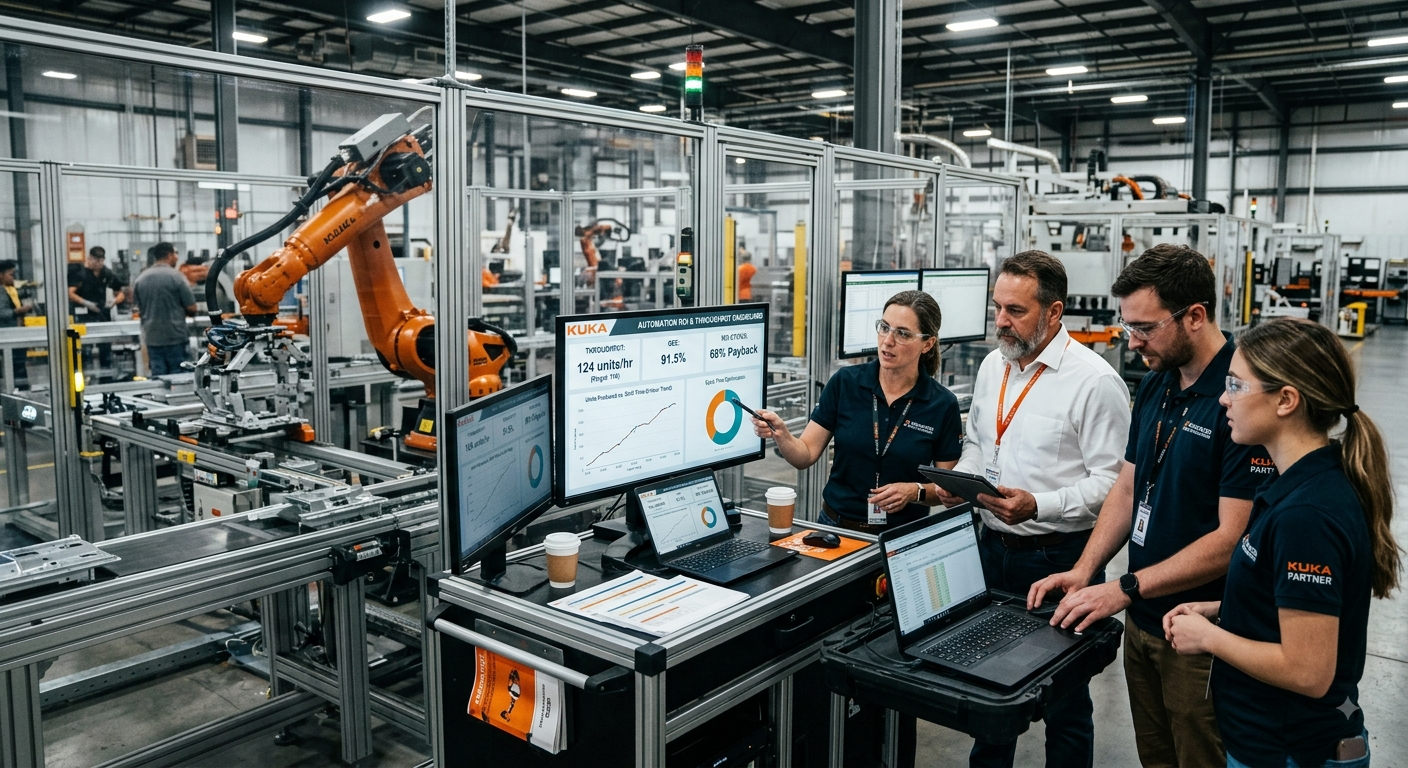
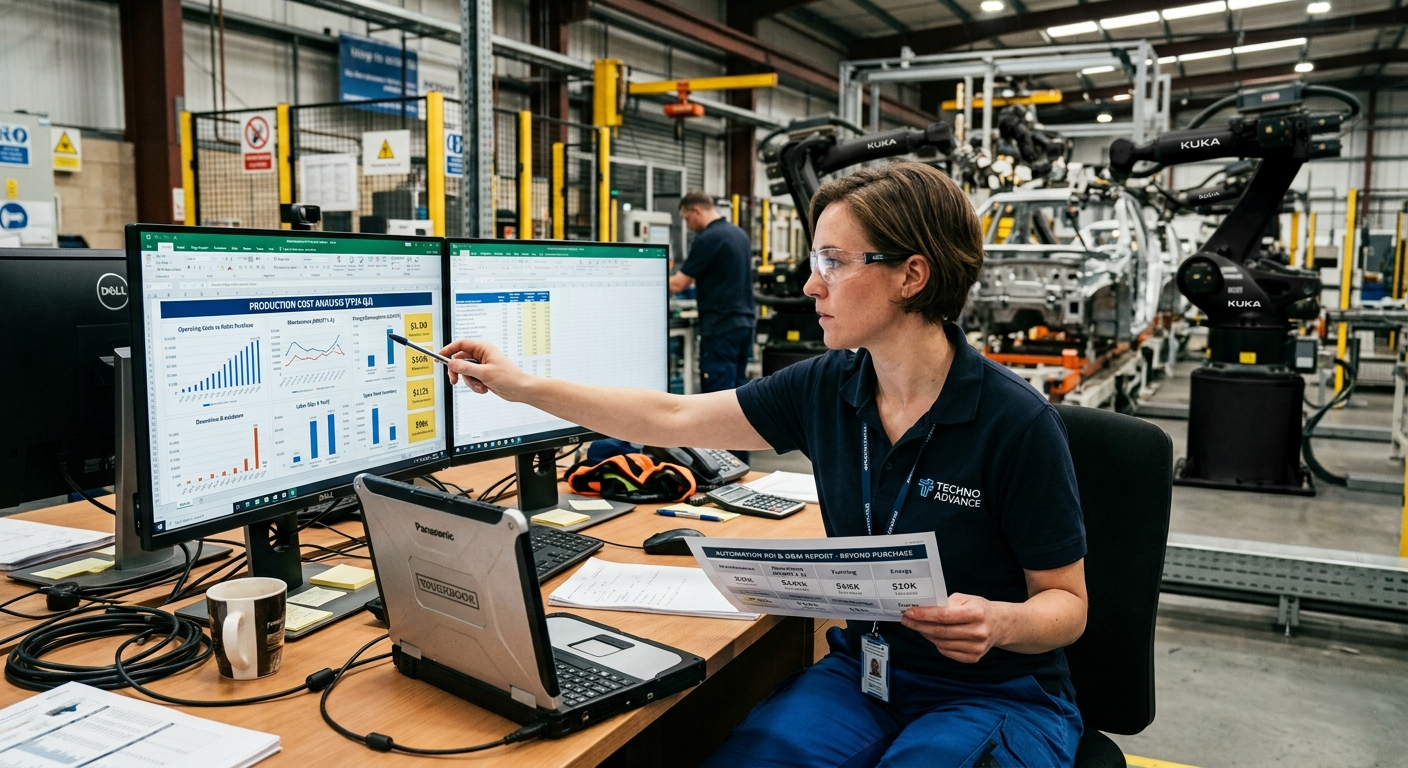
Production team reviewing throughput and ROI data from a KUKA robotic automation project

A convincing robotic automation ROI case does not start with the robot. It starts with the production constraint that existed before automation and a measurable result after commissioning. Without that baseline, a percentage improvement may sound impressive but tell a plant manager very little about whether the same investment would work in another factory. Official … Read more

Why Automation Projects Can Lose Performance After a Successful Commissioning

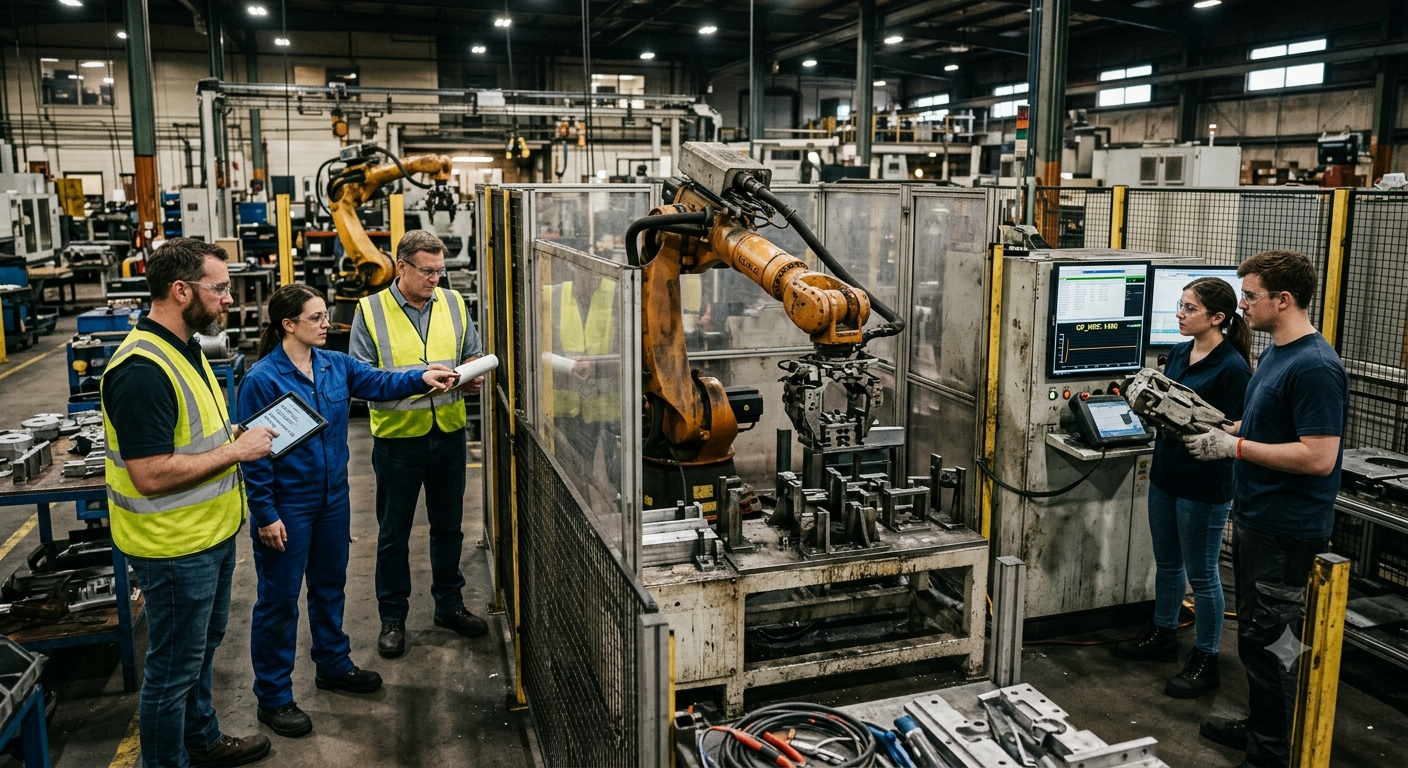
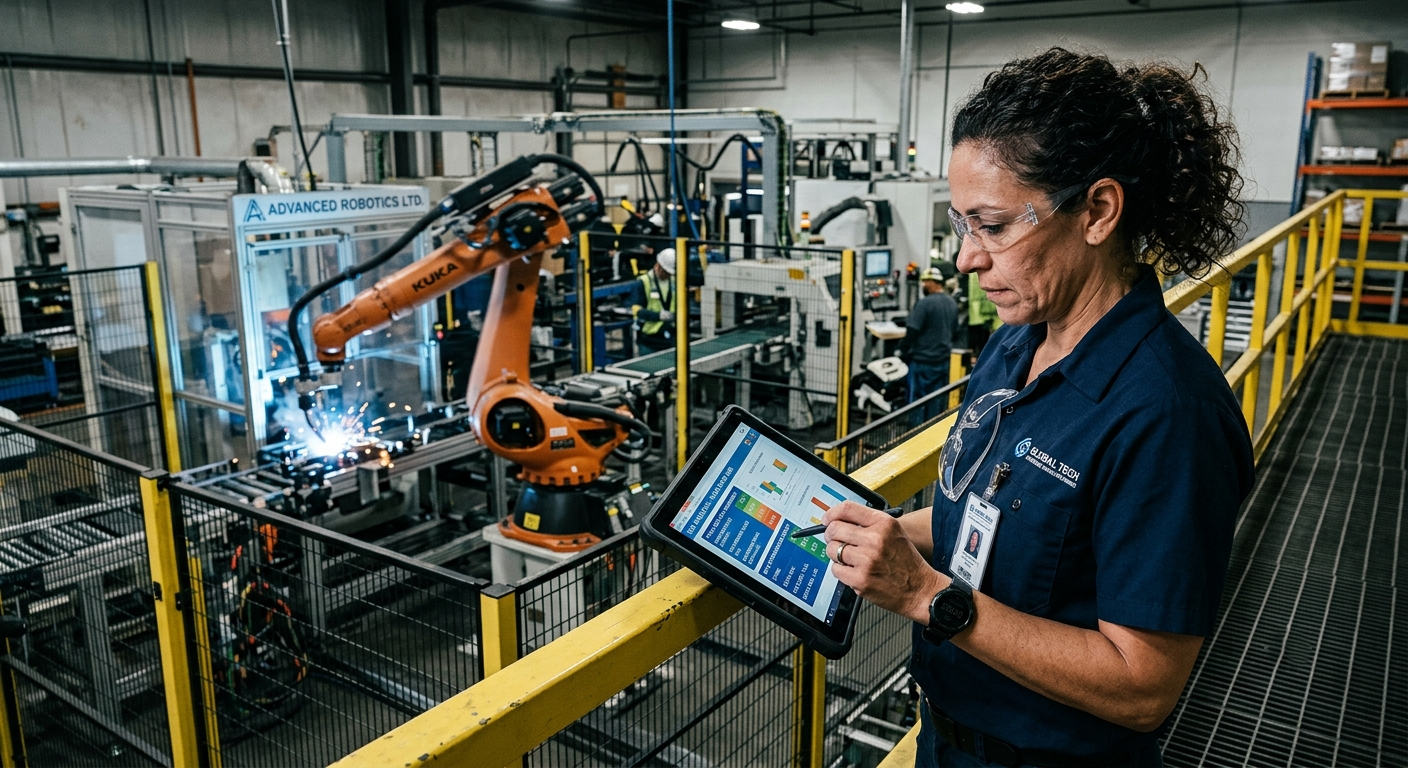
Production team reviewing a robotic automation cell after extended operation

Automation project performance depends on much more than a successful commissioning. A robotic cell can pass acceptance testing and reach the expected cycle. Yet the plant must still maintain the process, recover from faults, manage changes, and preserve technical knowledge over time. Problems can appear when those conditions change. Parts may arrive differently. Tooling may … Read more

When Small Factory Automation Delivers ROI on a Limited Budget

Small manufacturing facility evaluating an industrial robot for a budget-conscious automation project

Why Budget Is Rarely the Biggest Constraint The biggest obstacle to small factory automation is often assumed to be budget. In reality, many automation projects fail because companies try to automate the wrong process first. A limited budget makes process selection even more important, because there is little room for expensive redesigns, unexpected integration work, … Read more

From One Robot to a Fully Automated Plant: When Should You Scale?

Why Scaling Automation Is a Different Decision Than Buying the First Robot The success of a company’s first robotic cell often creates pressure to automate everything else. That enthusiasm is understandable, but scaling robotic automation is not simply a matter of purchasing additional robots. The conditions that made the first project successful may not exist … Read more

The Hidden Costs of Industrial Automation That Can Undermine ROI

Automation engineer reviewing production costs beyond industrial robot purchase price

The Purchase Price Is Rarely the Largest Financial Risk Companies often spend considerable time negotiating the price of an industrial robot while paying much less attention to the costs that appear after the purchase order is signed. The hidden automation costs that emerge during integration, commissioning, production ramp-up, and long-term operation frequently have a greater … Read more

When Does an Industrial Robot Really Pay for Itself? A Practical ROI Calculator for Manufacturing Decisions

Production manager reviewing industrial robot ROI calculations and manufacturing performance metrics

Why a Robot Rarely Pays for Itself in the Way Buyers Expect The question is not whether an industrial robot will eventually recover its cost. The more important question is which production variables actually generate the return. A purchase price alone tells very little about the financial outcome if downtime, integration effort, scrap, maintenance capability, … Read more

Why the Robot Quote Is Not Your Final Automation Budget

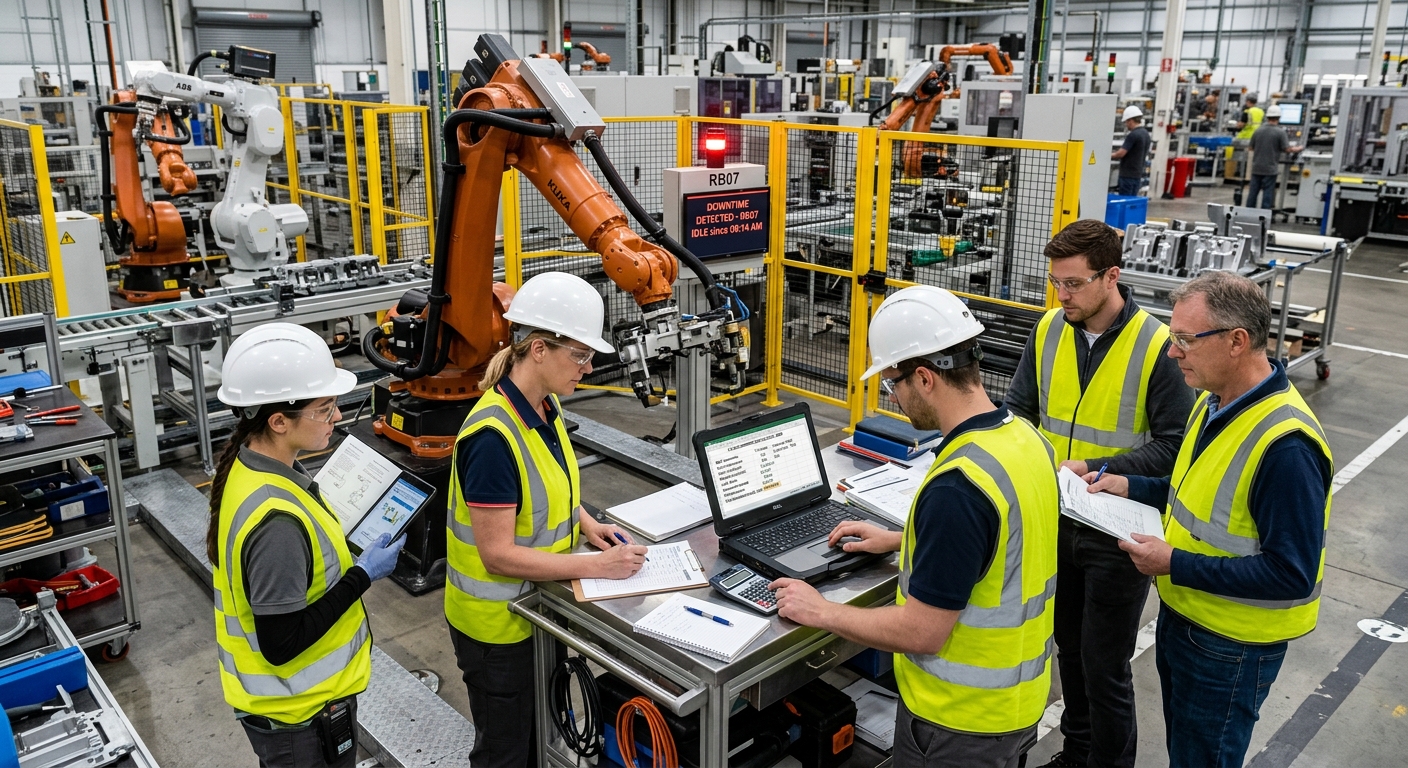
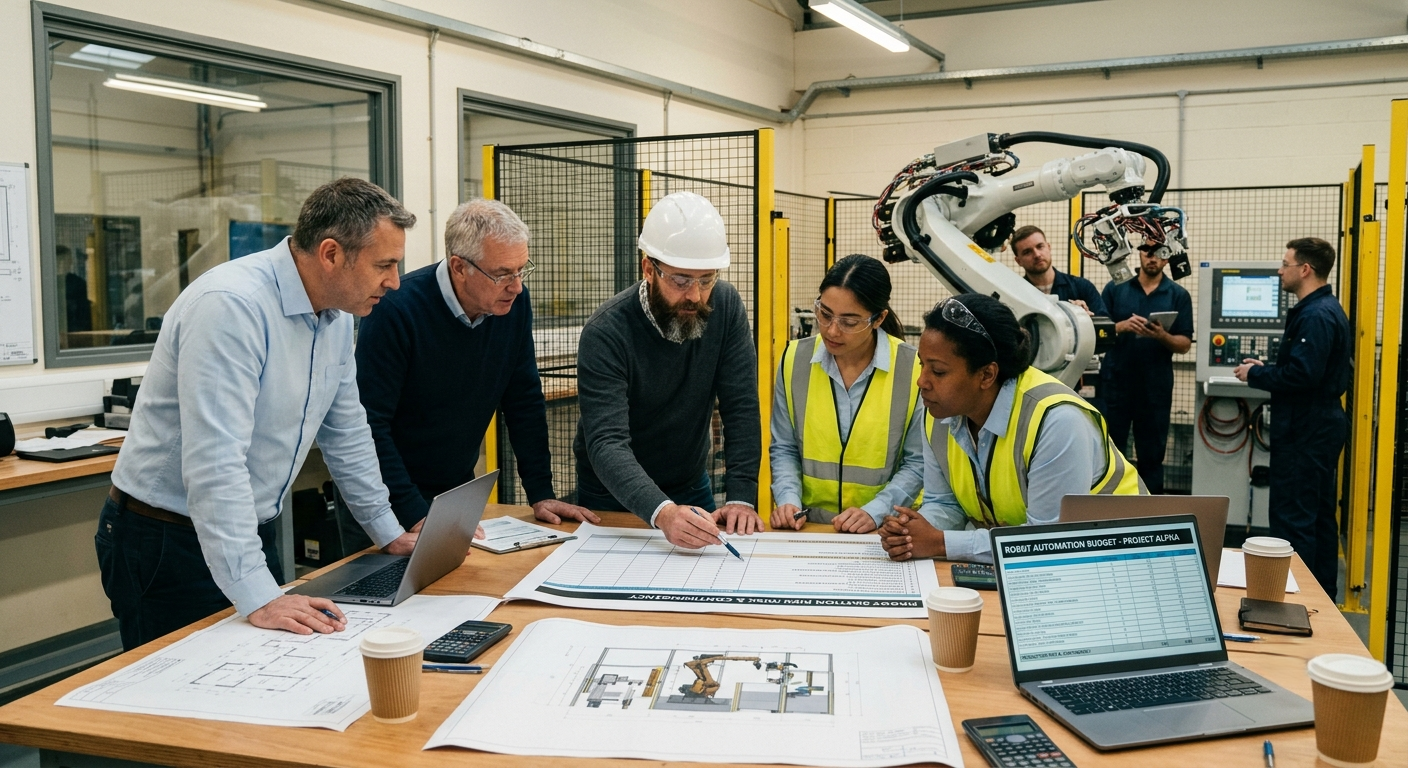
Engineering team reviewing a robot automation budget for an industrial cell

Why the Initial Robot Price Can Mislead the Investment Decision A robot automation budget becomes unreliable when the buyer treats the robot quotation as the cost of the complete project. The robot arm and controller may be the most visible equipment, but they do not represent everything required to create a safe, stable, production-ready cell. … Read more

Machine Vision Inspection Without Bottlenecks: How to Automate Quality Control and Keep Production Moving

Industrial robot performing automated visual quality inspection on a production line

The Biggest Risk in Automated Quality Control Is Not Missing Defects Many manufacturers assume that quality control automation fails when cameras cannot detect defects accurately. In practice, the more common problem is different: the inspection system works, but production slows down. Cycle times increase, products queue up waiting for inspection results, and the quality system … Read more

Mining Automation Projects Often Fail for One Reason: The Wrong Process Was Chosen First

Mining automation delivers the strongest results when the right processes are selected first. Learn where industrial robots reduce risk most effectively.

The First Automation Decision in Mining Is Usually More Important Than the Robot The biggest risk in mining automation is not selecting the wrong robot. It is selecting the wrong process to automate first. Many mining companies identify a hazardous, labor-intensive, or costly operation and immediately focus on technology selection. The problem is that some … Read more

Automotive Robotics ROI: Which Processes Pay Fastest

Industrial robots automating automotive manufacturing processes on an assembly line

Why Automotive Robotics ROI Depends More on Process Selection Than Robot Cost The fastest automotive robotics ROI rarely comes from the most technologically advanced automation project. In most automotive plants, the strongest returns come from processes where repetitive labor, measurable downtime, quality variation, or throughput bottlenecks already create visible operational costs before the robot is … Read more