When software-defined automation changes the industrial robot decision
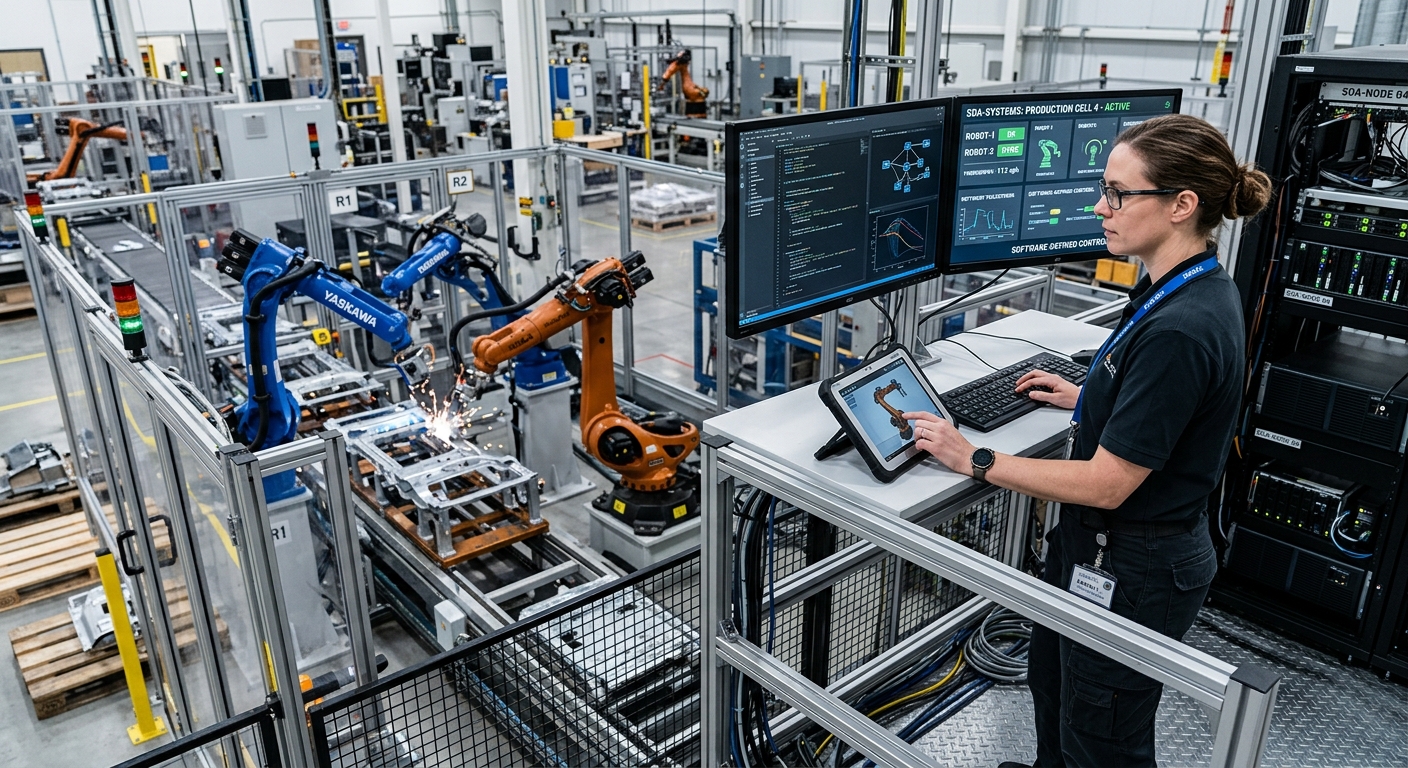
Engineer managing software-defined automation in an industrial robotic production cell

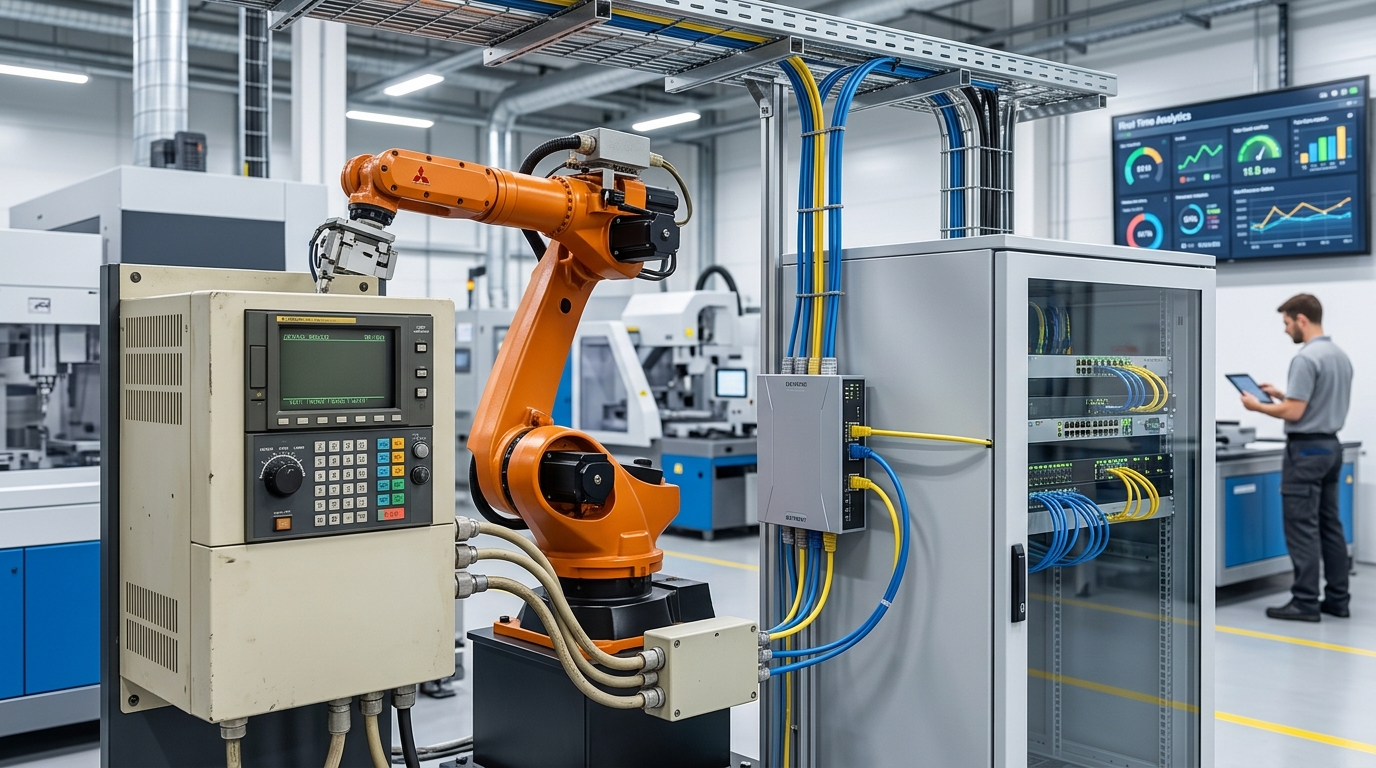
Software flexibility does not remove the physical constraints of a robot cell Software-defined automation can change how manufacturers configure, program, connect, and adapt industrial robots. However, it does not make the physical production process programmable by default. A plant may gain more flexibility at the software layer while tooling, fixtures, part presentation, robot reach, safety … Read more
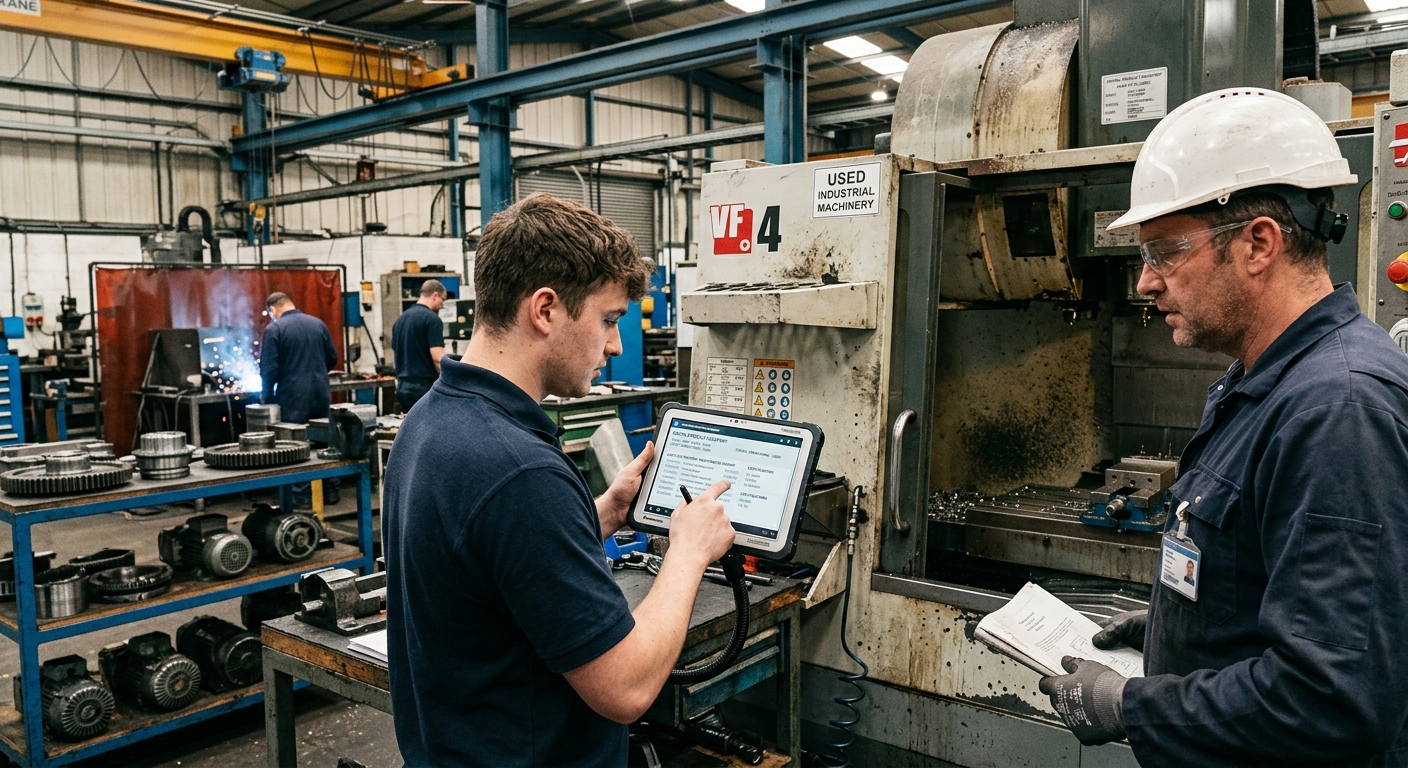
Could digital product passports change how used industrial machinery is evaluated?

Digital product passports used to review lifecycle records for used industrial machinery

Digital Product Passports Could Reduce a Familiar Used-Equipment Risk For buyers of used industrial equipment, digital product passports matter only if they reduce uncertainty about a machine’s history. A digital record can provide useful evidence about configuration, maintenance, and previous changes. It cannot prove current mechanical condition or suitability for a new production process. The … Read more

Edge Computing in Robotics: When Local Processing Actually Matters

Industrial robot cell using local edge computing for vision, monitoring, and production data processing

Moving computation closer to a robotic cell sounds technically attractive, but proximity alone does not make a system more useful. The practical question behind edge computing in robotics is which workloads gain something measurable from running locally instead of depending on a remote server, cloud platform, or higher-level plant system. In a real production environment, … Read more

Connecting Legacy Robots to Factory Data Without Creating New Production Risk

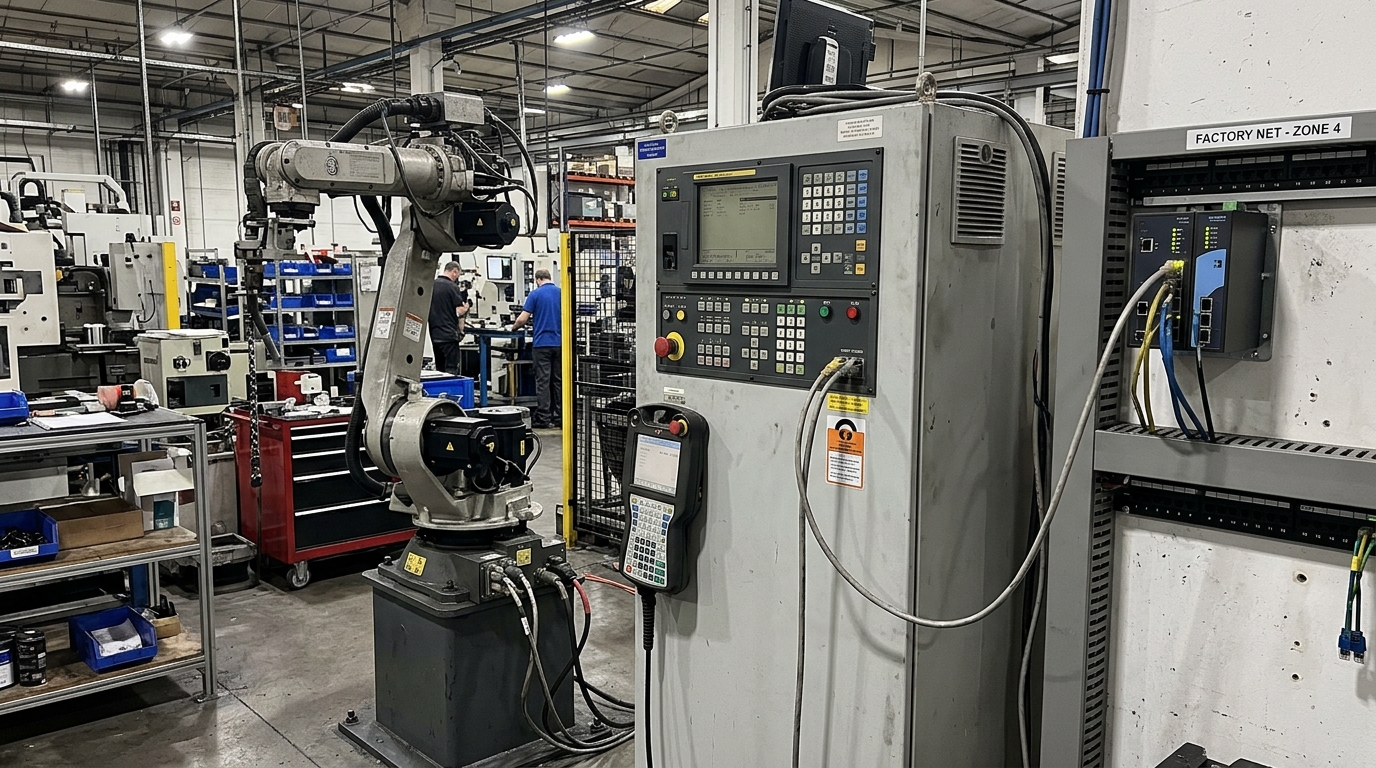
Legacy industrial robot controller connected to a modern factory data network

A robot that has run reliably for years does not necessarily need to be replaced because the plant wants better production data. In many cases, legacy robot connectivity can extend an existing robotic asset into a more connected production environment. The difficult question is not simply whether data can be extracted, but whether the connection … Read more

Connecting Legacy Robots Changes the Cybersecurity Risk

Legacy industrial robot controller connected to a factory network

A robot can run reliably for years and still create new production risks when a plant connects it to a wider network. The mechanical system may stay the same, but the industrial robot cybersecurity context changes. The controller can now exchange data with PLCs, engineering computers, monitoring systems, remote-support tools, and other equipment. This does … Read more

Humanoid Robots in Manufacturing: Where They Add Value—and Where They Don’t Yet

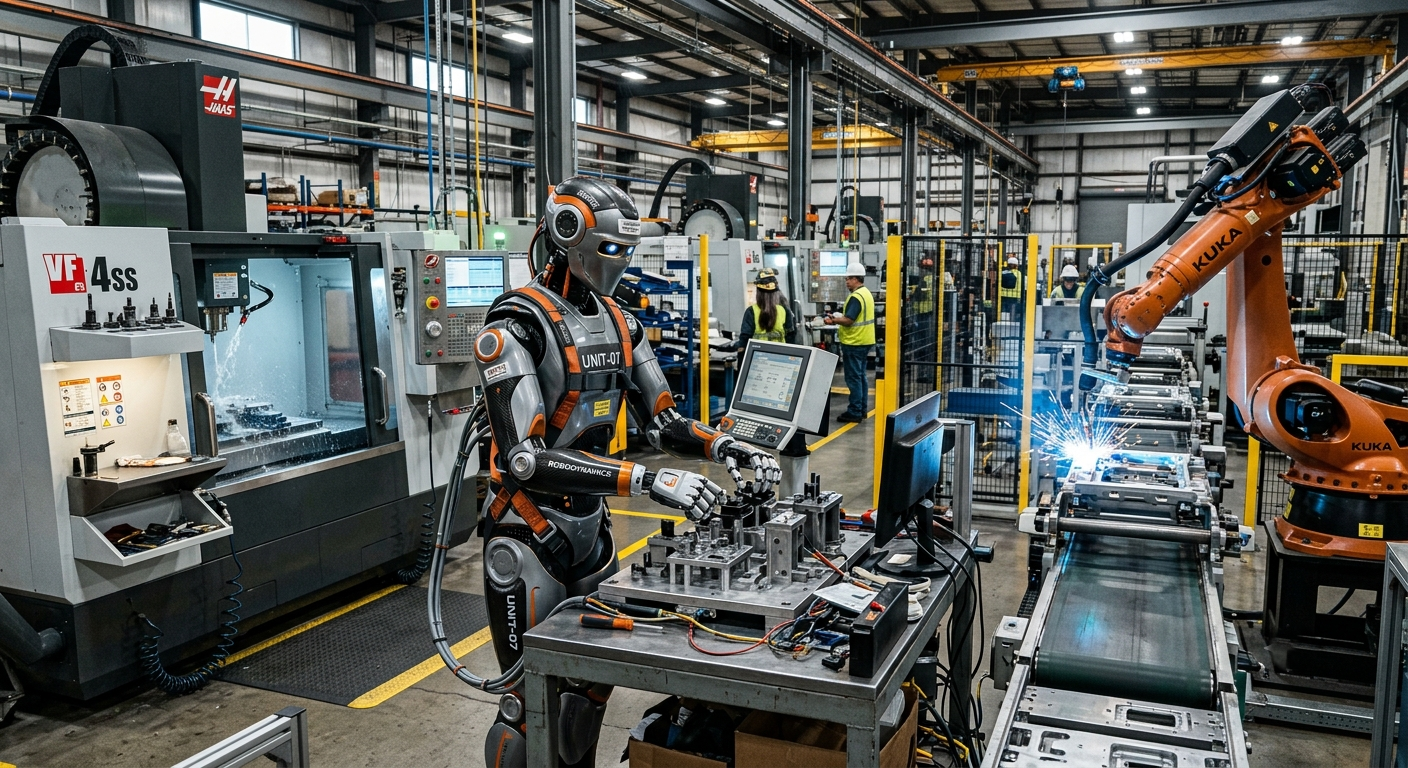
Humanoid robot performing industrial tasks alongside traditional automation equipment in a manufacturing plant

The Question Is Not Whether Humanoid Robots Work, but Whether They Solve the Right Production Problem The growing interest in humanoid robots industry applications has created a common assumption: that factories will soon replace traditional industrial robots with human-shaped machines. The reality is more nuanced. While humanoid robots have demonstrated promising capabilities in controlled environments, … Read more

Physical AI in Robotics: When Intelligence Moves Beyond Software into Production

Physical AI Is Not About Smarter Software Alone The question is no longer whether artificial intelligence can generate text or recognize images. The more important question for manufacturers is whether AI can help a robot operate reliably in the physical world, where parts are not always perfectly positioned, production conditions change, and unexpected events occur. … Read more

Industry 4.0 vs Industry 5.0: What Changes for Manufacturers?

Manufacturing team evaluating connected automation and human-centred production systems

The practical question behind Industry 4.0 vs Industry 5.0 is not which label sounds more advanced. Manufacturers need to decide whether they should keep prioritizing connectivity, automation, and data visibility or broaden investment criteria to include human roles, resilience, adaptability, and dependence on complex digital systems. That distinction matters because a plant can buy connected … Read more

AMR, AGV and industrial robot: differences and when to use each

AMR, AGV, and industrial robot automation in industry offer several solutions. Among them, AMR, AGV, and industrial robots are the most common. Each one solves a different problem: mobility, transport, or production tasks. What are AMR, AGV, and industrial robots An AMR, AGV, and industrial robot represent three approaches to automation. An AMR moves independently … Read more

Manual process automation mistakes to avoid

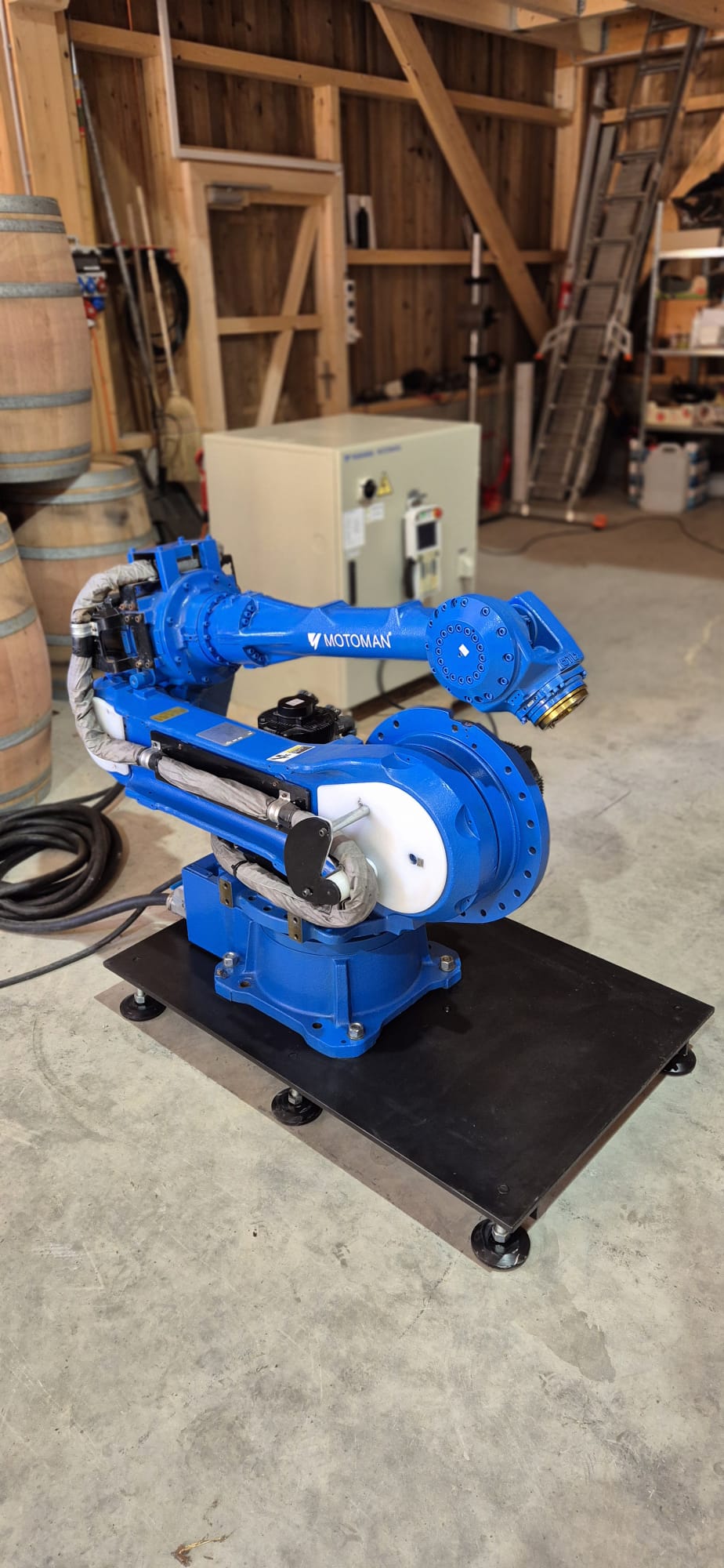
Industrial robot prepared for manual process automation in a factory setting

One of the most common starting points in industrial automation projects begins with a reassuring statement: “The process works fine as it is.” Ironically, this is often where the real problems start. Many manual processes appear stable only because human operators continuously compensate for imperfections: adjusting positions, correcting variations, interpreting visual cues, and making small … Read more