How Does Predictive Maintenance Influence the Reliability and Lifespan of Robotic Systems in Industrial Automation?

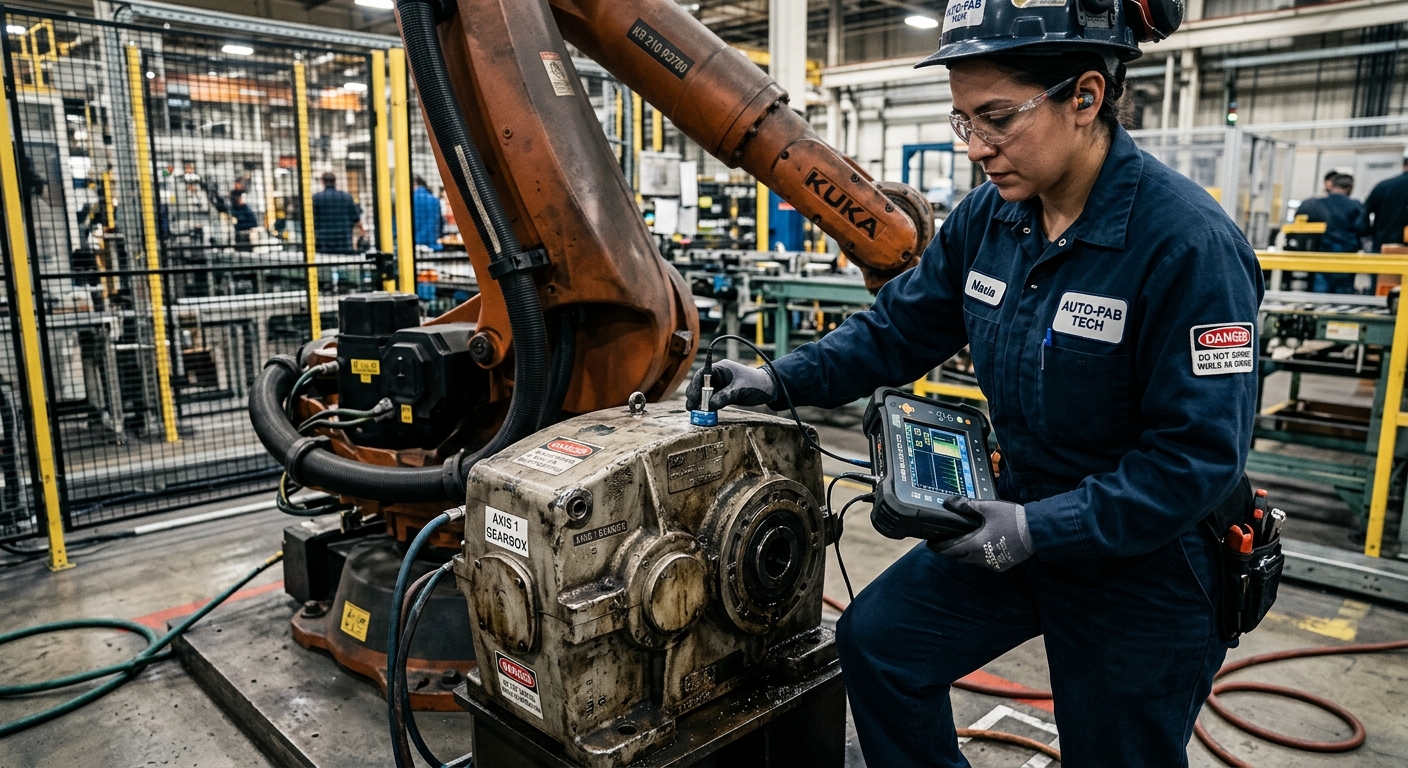
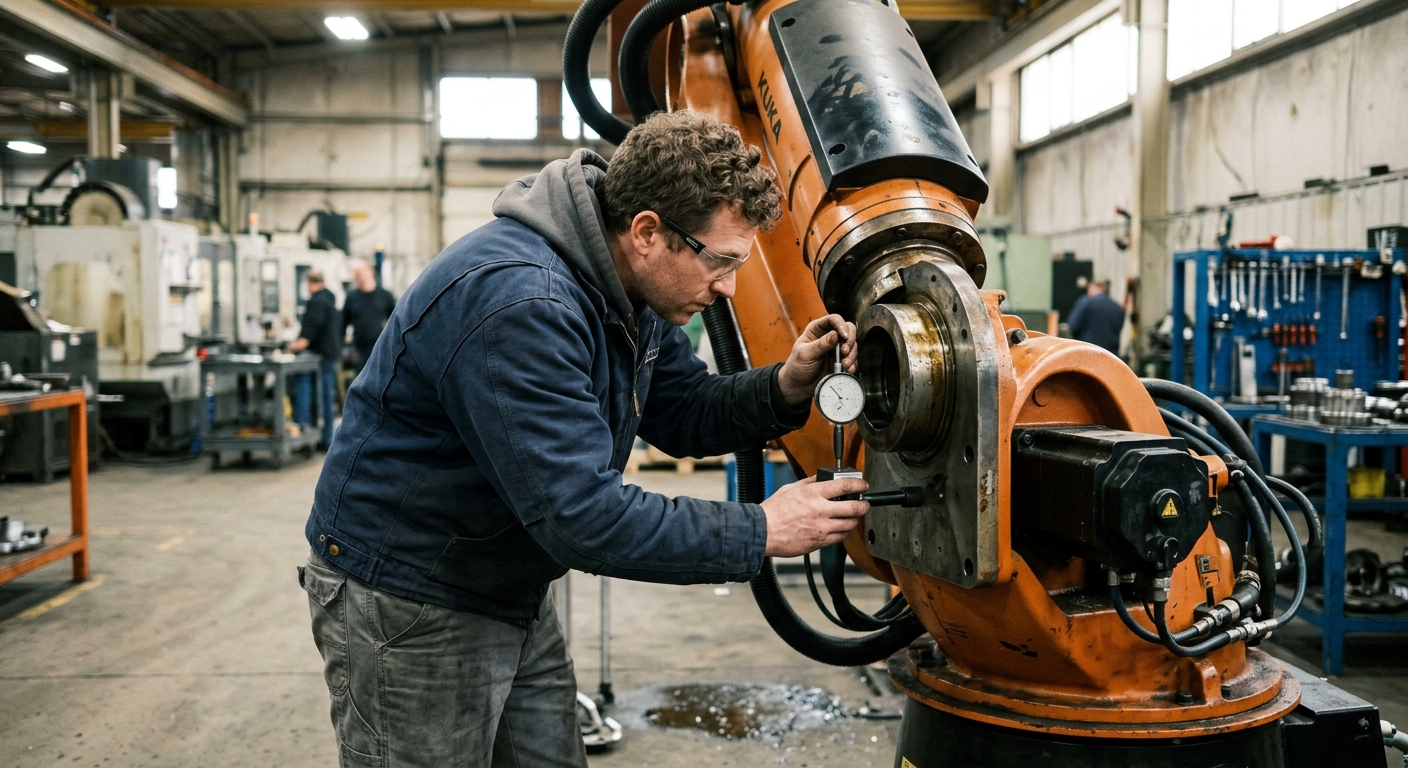
Not only the choice of the robot, but also its maintenance throughout its entire lifecycle, is a critical factor in achieving high performance within automated industrial production lines. To maximize the availability and reliability of automated systems, traditional maintenance approaches—whether preventive or reactive—are often not enough. For this reason, more and more industrial sectors are … Read more

HOW TO REDUCE ROBOT PROGRAMMING TIME IN INDUSTRIAL AUTOMATION

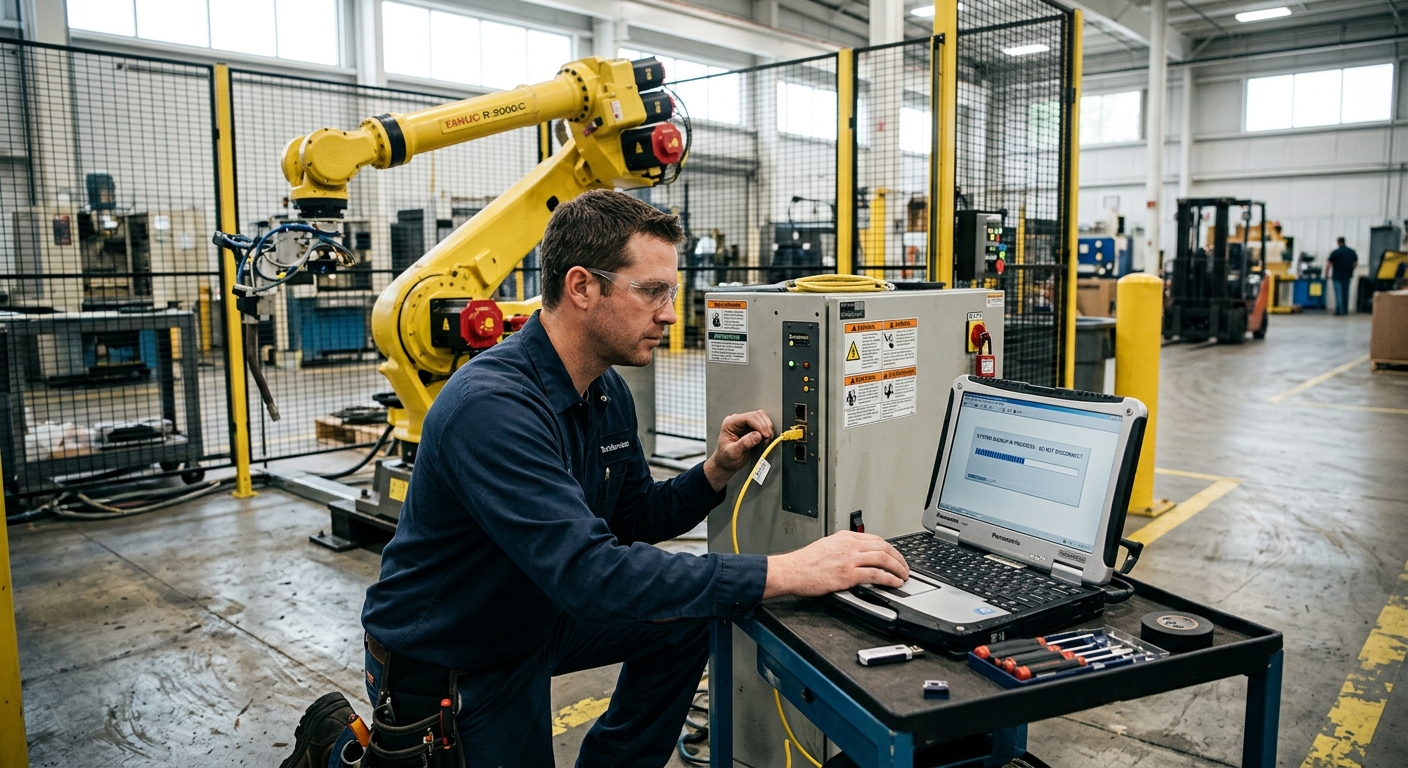
In many automation projects, the real bottleneck is not hardware or mechanical integration: it’s robot programming. Fine adjustments, repeated trials, last‑minute changes, and dependencies with other systems often extend commissioning far beyond expectations. A common question among engineering and production managers is: ➡️ What practical strategies can reduce robot programming time without sacrificing robustness or … Read more

WHAT HAPPENS IF WE NEED SPARE PARTS OR EMERGENCY SUPPORT IN A ROBOTIC WELDING CELL?

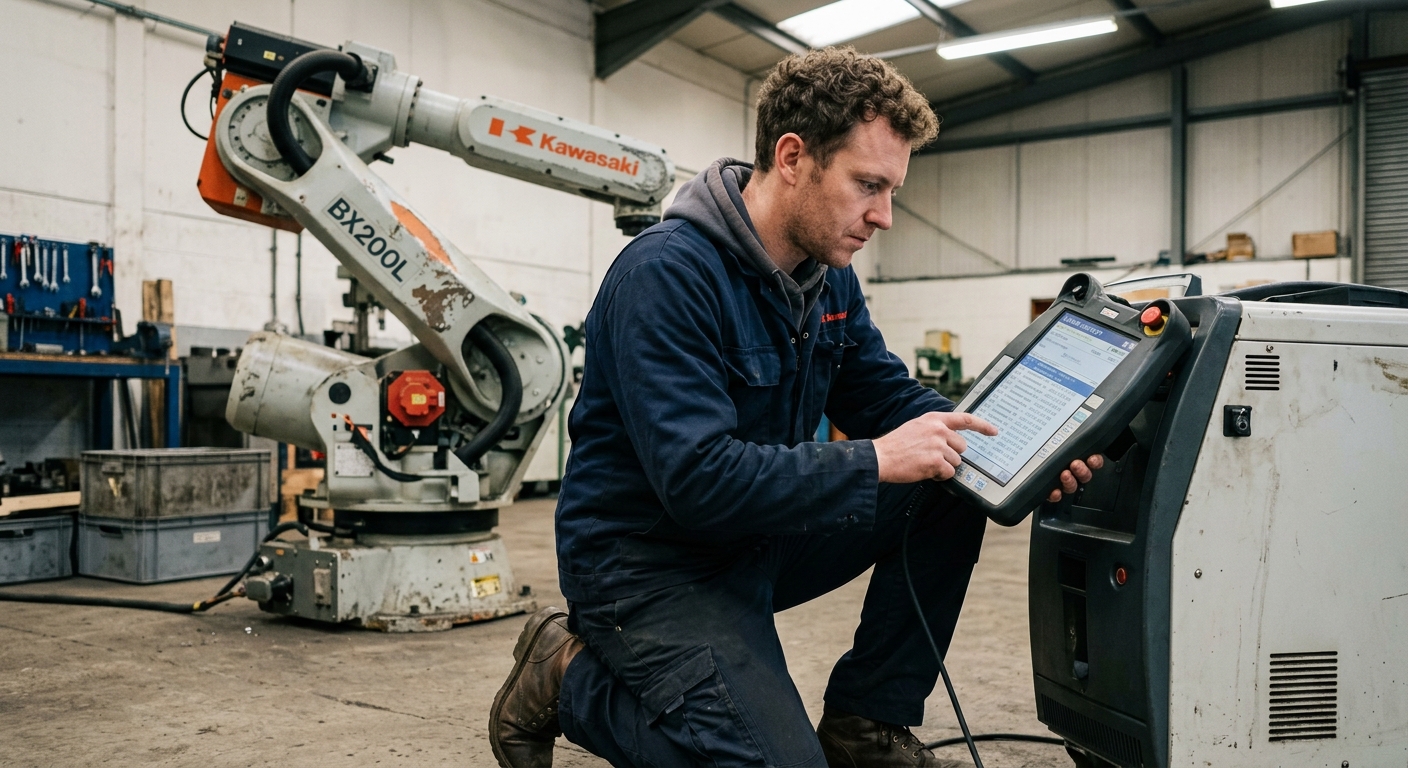
When working with robotic welding systems, one of the most important questions that often arises is what happens when we need spare parts or urgent assistance. In industrial environments, a robotic system is only truly reliable if it can remain operational even when a component fails, wears out, or an unexpected stoppage occurs. For this … Read more

INTEGRATING COLLABORATIVE SAFETY IN HYBRID LINES: CHALLENGES AND BEST PRACTICES

In the modern factory, the best of two worlds comes together: the robustness of traditional industrial robots and the flexibility of collaborative robots, or cobots. This fusion—a hybrid human-robot line—offers great advantages but also raises critical challenges: safety, ergonomics, production flow, and adaptability to change. For brands like KUKA, ABB, or FANUC, which you manage … Read more

POLISHING, AND FINISHING PROCESSES: WHAT YOU NEED TO KNOW BEFORE INTEGRATION

In the industrial sector, sanding, polishing, and surface finishing might seem like straightforward tasks, but they actually involve a significant level of technical complexity. Each piece requires consistent pressure, precise motions, a uniform rhythm, and an attentive approach to detail—qualities that are difficult to maintain manually over many hours of work. This is where an … Read more

WHAT SPECIFIC IMPROVEMENTS WOULD WE SEE IN EFFICIENCY, QUALITY, OR COSTS WITH THE INTEGRATION OF A ROBOTIC SOLUTION?

The integration of a robotic welding solution does not simply replace manual labor, but transforms the entire production process. The benefits are mainly reflected in three key areas, which are constantly monitored by the industry: production efficiency, weld quality, and operating costs per part. These improvements are recognized worldwide and proven by the actual performance … Read more

PREDICTIVE MAINTENANCE IN INDUSTRIAL ROBOTS: SENSORS, DATA AND MINIMISING DOWNTIME

At the heart of many automated factories, a group of robots works tirelessly for hundreds of hours on end. But what happens if one of these machines fails unexpectedly? An unplanned stoppage can cost thousands of euros per hour, result in lost orders and delayed deliveries. This is where predictive maintenance steps in: instead of … Read more

WHAT IS THE TOTAL COST OF INVESTING IN A ROBOTIC WELDING SOLUTION, INCLUDING THE ROBOT, INTEGRATION, SOFTWARE, AND TRAINING?

The total investment goes far beyond the price of the robot itself. A robotic welding cell involves a complete package that covers the industrial robot, mechanical and electrical integration, welding equipment and peripherals, software and programming, staff training, and ongoing maintenance and spare parts. The industry takes this comprehensive approach because it best reflects the … Read more

How Does URT Measure the Success of an Arc Welding Robotic Integration Project?

The effectiveness of a robotic welding integration project is determined by tangible outcomes in several crucial aspects. First and foremost, the quality of the weld bead is of utmost importance, as it directly impacts the strength, safety, and compliance with regulations. High-quality robotic welding results in fewer defects such as porosity, lack of fusion, undercut, … Read more

PREDICTIVE VS CORRECTIVE MAINTENANCE IN INDUSTRIAL ROBOTS

Industrial robots, like any machinery, require regular maintenance. But the key question is: do we act before a failure occurs or after it? Predictive maintenance redefines efficiency by anticipating breakdowns and optimising resources. Corrective: The Traditional Model Corrective maintenance takes place after a failure: when a servomotor stops, an axis loses calibration or a controller … Read more