Used Robot Operating Hours: What the Number Cannot Tell You

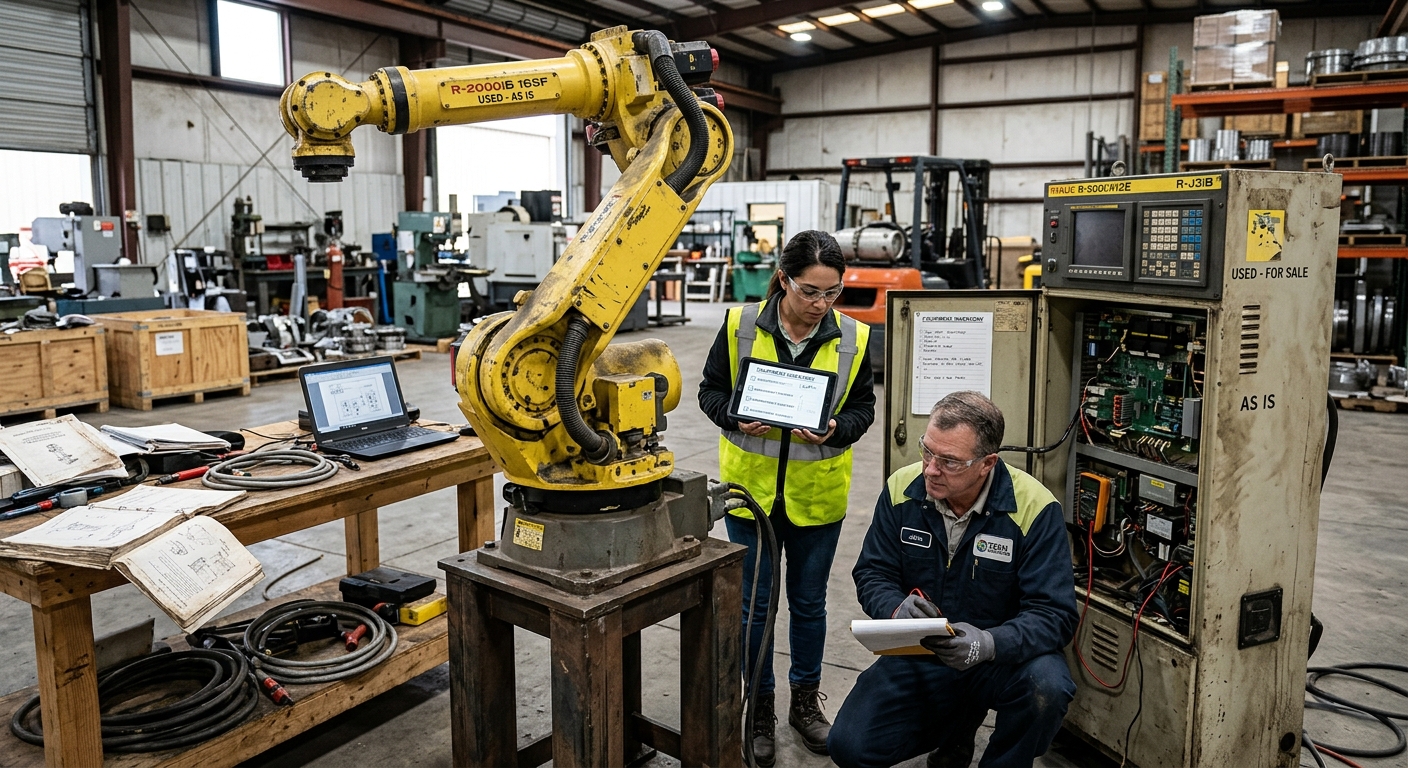
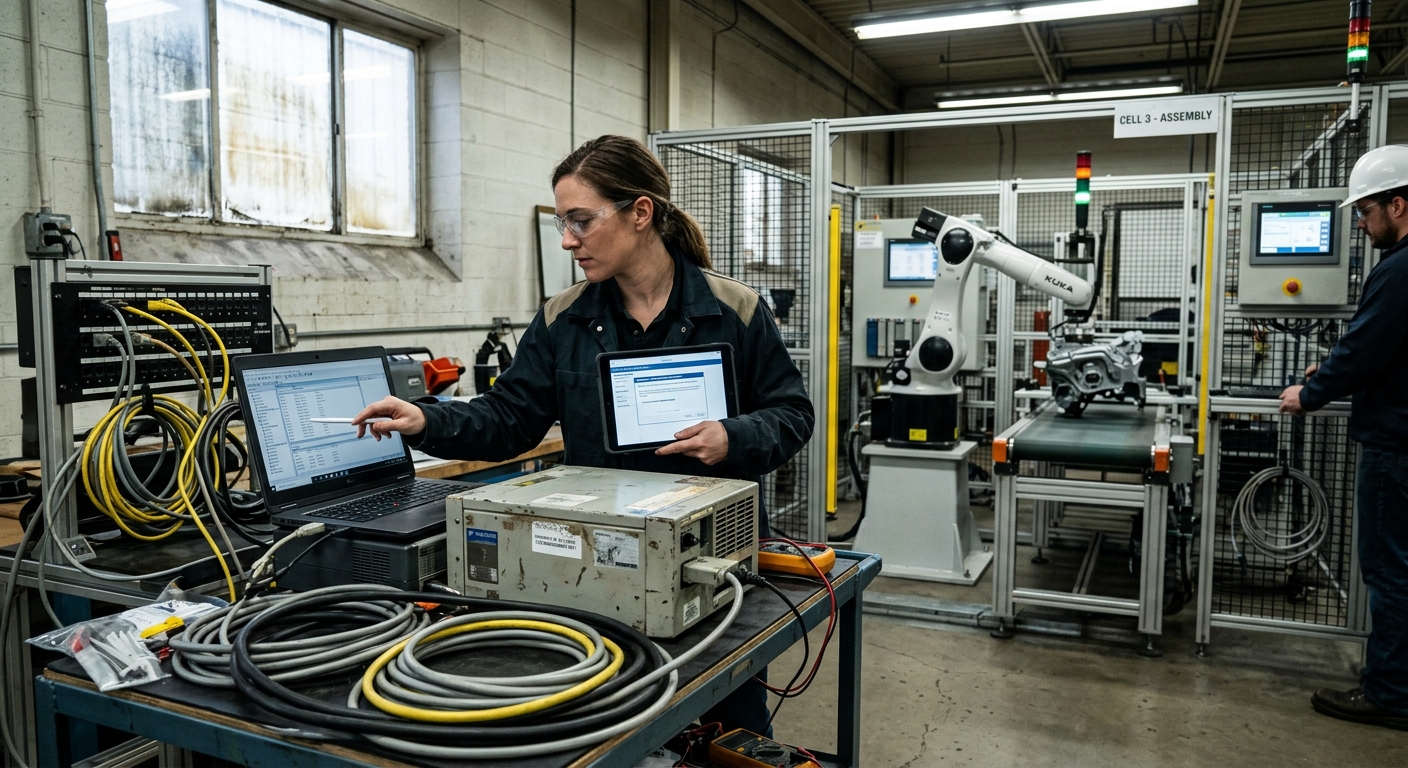
Technician evaluating operating hours and mechanical condition of a used industrial robot

Used robot operating hours can look like an objective way to compare two machines. The number does not explain how those hours were accumulated or what loads the robot handled. It also does not show whether maintenance was performed correctly or what mechanical condition the robot is in today. A lower-hour robot can therefore be … Read more

Before You Buy a Used Robot, Check What the Serial Number Can Actually Prove

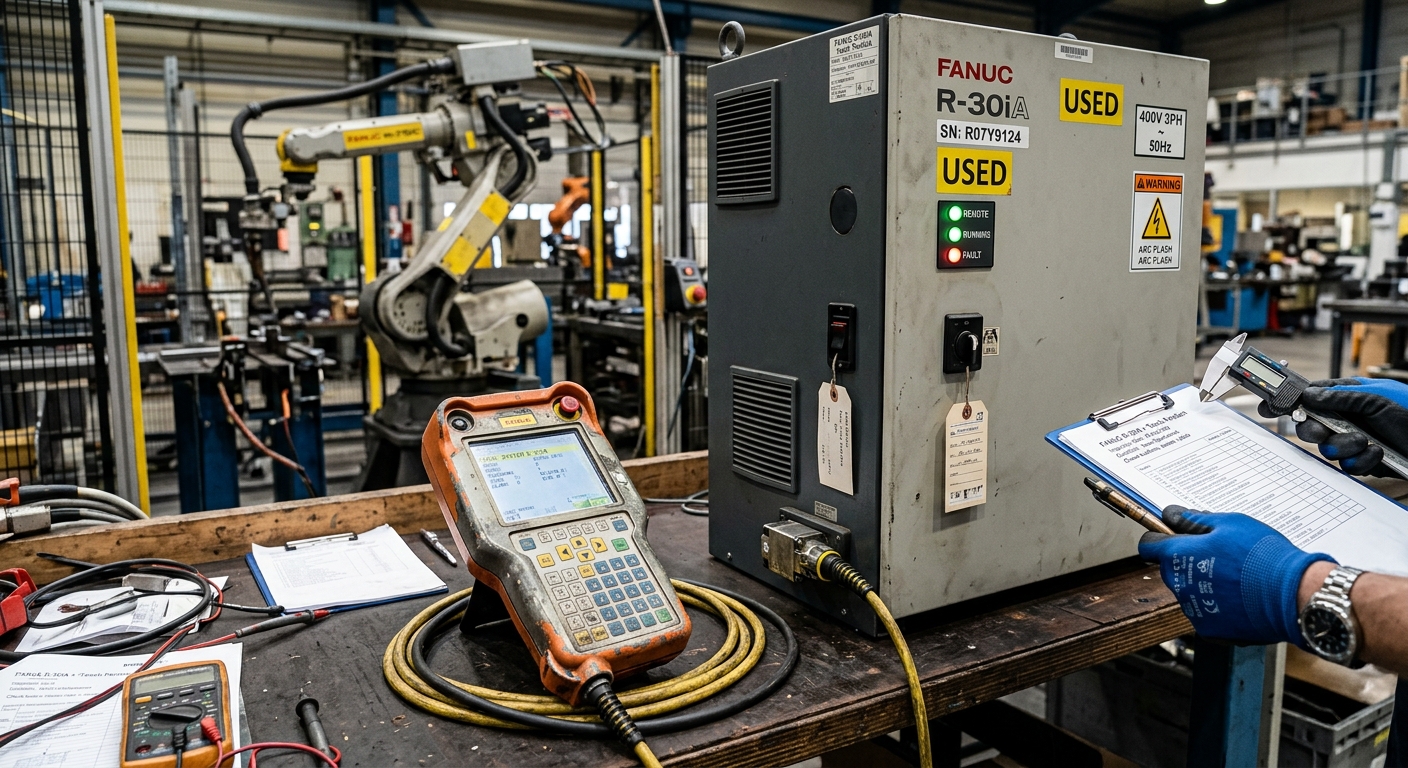
Technician checking the serial number and identification plate on a used industrial robot

A Serial Number Is a Starting Point, Not a Condition Report A used robot serial number can help a buyer establish exactly which machine is being evaluated, but it should not be treated as proof that the robot is mechanically sound, correctly configured, or ready for production. The practical value of the number is traceability: … Read more

The Used Robot Controller Check That Can Prevent an Expensive Integration Mistake

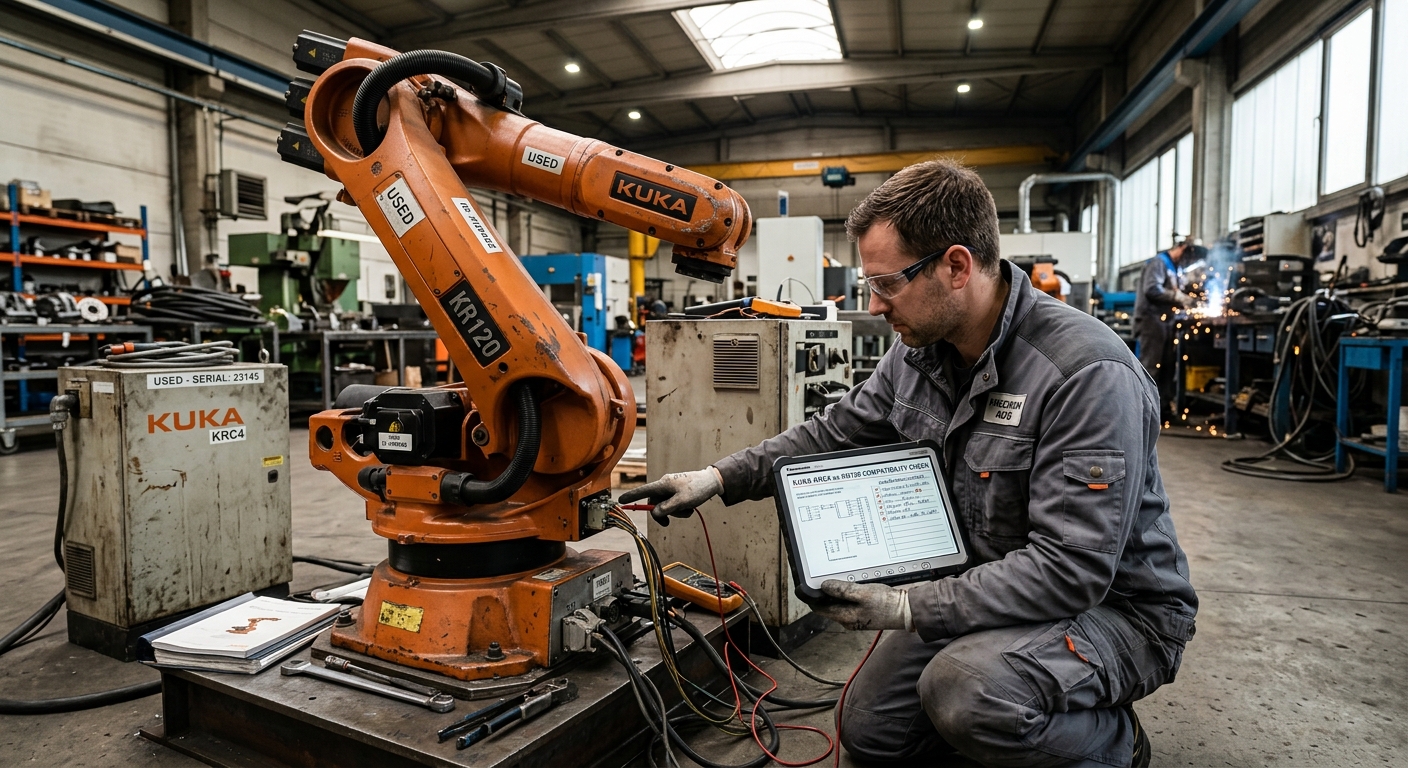
Engineer checking controller compatibility before installing a used industrial robot

Why Controller Compatibility Can Change the Buying Decision A mechanically suitable robot can still become the wrong purchase if used robot controller compatibility is checked only after the equipment arrives. The arm may fit the application, but an incompatible controller environment can create additional engineering work around communication, software, safety functions, peripherals, backups, programming, and … Read more

Before You Buy a Used Robot, Will Its Controller Fit Your Cell?

Used industrial robot controller being evaluated for compatibility with an existing automated production cell

A Compatible Robot Arm Is Not Enough A used robot can meet the mechanical requirements of an application and still become an expensive integration problem if used robot controller compatibility is checked too late. The controller determines how the robot is programmed, how it communicates with other equipment, which software functions are available, how backups … Read more

Top Buying Mistakes That Turn Refurbished Robots Into Costly Investments

Engineer inspecting a refurbished industrial robot before purchase

Buying a Refurbished Robot Is Not the Same as Buying a Lower-Priced Robot The biggest mistake companies make when purchasing a refurbished industrial robot is assuming the purchase price determines whether the investment will be successful. In reality, the purchase price is only one part of the total project cost. A refurbished robot can become … Read more

When Refurbished Robots Make Sense for Warehouse Automation—and When They Do Not

Refurbished industrial robots automating warehouse material handling operations

Why Lower Purchase Cost Is Rarely the Real Warehouse Automation Decision The decision to automate a warehouse with refurbished warehouse robots is rarely about finding the lowest purchase price. The more important question is whether the existing warehouse processes, equipment, and operational goals allow a refurbished robotic system to deliver reliable performance over time. A … Read more

When Do Used Robots Make Sense for Food Industry Automation?

Refurbished industrial robot operating in a food production automation cell

Why Lower Purchase Cost Is Only Part of the Decision Food industry automation is often evaluated under pressure to increase production capacity, improve consistency, or address labor shortages. In that situation, a used industrial robot can appear to be the obvious financial choice. The real question, however, is whether the robot can meet the hygiene, … Read more

A Second-Hand Robot Can Look Ready for Production and Still Hide Expensive Risk

Technician carrying out a second-hand robot inspection before purchase

A second-hand robot inspection should answer a harder question than whether the arm powers up and moves. The real issue is whether the robot can enter a specific production environment without creating avoidable mechanical, controller, compatibility, maintenance, or downtime risk. A machine can look clean, complete a short demonstration, and still be a poor purchase … Read more

The Hidden Risks to Check Before Buying a Used Industrial Robot

Technical buyer inspecting a used industrial robot before purchase

A used industrial robot can reduce the initial equipment cost of an automation project. However, purchase price rarely determines whether the investment succeeds. The real risk comes from buying a robot that looks suitable on paper but creates problems through wear, controller limits, missing software, weak parts support, or poor cell compatibility. The decision must … Read more

The Hidden Risks to Check Before Buying a Used Industrial Robot

Technical buyer inspecting a used industrial robot before purchase

A used industrial robot can reduce the initial equipment cost of an automation project. However, purchase price rarely determines whether the investment succeeds. The real risk comes from buying a robot that looks suitable on paper but creates problems through wear, controller limits, missing software, weak parts support, or poor cell compatibility. The decision must … Read more