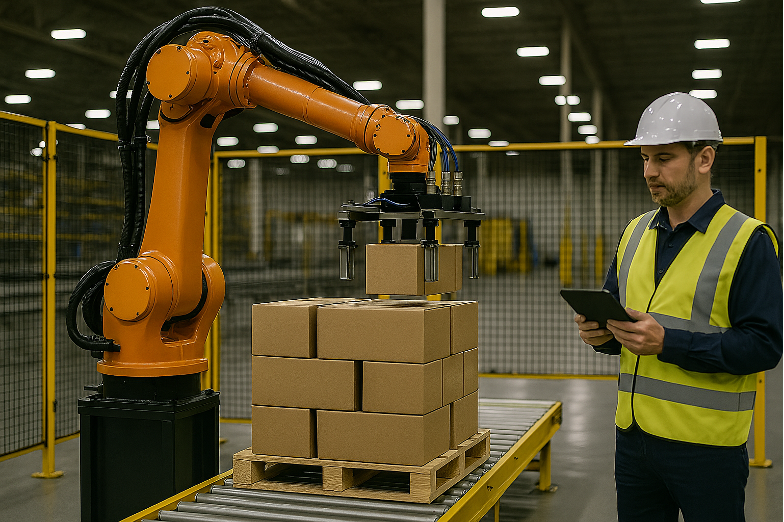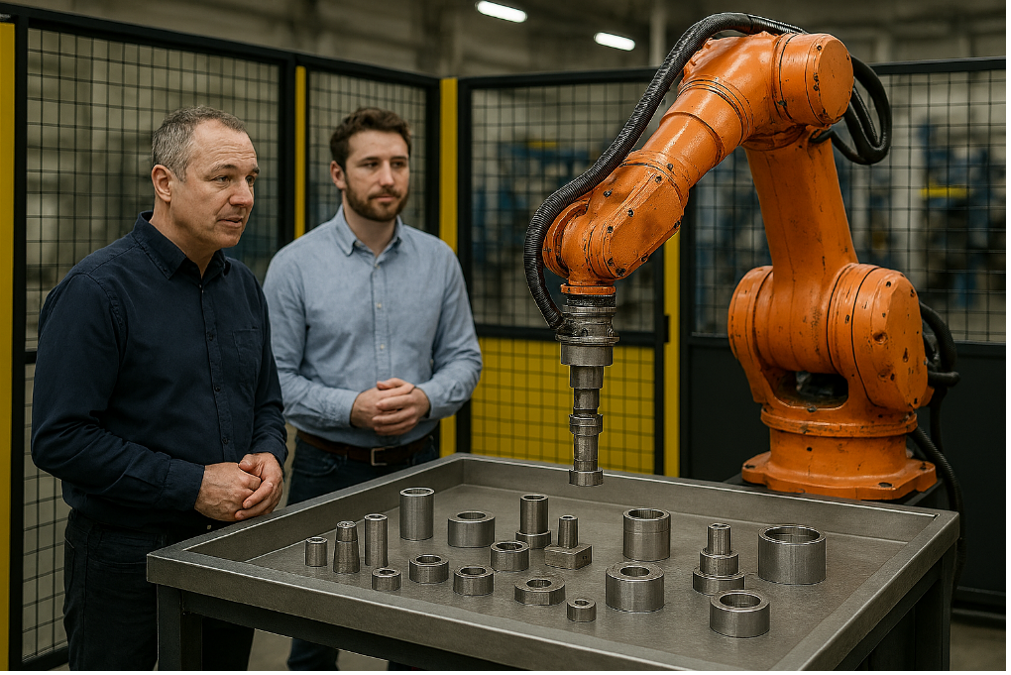
How to Automate Quality Control with Machine Vision and Robots Without Slowing Production
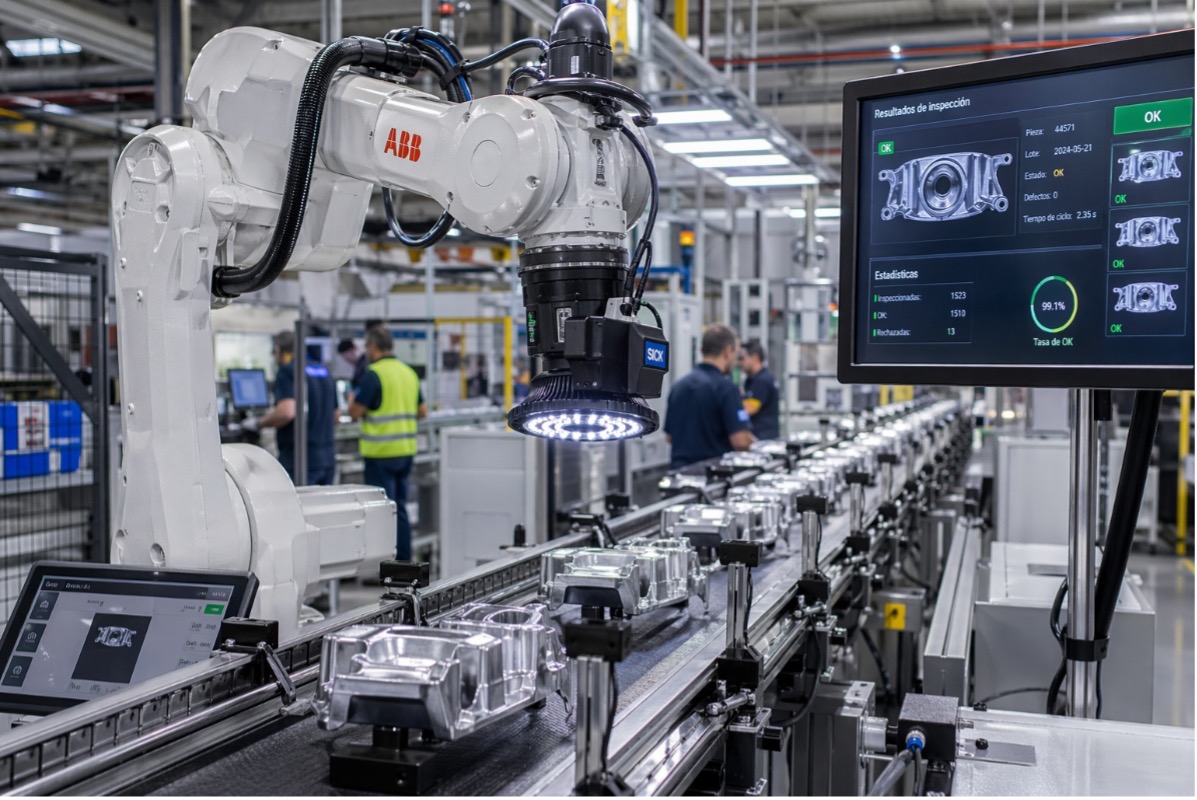
It is possible to automate quality control using machine vision and industrial robots without stopping or slowing down production—as long as the solution is designed around the real manufacturing process, not the other way around. When inspection is properly integrated, the robot positions the part, the camera captures critical information, and the software determines within … Read more
Industrial Robotics in Mining: What to Automate First to Reduce Risk

Industrial robot used in a controlled automation cell for mining-related handling and maintenance operations

Mining is one of the few sectors where the case for industrial robotics is not mainly about speed. It is about reducing human exposure to tasks performed near dust, vibration, heat, heavy equipment, falling material, or hard-to-reach areas. Operations managers in this industry rarely need to be convinced that automation can be useful. The real … Read more

Which process should you robotize first to achieve the fastest ROI

Industrial robot used to evaluate the first process to robotize

The first process to robotize is not always the most visible one or the one with the highest labor cost. In most cases, the best starting point is the process that combines high repetitiveness, clear operational impact, a high cost of errors, and relatively simple implementation. When selected correctly, the first robotics project can deliver … Read more

End of line: when to automate and when a semi-manual solution makes more sense

Fully automating the end of line is not always the best choice. The right decision depends on several factors, including: production volume product stability ergonomics cost of errors required flexibility In some cases, a robotic cell is the most effective way to increase capacity and safety. In others, a well‑designed semi‑manual solution delivers better return, … Read more

Can a process with variable parts be robotized?

Yes, it is possible to automate a process that involves variable parts, but feasibility depends on what changes from part to part and how much tolerance the operation allows. If variability stays within defined limits, robotics can absorb it through: adaptive tooling vision systems appropriate programming strategies When variation is chaotic and input data is … Read more

Legal and regulatory implications of integrating industrial robots into legacy production lines

A significant part of today’s industrial landscape still operates with legacy production lines designed decades ago. Robust machines, proven processes, and layouts that have worked reliably for years now face the need to integrate industrial robotic automation. This is where a critical — and often underestimated — question arises: What happens when a modern industrial … Read more

What happens if the real behavior of the material does not match the simulation?

Simulation always looks calm. Everything flows. Nothing vibrates. Nothing shifts. No surprises. On screen, the robot never hesitates. That’s why, when the system moves from the digital environment to the real plant, the contrast is often brutal. The first contact with the real material — the one with history, moisture, internal stresses, inherited tolerances — … Read more

Robotic automation KPIs to measure after implementation

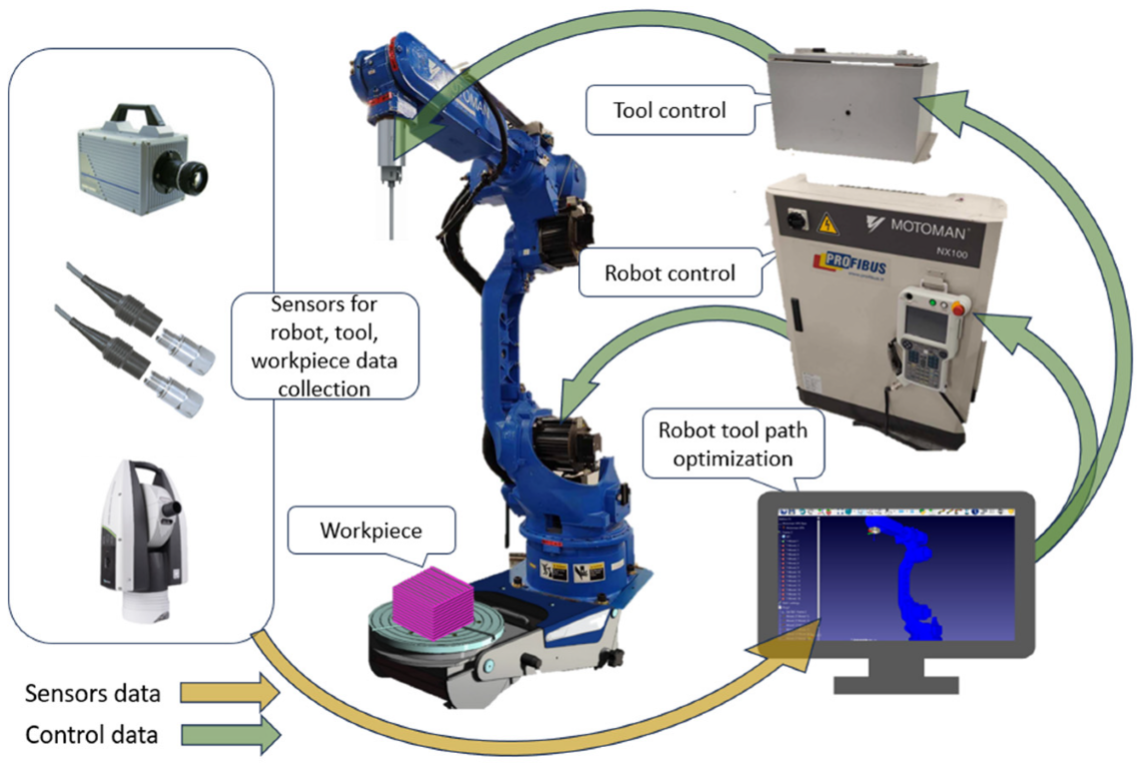
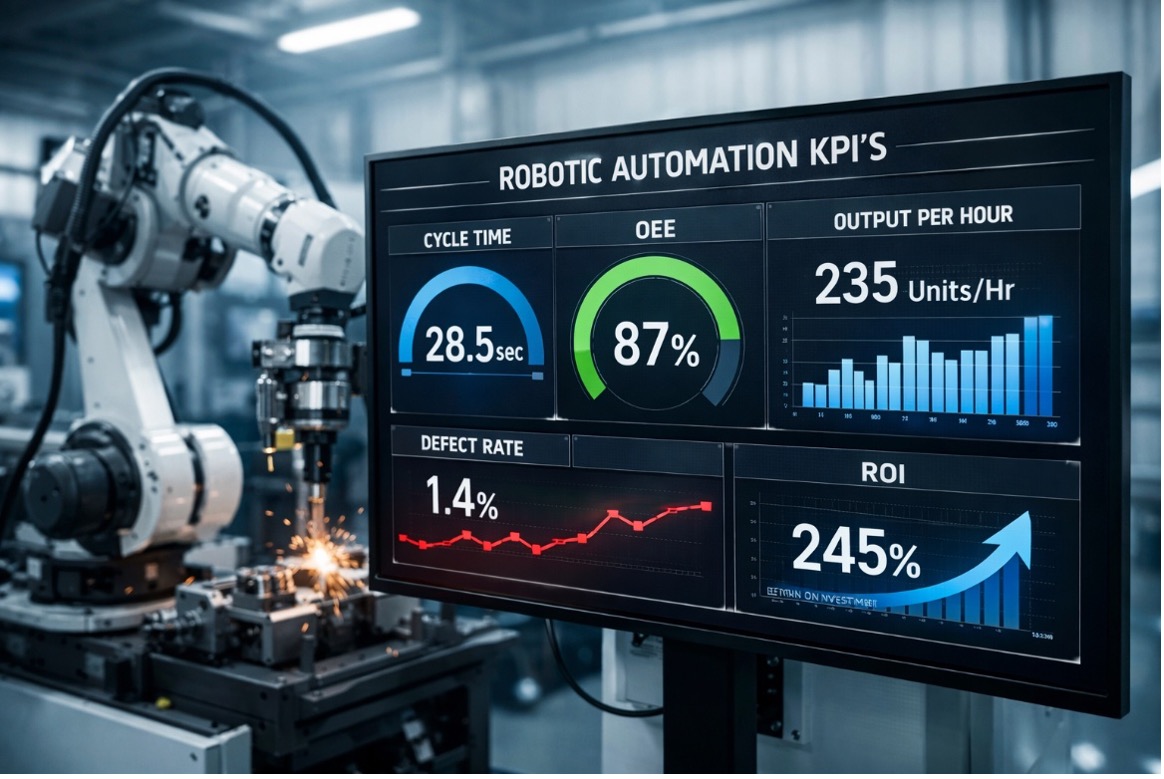
Industrial robot control panel used to track robotic automation KPIs

Implementing robotic automation in an industrial plant is not only about purchasing a robot or installing a cell. The real question is whether the system delivers measurable value after implementation. To evaluate that value, companies need clear robotic automation KPIs. These key performance indicators show whether automation is improving productivity, quality, availability, safety, cost control, … Read more

What Type of Robot Is Best Suited for Milling Small Components or Mold Deburring, and Why? What Solution Does URT Offer?

Milling small parts and deburring mold flash share a key requirement: they demand consistent precision in repetitive operations, often involving metals, polymers, or alloys. In these cases, the decisive factor isn’t brute force but motion control, stability, and repeatability. For this reason, these applications are among the most common robotic processes in industries such as … Read more

How to Optimize Energy Consumption in Industrial Robots Without Losing Speed

In many industrial environments, energy efficiency is often perceived as a trade‑off: lowering consumption usually means reducing performance. However, in modern robotic automation, this is no longer true. Optimizing the energy consumption of industrial robots without sacrificing speed, precision, or productivity is entirely achievable—as long as you address the right factors. The key is not … Read more