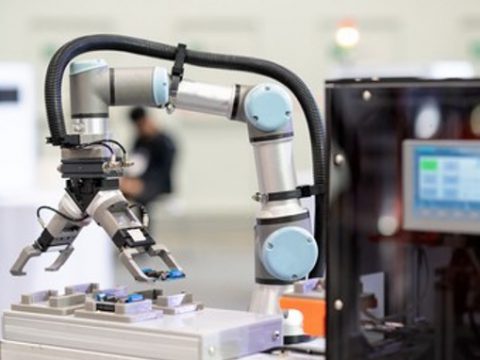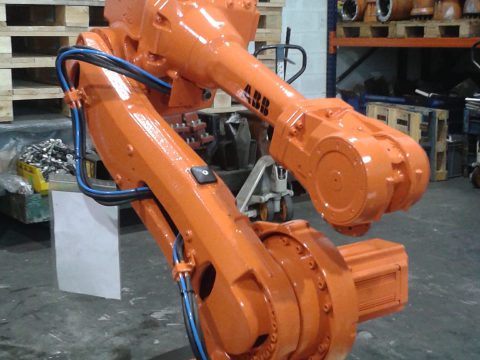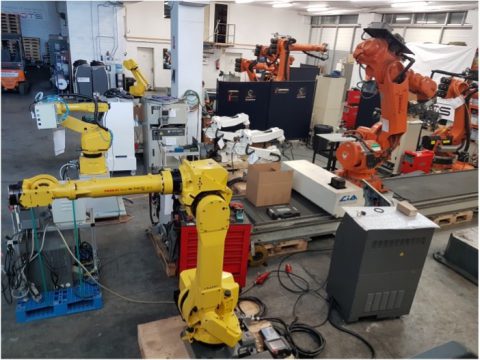
Is it better to be industrial or collaborative? We all want to get the most out of our production, but it is not easy to decide between the two options. It all depends on the environment in which the machine operates, how the operators need to interact with the robot and its main functions. Companies
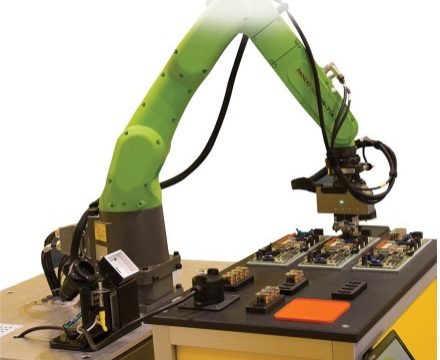
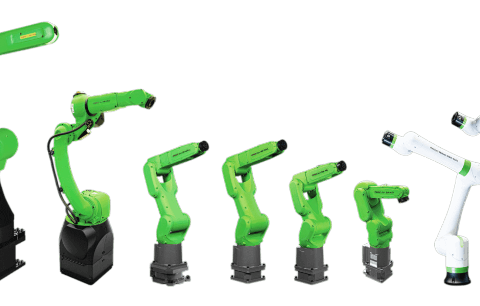
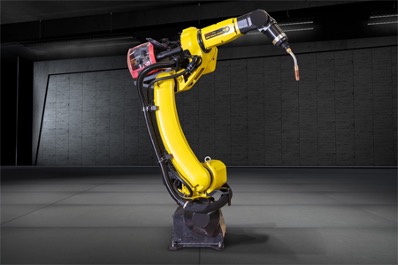
FANUC’s newest collaborative robots, the CRX series, are designed to make cobot installation and programming easier than ever. CRX-series robots meet the same high-quality requirements that consumers have come to expect from FANUC products. The small, lightweight form factor makes it easy to incorporate into any work environment or existing system. They have a smooth,
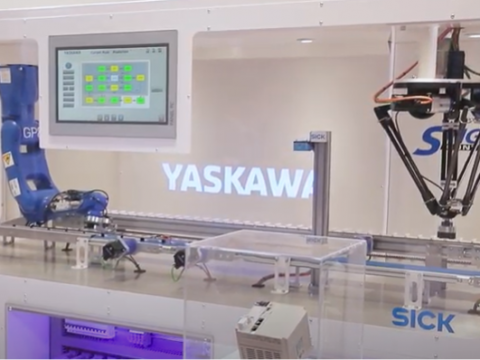
Yaskawa has added new functions to its MP3300iec RBT solution from the ‘Singular Control’ end-to-end solution, which enables robots, servo drives, inverters and I/O systems to be controlled from a single controller. ‘Circular Conveyor Tracking’ allows automatic tracking of linear conveyor movements. By calculating the corresponding radius, the software can determine the exact position of
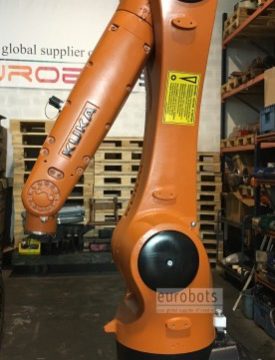
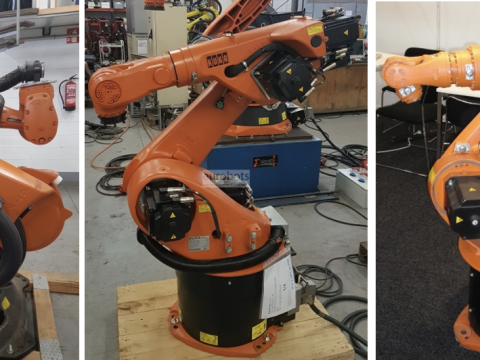
KUKA is a world leader in robotics innovation as well as a leading manufacturer of high-quality robots. For almost all applications, including your industry, KUKA offers industrial robots in a variety of variants with different payload capacities and reach ranges. KUKA offers a variety of production equipment that allows you to combine standardized systems and
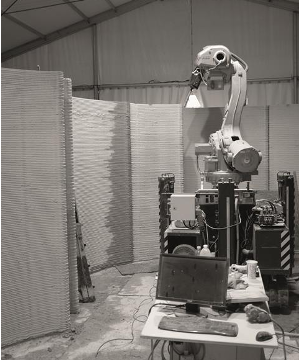
It will still be science fiction to some, but 3D printing is quickly breaking down typical engineering and design barriers and streamlining how the development business works. Last month, the city showed off Europe’s first 3D-printed house that was designed almost entirely by a robot. In recent years, the race to create the world’s first
The NSF was awarded to an interdisciplinary team that includes collaboration between the University of Minnesota Taubman School of Architecture and Urban Planning and the College of Engineering, as well as external research collaborations with the University of Florida and Washington State University. KUKA Robotics robots are helping the University of Michigan (U of M)
HC10DTP and HC20DTP are the two new six-axis collaborative robotic arms for applications such as assembly, dispensing, machine maintenance, material handling, packaging and welding. Designed by Yaskawa Motoman. Each robot has four modes of collaborative operation and can switch between collaborative speed in PFL mode and maximum speed in industrial mode, meeting established safety requirements
According to Eric Potter, general manager of FANUC America’s General Industries and Automotive Segment, “The new M-1000iA is FANUC’s largest serial link robot to date.” ” Current needs have changed requiring new solutions to process very large parts with greater versatility and better use of the work area. Especially in applications such as processing and
According to Automation World’s recent robotics adoption survey, some vertical industries saw a significant increase in investment in robotics due to the need to socially distance, reorient supply chains and increase throughput, and others saw investment paralysis. As demand for their products fell, their decision-making process was paralyzed by political and economic uncertainty. Despite the
The robots are particularly resistant to cleaning chemicals and disinfectants and can clean under high pressure thanks to their robust construction. Special rules apply to robots used in the food, pharmaceutical and cosmetic industries. The new KUKA “Hygienic Oil” (HO) product range, as well as the KUKA “Hygienic Machine” (HM) series of robots, were designed