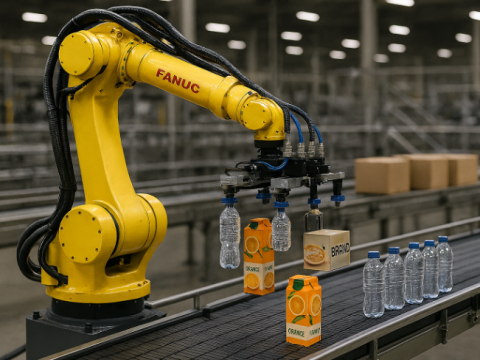
Yes, it is absolutely possible to successfully automate a line that handles a wide variety of packaging formats — but there is no single robot that can solve every situation on its own. The right choice depends on: available space product fragility geometry and weight frequency and complexity of format changeovers When these criteria are
A robot can bring significant value to plastic injection molding — but not in every process, and not in the same way. For automation to be truly profitable, it is essential to verify that cycle time, mold stability, post‑processing requirements, and part logistics actually justify the use of a robot. When this analysis is done
The silent fear of a robotic cell becoming obsolete. “What if in two years this no longer works for me?” Few industrial decisions trigger as much reflection as this one: “What happens if I invest in automation… and then the product changes?” This is not a technical question. It’s a strategic one — and a
Implementing robotic automation in an industrial plant is not just about purchasing a robot or a cell — it’s about measuring whether it is truly delivering the expected benefits in productivity, quality, and cost reduction. To do this, it is essential to define and track Key Performance Indicators (KPIs) that validate the impact of automation
Subtitle From monumental sculpture to algorithmic painting: real applications where industrial robotics becomes an artistic tool. Slug industrial-robots-contemporary-art-creative-manufacturing Meta description Discover how industrial robots are revolutionizing contemporary art, sculpture, and creative manufacturing with precision, scale, and new expressive possibilities. Introduction For decades, industrial robots have been associated exclusively with production lines, welding, palletizing, or machining.
The financial problem of scrap In manufacturing, few words generate more losses than these two: scrap and rework. They’re not just defects: They are lost hours. They are wasted materials. They are delivery delays. They are dissatisfied customers. In plants where each defective part carries both a direct cost and a hidden cost (energy, wear,
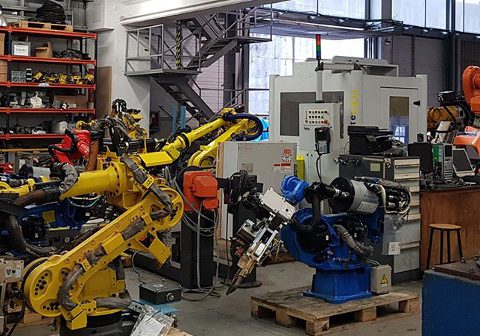
In many workshops, the same dilemma repeats itself: should you buy a new robot or modernize the one already installed? With advances in controllers, sensors, software, and mechatronics, older robots can be brought back to life effectively. The key is knowing when refurbishment makes sense— and when it’s time to replace. Why consider modernization? A
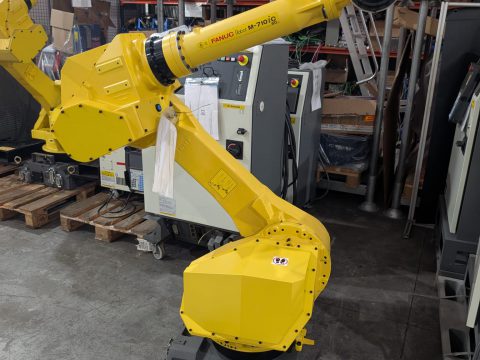
In the world of industrial automation, medium-payload robots represent an ideal balance between strength and agility. Among them, the FANUC M-710iC/50 has established itself as a reliable solution for processes that require precision, speed, and adaptability. Supported by URT, this model continues to be a competitive alternative for companies looking to optimise their operations with
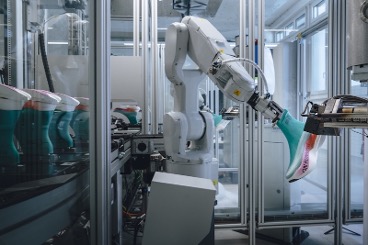
For the launch of its first LightSpray™ plant in Zurich, On partnered with ABB Robotics—a Swiss company renowned for its leadership in industrial automation. ABB developed a robotic arm specifically for this project, designed to fabricate the uppers of On’s footwear. While the exact model hasn’t been disclosed, it’s likely a six- or seven-axis robot,
Modular robot design is revolutionizing industrial automation by offering unprecedented flexibility and efficiency. This approach allows factories to quickly adapt to shifting market demands, streamline their processes, and reduce operational costs. What’s driving the change? The ability to easily reconfigure modular robots enables them to take on different tasks, making it easier for production lines