
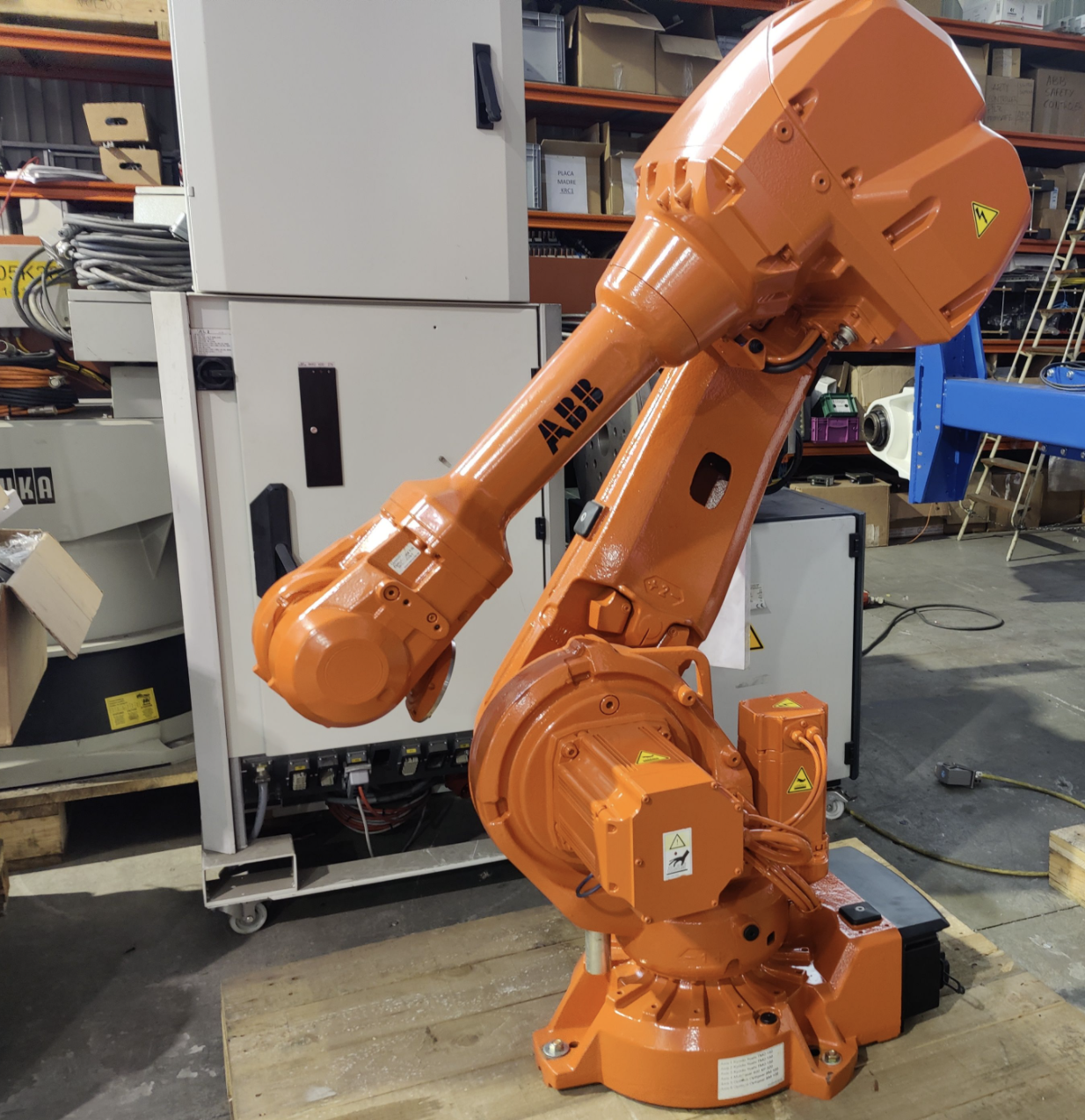
Some projects never fail: Because they never start!
They live in a permanent state of improvement. Every week, the system becomes a little better than before—slightly more precise, a bit more elegant. There’s always something to tweak, something to polish, something that “before we start real production” should be optimized. The robot moves. The simulation is flawless. The reports are complete.
Production? Not yet.
On the shop floor, this situation rarely gets called failure. It wears the mask of caution, of technical rigor, of commitment to quality. But over time, it becomes clear that these aren’t the real reasons the project remains stuck. What holds it back is fear—the fear of drawing a line, of accepting that no system is perfect before production begins, of admitting that absolute optimization is a comfortable illusion.
The question surfaces when patience runs out: At what point do we stop improving and simply start manufacturing?
Optimization feels safe. It looks productive. It generates knowledge, not risk. Production, on the other hand, exposes the system. It brings it face-to-face with real-world variability—wear and tear, night shifts, materials that don’t arrive quite the same. Optimization happens in controlled conditions. Production happens in reality.
That’s why the leap is so hard.
Many projects confuse preparation with progress. They measure what can be measured, adjust what can be adjusted, but deliberately avoid what only emerges when the system truly works: decisions under pressure, cumulative failures, human limits. Optimization becomes an elegant way to postpone responsibility.
Eventually, improvements stop being meaningful. Adjustments grow smaller, more sophisticated, harder to justify in terms of real impact. The project becomes technically brilliant—and operationally irrelevant.
From a technical standpoint, the time to produce comes when the system has proven stability, not perfection. When critical variables are under control and secondary ones are understood. When margins are clear and risks acknowledged. Producing doesn’t mean abandoning optimization; it means shifting where optimization happens—from hypotheses to real data.
But there’s something deeper no diagram can solve.
Starting production means accepting that incomplete knowledge isn’t a mistake—it’s a condition. That the system will learn more in one week of real work than in a month of empty optimization. That some problems only exist when there’s volume, wear, and repetition.
Teams that cross this threshold usually do so because someone makes an uncomfortable decision: to declare the system “good enough.” Not perfect. Not final. Just enough to learn under real conditions. That decision isn’t technical—it’s cultural. It marks the transition from project to process.
Ironically, once production begins, optimization becomes more honest. It stops being aspirational and becomes contextual. No longer asking what could be better in theory, but what truly hurts today. The focus sharpens. Priorities arrange themselves.
Optimizing without producing is a form of control.
Producing without optimizing is a form of negligence.
Maturity lies in knowing when to switch modes.
Because an automated system doesn’t exist to be perfect in tests—it exists to withstand the imperfection of the real world without collapsing. And that truth only emerges when someone finally dares to say: Let’s start. Call us!