Robots in Precision Agriculture: Affordable Technology with Refurbished Units
Modern agriculture faces a major challenge: producing more with fewer workers and with rising operational costs. Automation is no longer a luxury—it is a necessity. However, many medium and small farmers still believe robotic technology is beyond their reach. The reality is very different: refurbished industrial robots are opening a new era in precision agriculture, … Read more
How Refurbished Robotics Is Accelerating Battery and Electric Vehicle Component Manufacturing

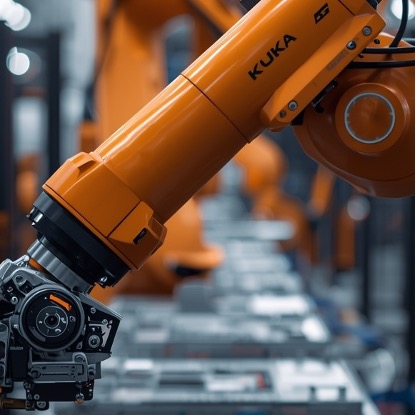
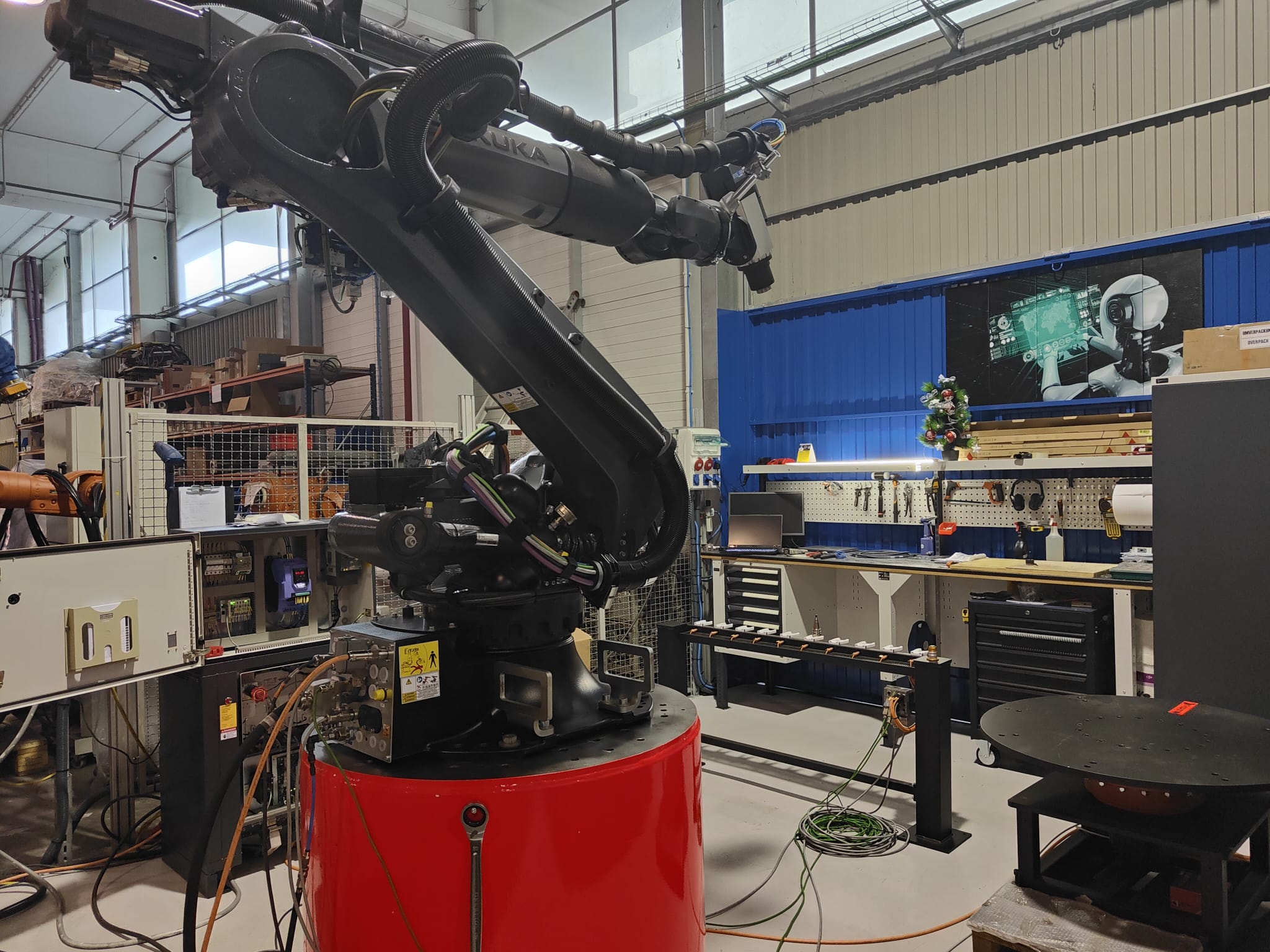
The rapid rise of electric mobility is transforming global manufacturing. Battery gigafactories demand high‑precision automation, controlled environments, and scalable production capacity. Yet many companies encounter a major challenge: high investment costs for industrial robots. Refurbished robotics is eliminating this barrier—driving growth, sustainability, and accessibility in the EV sector. Key Advantages of Refurbished Industrial Robots Cost … Read more

HOW TO CHOOSE THE RIGHT MILLING SPINDLE FOR ROBOTICS: DIMENSIONS, POWER AND MATERIALS

Choosing the right spindle for a robotic milling cell is not about buying “the most powerful one” and calling it a day. Several factors are involved: the application (material, tool, MRR), the rpm/torque window, the tool interface, cooling/duty‑cycle, and in robotics the weight and moments that the robot arm must withstand. If these factors are … Read more

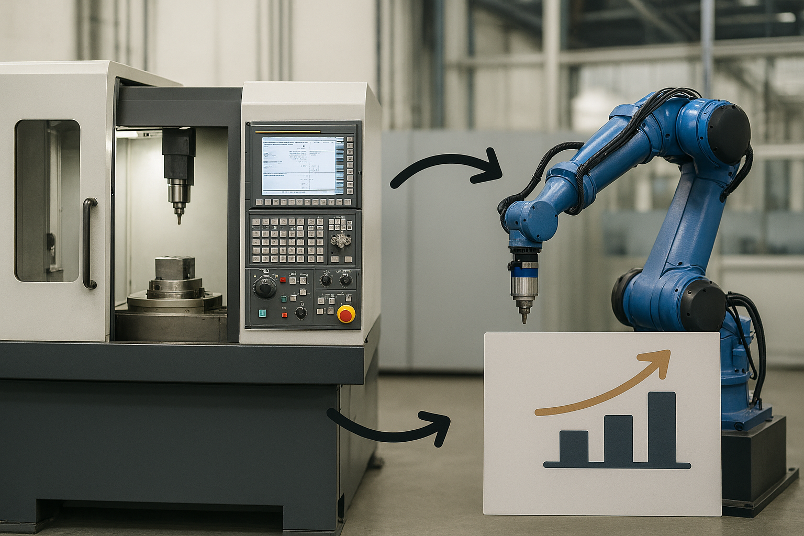
How to Calculate the Real ROI When Replacing a CNC Machine with a Robot + Spindle

Robotic milling cell with industrial robot and high-speed spindle machining a part

Replacing a CNC machine with a robotic milling cell is not a simple upgrade decision. It is a strategic one. The financial case depends heavily on which specific costs and benefits are included in the calculation — and many standard ROI comparisons leave out the variables that most often determine whether the investment makes sense. … Read more

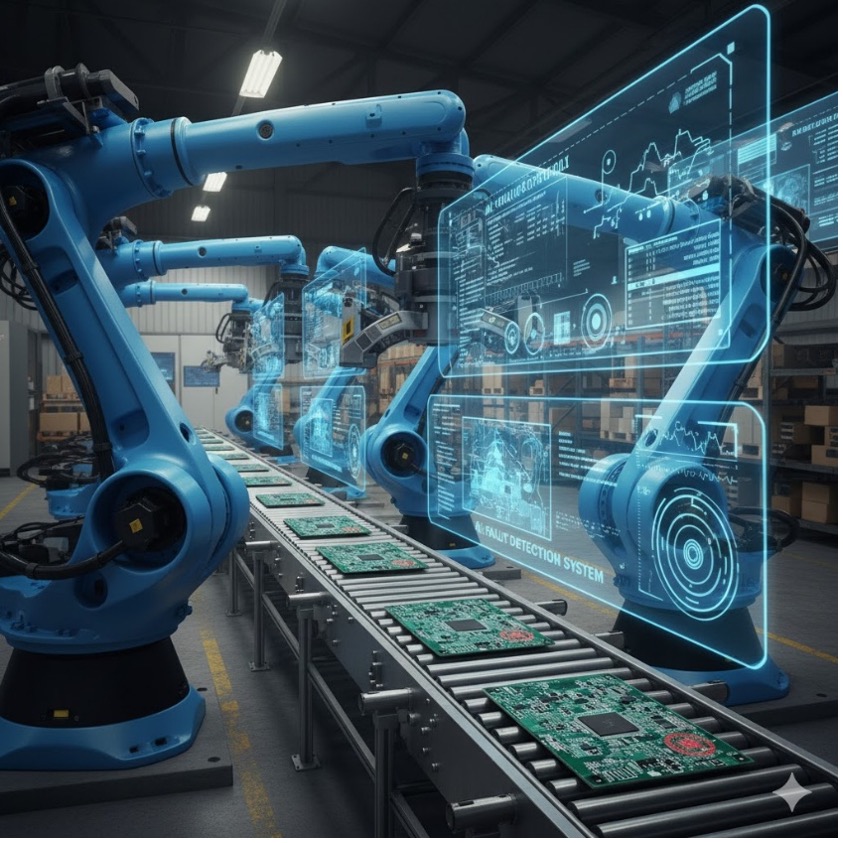
AI IN ROBOTIC ARMS FOR DETECTING PRODUCTION FAILURES

Failure detection in production has historically relied on a combination of human inspection, statistical controls, and traditional sensors. However, the increasing complexity of processes, the pressure to reduce scrap, and the need for real-time traceability have highlighted clear limits in these approaches. In this context, a frequently asked question on the shop floor is: How … Read more

What level of accuracy and repeatability can you expect from an industrial robot?

Spec sheets vs shop-floor reality On paper everything looks precise. In production you face tolerances, scrap risk, manual tweaks, and material variability. The honest question is: “Will the robot actually be more accurate than what we do today?” Accuracy vs repeatability Repeatability The robot’s ability to return to the same point over and over. Typical … Read more

How To Reduce Robot Programming Time In Industrial Automation

Industrial robot programming setup for reducing commissioning time

In many automation projects, the real bottleneck is not hardware selection or mechanical integration. It is robot programming. Fine adjustments, repeated trials, last-minute changes, and dependencies with PLCs, vision systems, fixtures, and operators often extend commissioning far beyond the original plan. For engineering and production managers, the practical question is not simply how to program … Read more

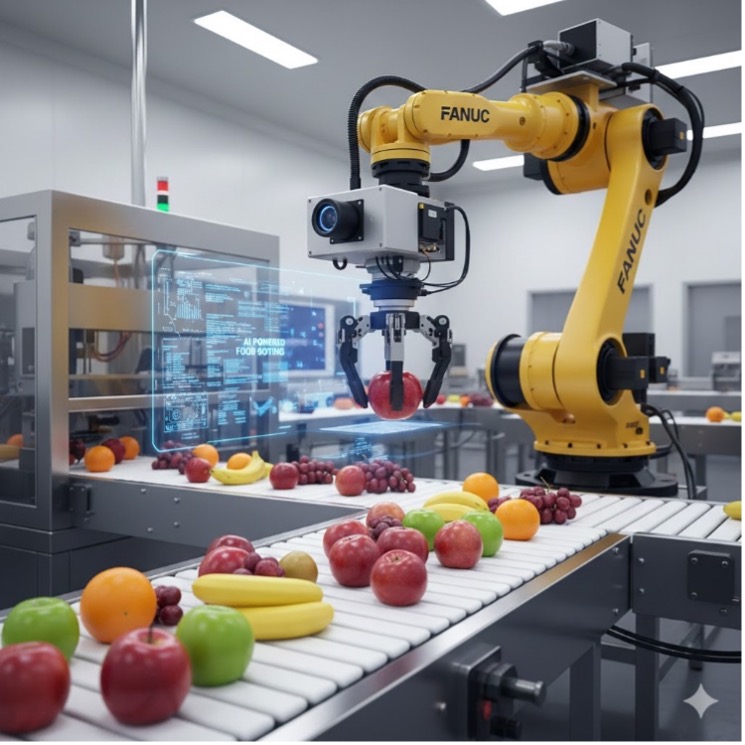
CHALLENGES AND SOLUTIONS FOR INTEGRATING MACHINE VISION IN THE FOOD INDUSTRY

Machine vision has become one of the most in-demand technologies in the food industry. Quality control, inspection, sorting, traceability, and robotic guidance are now processes almost unimaginable without vision systems. However, real-world plant environments differ greatly from marketing promises: integrating machine vision in food production requires facing specific technical, operational, and regulatory challenges. Unstable lighting, … Read more

WHAT REAL-WORLD WELDING PROBLEMS CAN BE SOLVED WITH ROBOTIC AUTOMATION?

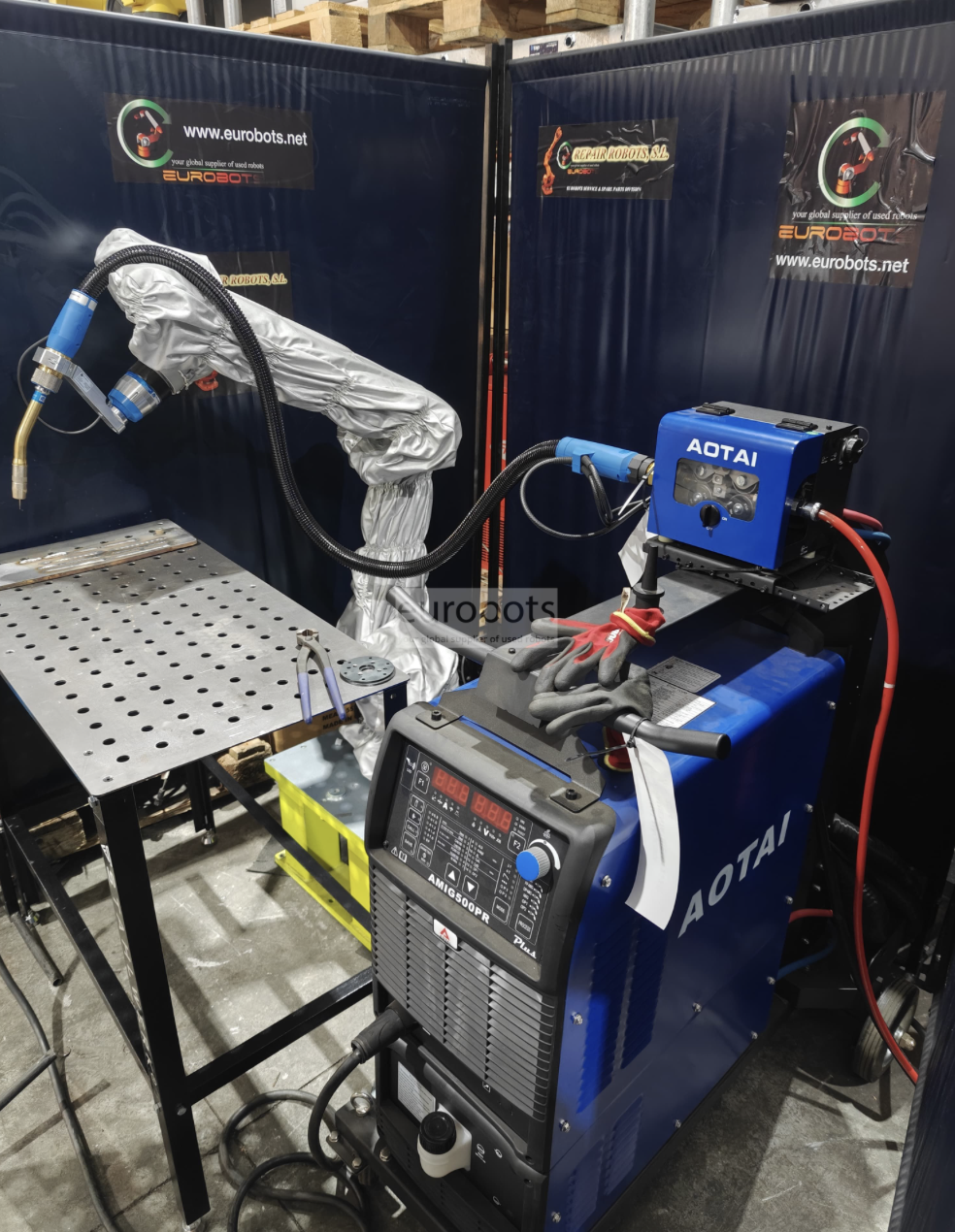
In industrial welding, the most expensive problems rarely come from the welding process itself but from its variability: differences between operators, inconsistent travel speed, positioning errors, or human fatigue. Robotic automation—especially in MIG/MAG and TIG welding—is widely used across the world to eliminate recurring failures that affect quality, production time, and cost per part. This … Read more

How Dependent Does My Process Become on Software Instead of Hardware?

This question rarely appears when a robot first arrives on the production floor. It emerges months later. When everything works. When the cell is producing. When nobody questions the arm, the gearbox, or the repeatability anymore. The doubt appears in front of a screen: A pending update. A license about to expire. A file that … Read more