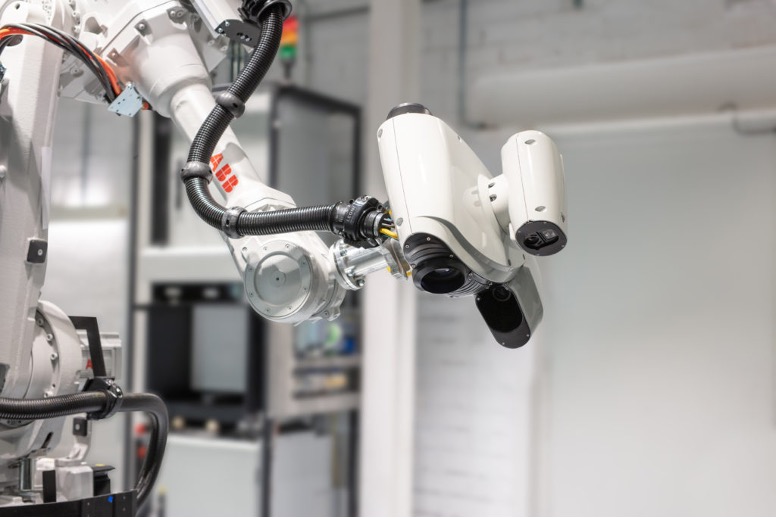
What level of internal training does a company need to avoid full dependence on the supplier after automating with industrial robots?
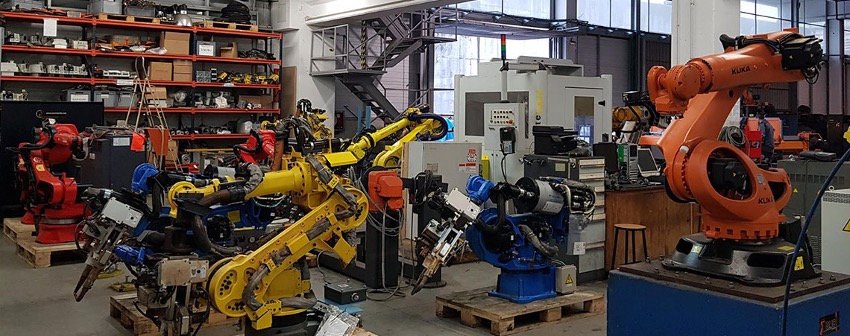
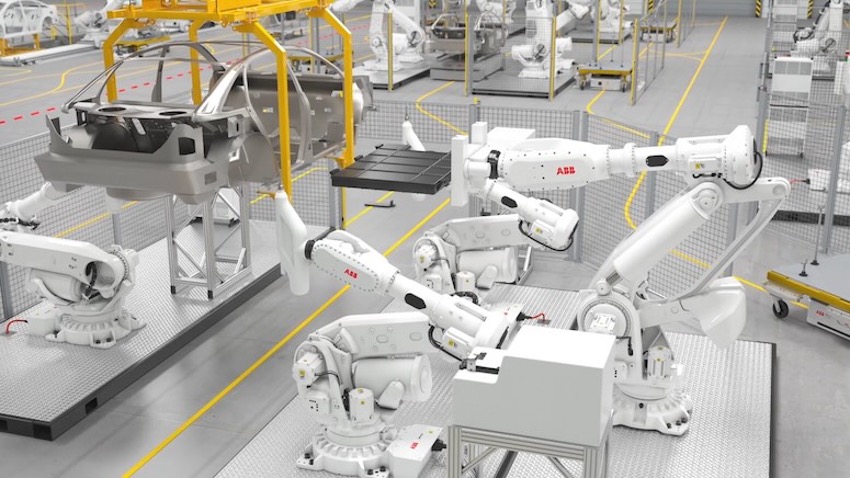
In many companies, the decision to automate is not held back by the cost of the robot or by floor space, but by a less visible—yet decisive—concern: technical dependency. The question is not always stated openly, but it quickly emerges in any investment committee: What happens when the supplier leaves? Robotic automation introduces powerful technology, … Read more
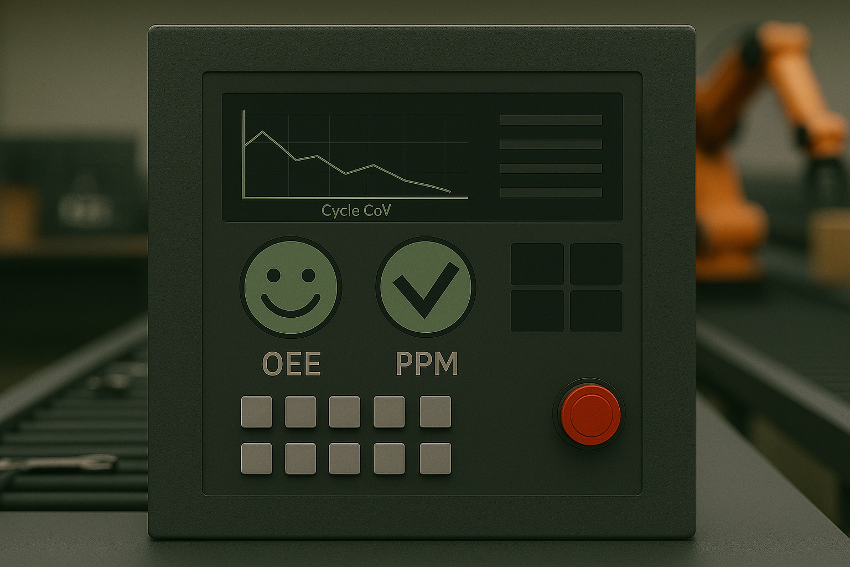
Justifying robotic automation without higher production volume

Industrial robot used to improve process stability without increasing production volume

In many industrial companies, robotic automation is no longer justified only by the need to produce more in less time. In mature plants, demand may already be stable and total output may not need to increase. In these cases, the main operational problem is often variability, not capacity. This creates a practical question for production … Read more

WHAT LEVEL OF PRECISION AND REPEATABILITY CAN I EXPECT FROM AN INDUSTRIAL ROBOT?

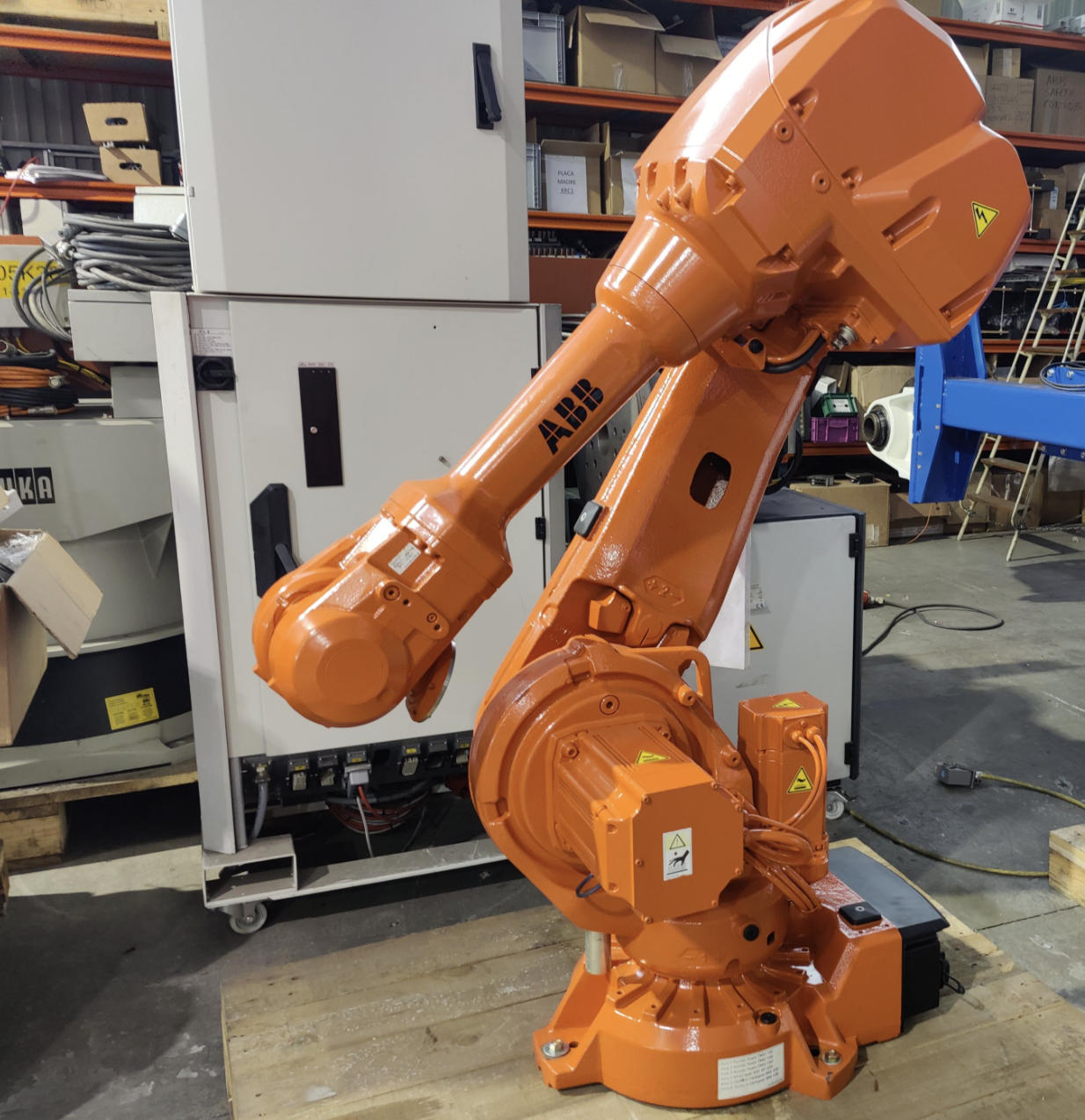
The difference between what the technical datasheets say and what actually happens on the shop floor “On paper it’s precise… but in real production?” One of the most frequent — and most honest — questions production teams ask is this: “Will the robot really be more precise than what we do today?” It’s not a … Read more

HOW FAR CAN I SCALE PRODUCTION WITHOUT REBUILDING THE ENTIRE CELL?

It’s a question that rarely appears at the beginning of a project. It usually comes after the first success: The cell works. Cycle times are stable. Quality is consistent. And for the first time, the team trusts the system. Then someone asks: “What if we double production?” It’s not an innocent question — it’s a … Read more

How does robotic automation affect industrial cybersecurity when robots are connected to corporate networks or the cloud?

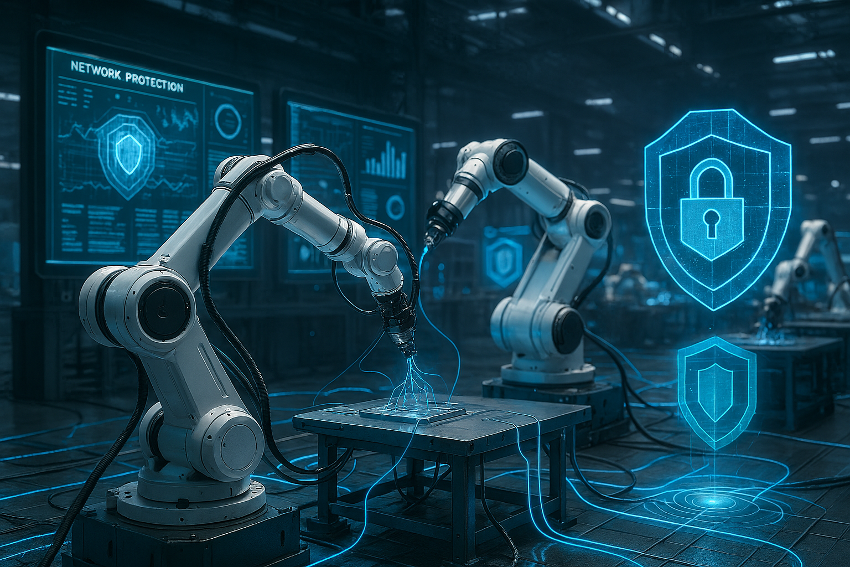
For a long time, industrial robots operated in isolated environments, disconnected from the rest of a company’s systems. Today, that reality has changed. The need for remote monitoring, production data collection, predictive maintenance and traceability has led to connecting robots to corporate networks and even cloud platforms. As a result, a relatively new concern has … Read more

The era of edge computing in robotic cells: how is it transforming automation?

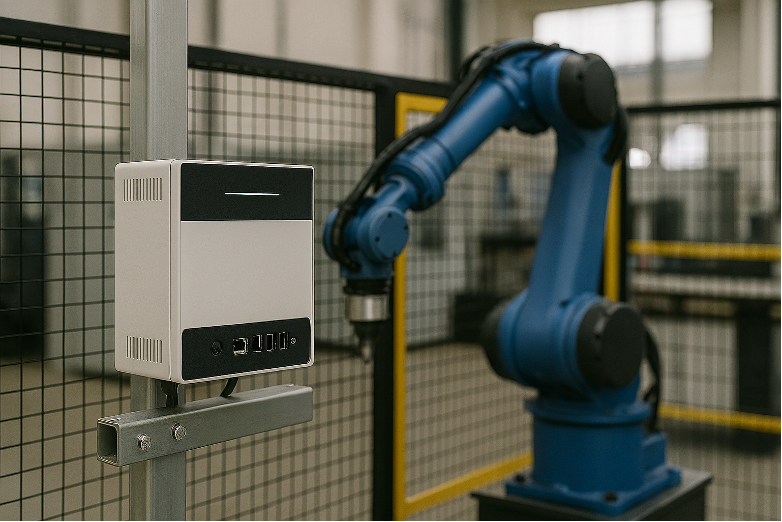
For decades, industrial robots relied on a centralized model in which all data was processed by a PLC or a main server. Today, thanks to edge computing, processing moves to the very edge of the system—closer to sensors, cameras, and actuators—allowing real‑time decision‑making without depending on the cloud. In other words, edge computing turns robotic … Read more

HOW DO I KNOW WHEN TO STOP OPTIMIZING AND START PRODUCING?

Some projects never fail: Because they never start! They live in a permanent state of improvement. Every week, the system becomes a little better than before—slightly more precise, a bit more elegant. There’s always something to tweak, something to polish, something that “before we start real production” should be optimized. The robot moves. The simulation … Read more

Does Automation Improve Quality Or Just Make The Same Mistake Faster?

There’s an awkward moment in some automation projects when no one really wants to look too closely at the first batches. The parts come out quickly. The robot never stops. Productivity indicators look great. And yet… something feels off. The defect that used to appear sporadically now shows up with impeccable regularity. There’s no debate: … Read more

New robots in manufacturing startups: the fast track to automation

For years, industrial robotics seemed reserved for large corporations with massive budgets. Today, that reality has changed. Advances in technology, easier programming, and flexible financing have made automation accessible even to manufacturing startups from their earliest stages. According to the International Federation of Robotics (IFR), over 30% of new industrial robot installations in 2024 were … Read more

TURNKEY SOLUTIONS: HOW URT DELIVERS FULLY OPERATIONAL CELLS READY FOR PRODUCTION

In today’s age of intelligent automation, the real advantage for industrial companies lies not just in acquiring advanced robots, but in integrating entire systems that encompass hardware, software, safety features, and operator training. URT exemplifies this approach by evolving from a simple supplier of industrial robots into a full-service integrator. They specialise in delivering turnkey … Read more