Which process should you robotize first to achieve the fastest ROI

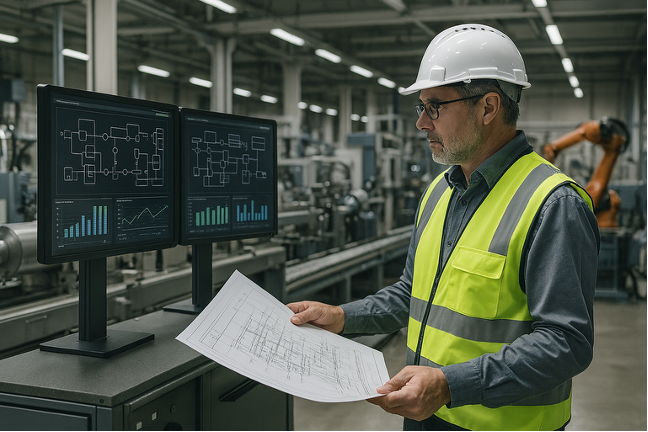
Production manager evaluating industrial automation process selection on a manufacturing floor

Choosing the first process to robotize in a manufacturing plant is one of the most consequential automation decisions a company makes — not because the first project is the largest, but because it sets the internal reference point for every project that follows. A first project that delivers clear, measurable results builds the organizational confidence … Read more

How Does Predictive Maintenance Influence the Reliability and Lifespan of Robotic Systems in Industrial Automation?

Not only the choice of the robot, but also its maintenance throughout its entire lifecycle, is a critical factor in achieving high performance within automated industrial production lines. To maximize the availability and reliability of automated systems, traditional maintenance approaches—whether preventive or reactive—are often not enough. For this reason, more and more industrial sectors are … Read more

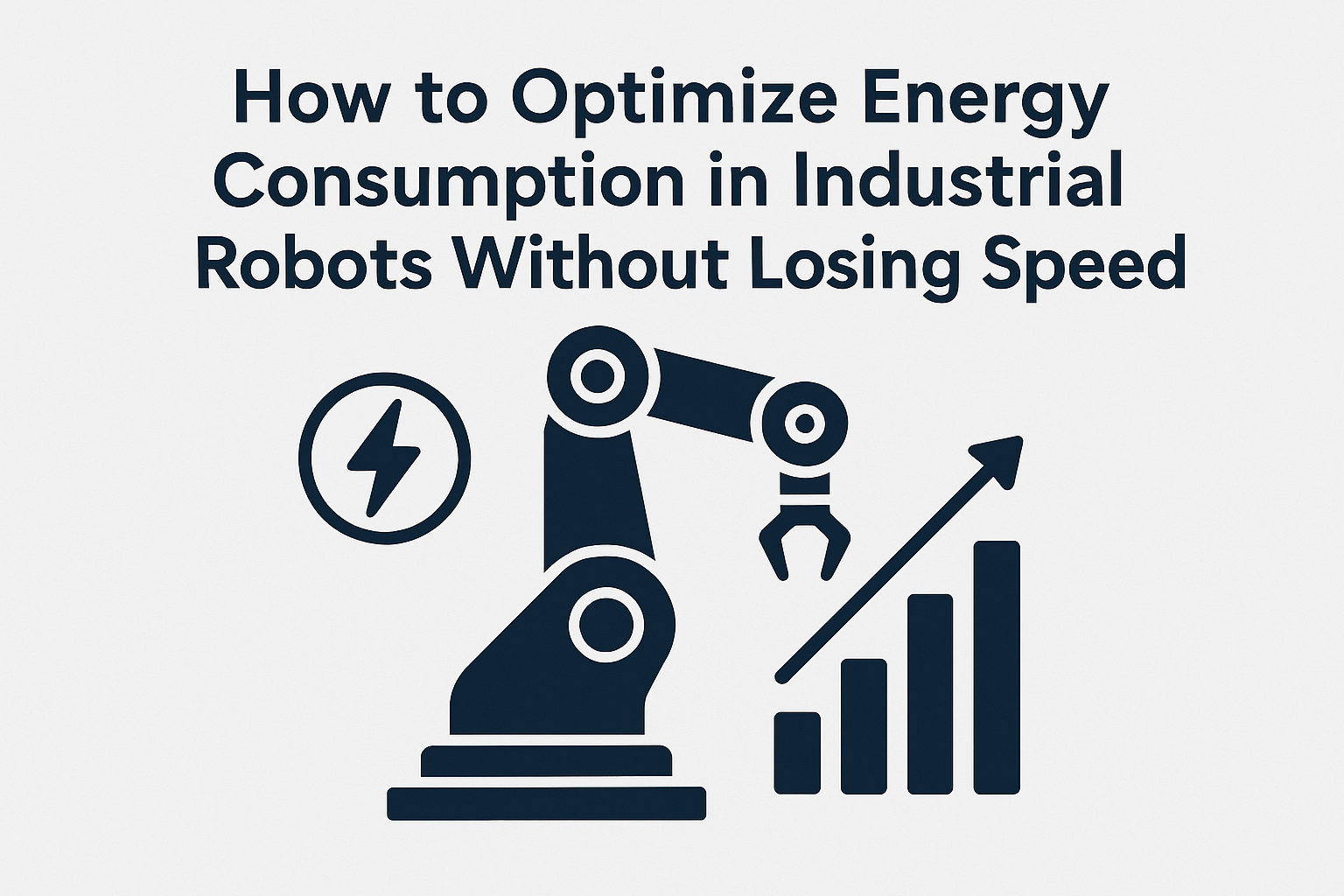
How to Optimize Energy Consumption in Industrial Robots Without Losing Speed

In many industrial environments, energy efficiency is often perceived as a trade‑off: lowering consumption usually means reducing performance. However, in modern robotic automation, this is no longer true. Optimizing the energy consumption of industrial robots without sacrificing speed, precision, or productivity is entirely achievable—as long as you address the right factors. The key is not … Read more

Can Your Process Become Collaborative Without Losing Productivity

Collaborative robotics has positioned itself as an attractive solution for many industries: promises of safety, flexibility, fast deployment, and the ability to work side by side with operators. However, on the shop floor a critical and completely legitimate question arises: How do I know if my process can truly become collaborative without sacrificing safety, production … Read more

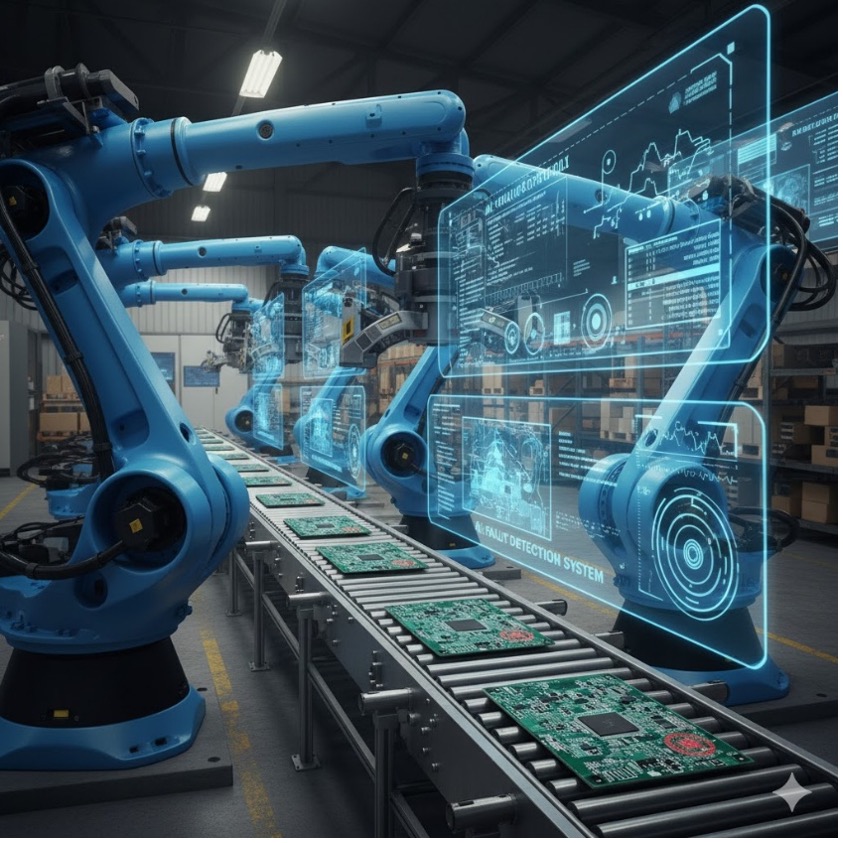
AI IN ROBOTIC ARMS FOR DETECTING PRODUCTION FAILURES

Failure detection in production has historically relied on a combination of human inspection, statistical controls, and traditional sensors. However, the increasing complexity of processes, the pressure to reduce scrap, and the need for real-time traceability have highlighted clear limits in these approaches. In this context, a frequently asked question on the shop floor is: How … Read more

How To Reduce Robot Programming Time In Industrial Automation

Industrial robot programming setup for reducing commissioning time

In many automation projects, the real bottleneck is not hardware selection or mechanical integration. It is robot programming. Fine adjustments, repeated trials, last-minute changes, and dependencies with PLCs, vision systems, fixtures, and operators often extend commissioning far beyond the original plan. For engineering and production managers, the practical question is not simply how to program … Read more

IS YOUR PROCESS TRULY READY FOR AUTOMATION WITH A REFURBISHED ROBOT?

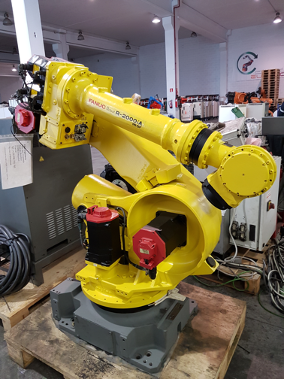
The truth is that not every industrial task benefits from robotic automation—and even fewer are genuinely compatible with a refurbished robot. The key lies in understanding whether your process meets the fundamental technical conditions that professionals use to evaluate automation projects: aspects such as geometry, repeatability, production volume, accessibility, safety, and the overall stability of … Read more

New robots in manufacturing startups: the fast track to automation

For years, industrial robotics seemed reserved for large corporations with massive budgets. Today, that reality has changed. Advances in technology, easier programming, and flexible financing have made automation accessible even to manufacturing startups from their earliest stages. According to the International Federation of Robotics (IFR), over 30% of new industrial robot installations in 2024 were … Read more

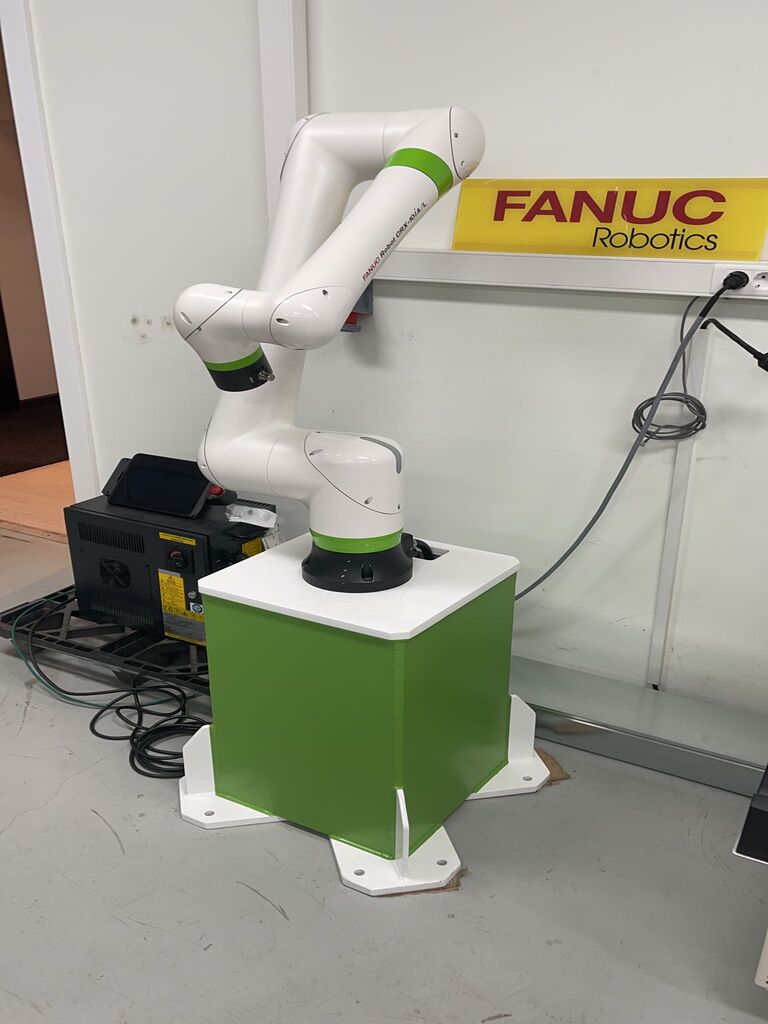
INTEGRATING COLLABORATIVE SAFETY IN HYBRID LINES: CHALLENGES AND BEST PRACTICES

In the modern factory, the best of two worlds comes together: the robustness of traditional industrial robots and the flexibility of collaborative robots, or cobots. This fusion—a hybrid human-robot line—offers great advantages but also raises critical challenges: safety, ergonomics, production flow, and adaptability to change. For brands like KUKA, ABB, or FANUC, which you manage … Read more

THE NEW CONCEPT OF THE RECONFIGURABLE FACTORY: HOW REFURBISHED ROBOTS CREATE ADAPTABLE AND MODULAR PRODUCTION LINES

For years, factories were designed as rigid systems: fixed lines, dedicated stations and layouts that barely changed for an entire decade. But the days of mass, stable production are now behind us. The new industrial economy demands flexibility, customisation and immediate responsiveness. Thus, the concept of the reconfigurable factory was born, where refurbished industrial robots … Read more