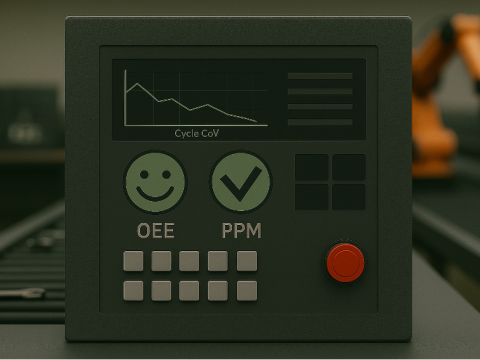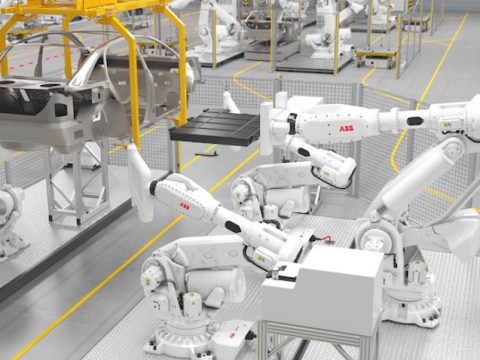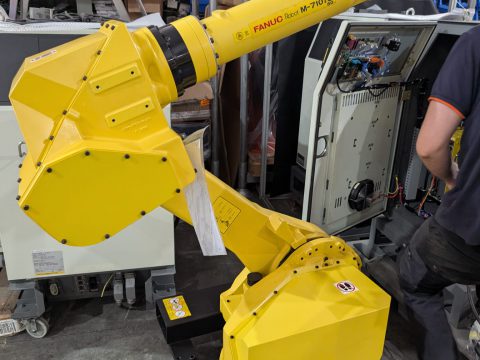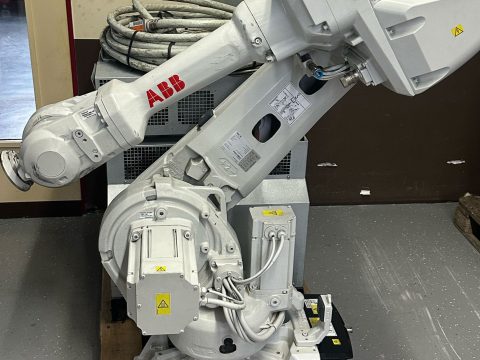
It’s a question that rarely appears at the beginning of a project. It usually comes after the first success: The cell works. Cycle times are stable. Quality is consistent. And for the first time, the team trusts the system. Then someone asks: “What if we double production?” It’s not an innocent question — it’s a
The truth is that not every industrial task benefits from robotic automation—and even fewer are genuinely compatible with a refurbished robot. The key lies in understanding whether your process meets the fundamental technical conditions that professionals use to evaluate automation projects: aspects such as geometry, repeatability, production volume, accessibility, safety, and the overall stability of
In an increasingly competitive industrial landscape, the choice between purchasing a brand-new industrial robot or opting for a refurbished one has become a crucial consideration for many manufacturing plants. This decision not only impacts the initial investment, but also factors such as ongoing maintenance, technological integration, installation speed and the overall sustainability of the project.
In today’s industrial environments, automation is no longer a luxury, but a necessity for staying competitive in terms of efficiency, safety, and cost. One of the areas with the greatest potential for improvement is material handling — from moving boxes and parts to feeding machines and palletizing products. However, before integrating a robot into your
In an increasingly automated industrial world—where robots are no longer a futuristic promise but a daily tool—having a skilled system integrator is not a luxury; it is a strategic necessity. Across industries, both large and small companies are embracing automation. They invest thousands or even millions in robotic arms, smart sensors, autonomous conveyors, and machine
In a competitive industrial environment, where efficiency and productivity are crucial for success, discovering hidden automation opportunities in your factory can be the key to making a qualitative leap in your operations. But how can you identify those areas that could benefit from automation and ensure effective implementation? This article explores the essential steps to