Tag Archives: robot maintenance

UPDATE AND MODERNIZATION OF INDUSTRIAL ROBOTS: WHEN DOES REFURBISHING MAKE MORE SENSE THAN BUYING NEW?

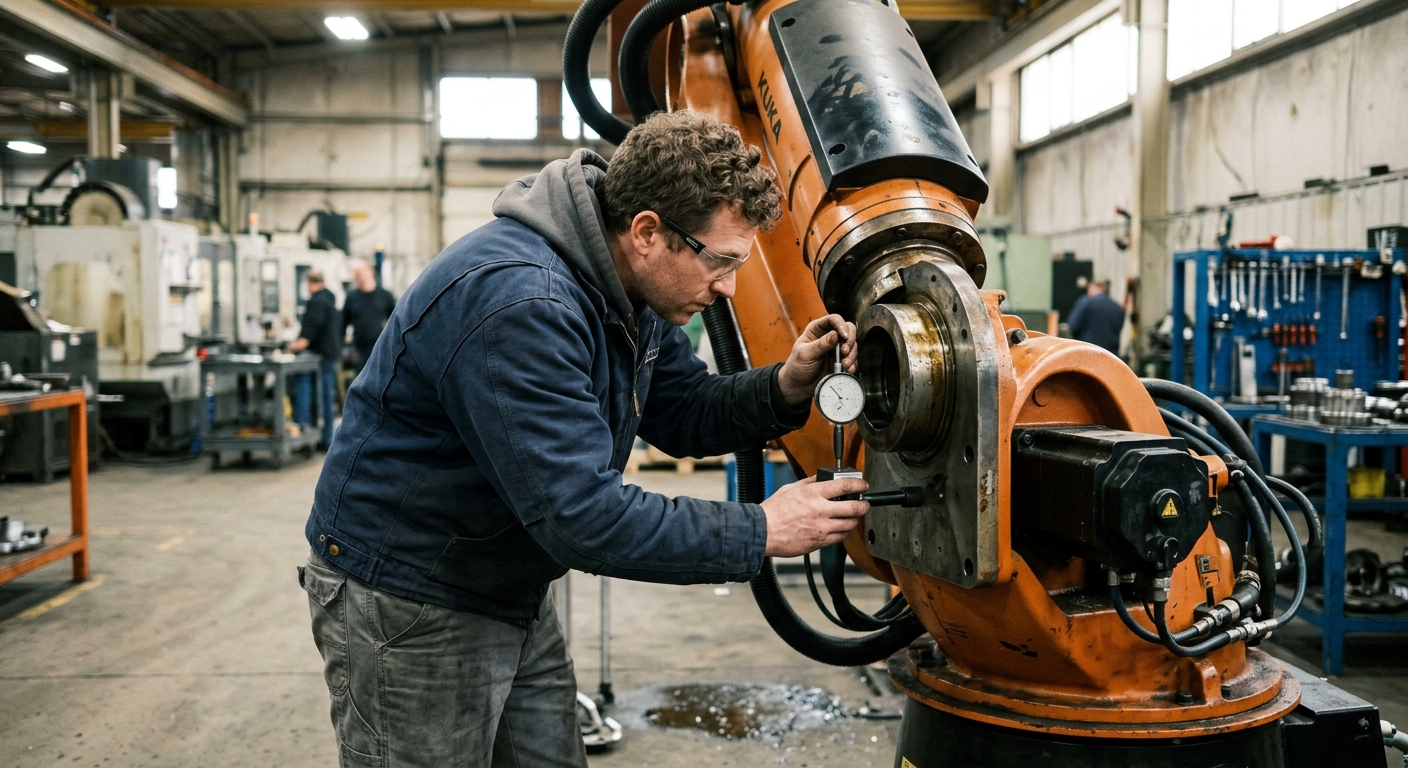
In many workshops, the same dilemma repeats itself: should you buy a new robot or modernize the one already installed? With advances in controllers, sensors, software, and mechatronics, older robots can be brought back to life effectively. The key is knowing when refurbishment makes sense— and when it’s time to replace. Why consider modernization? A

Read More

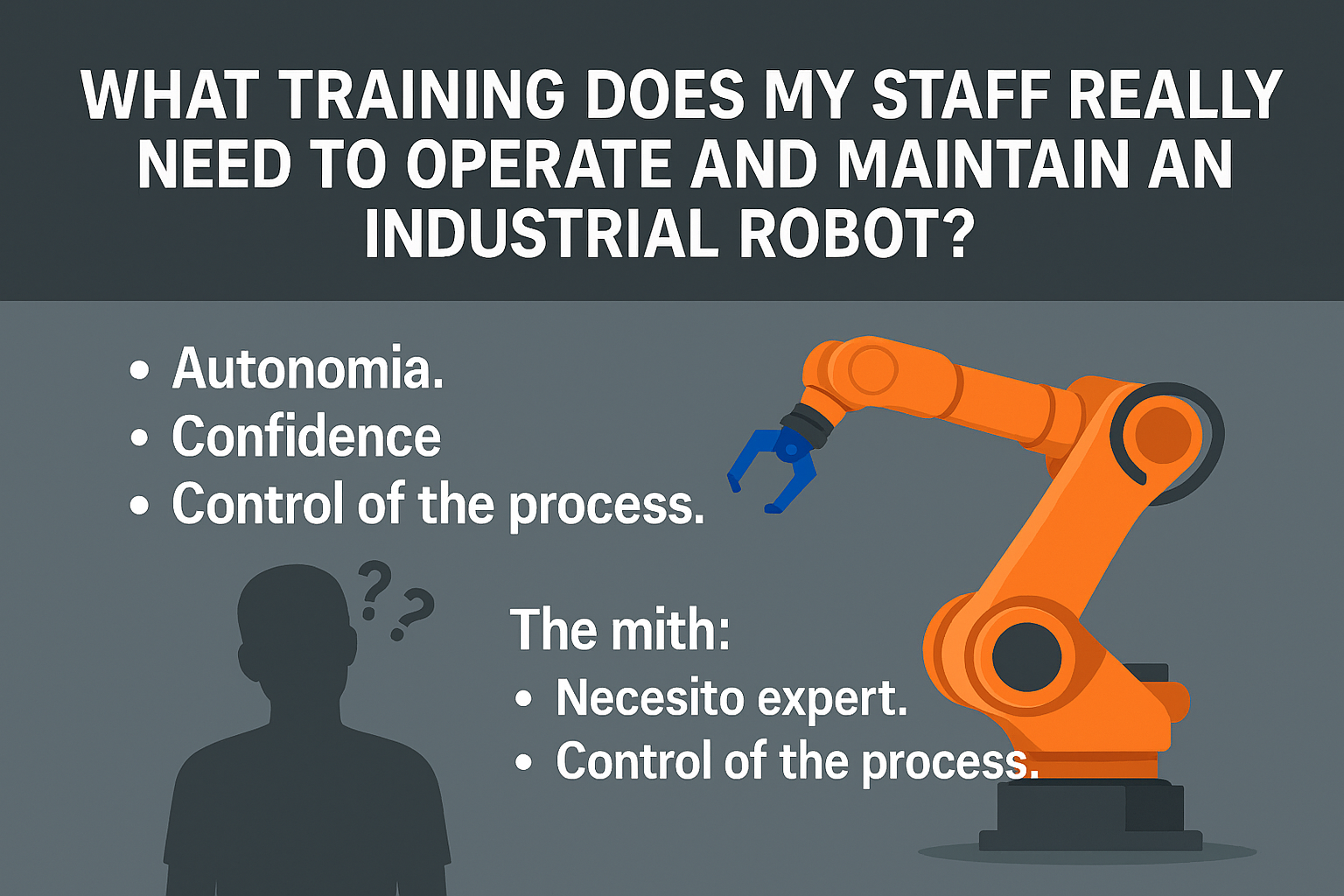
WHAT TRAINING DOES MY STAFF REALLY NEED TO OPERATE AND MAINTAIN AN INDUSTRIAL ROBOT?

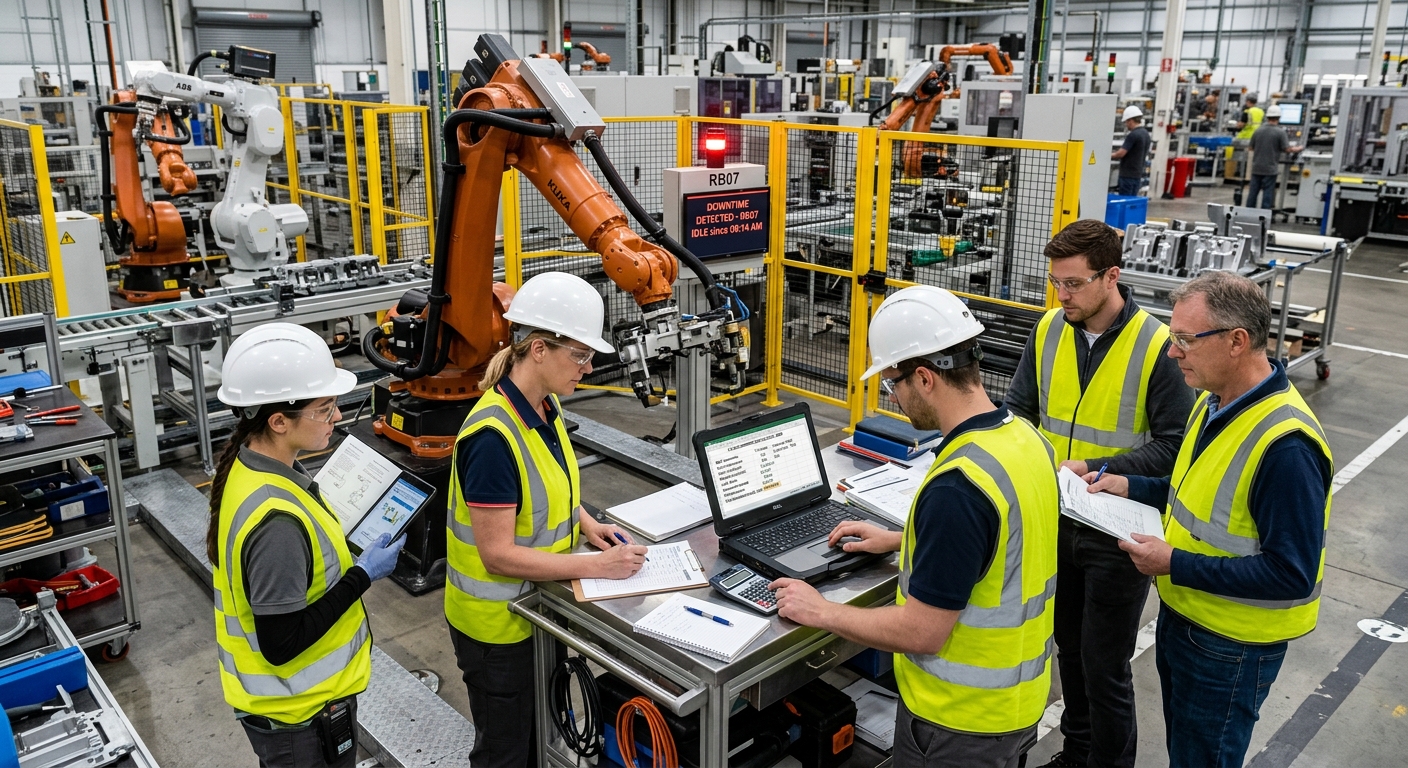
From the fear of depending on the integrator to true autonomy on the shop floor: “What if only they know how to make it work?” When an automation project is nearing its end, a silent concern often appears: “After the integrators leave, who keeps the knowledge?” It’s not a technical question. It’s a human question,

Read More

NEW VS REFURBISHED ROBOTS: WHEN IS EACH OPTION APPROPRIATE?

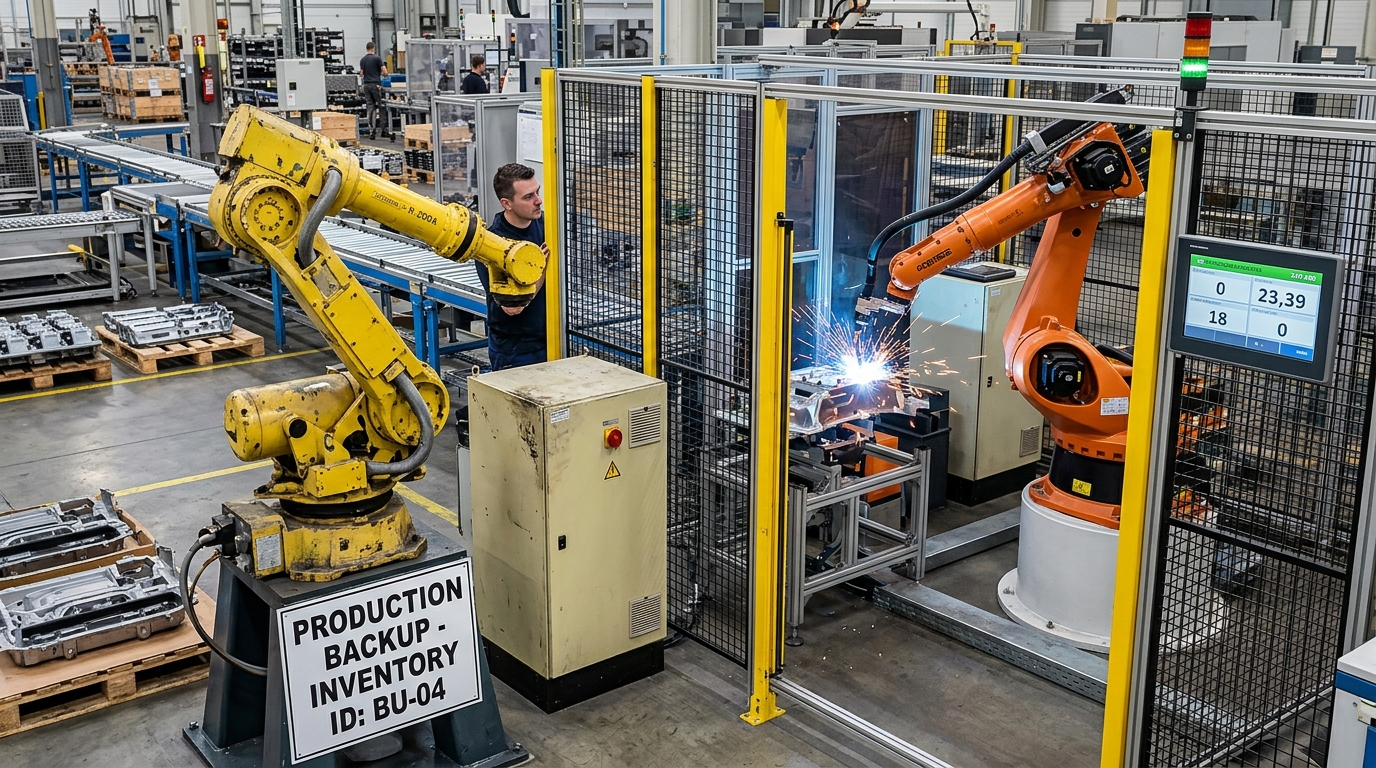
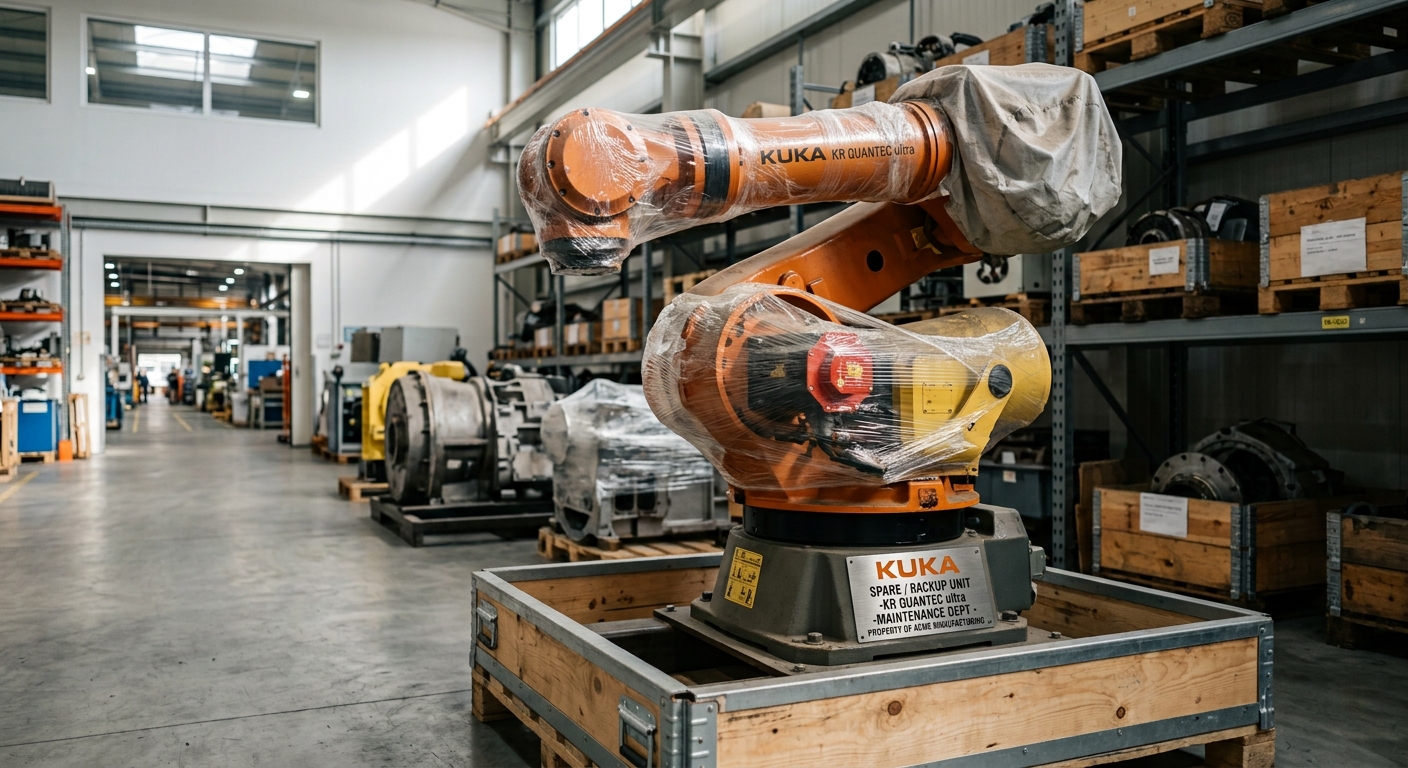
In an increasingly competitive industrial landscape, the choice between purchasing a brand-new industrial robot or opting for a refurbished one has become a crucial consideration for many manufacturing plants. This decision not only impacts the initial investment, but also factors such as ongoing maintenance, technological integration, installation speed and the overall sustainability of the project.

Read More

FANUC VS. YASKAWA MOTOMAN: KEY COMPARISON IN INDUSTRIAL ROBOTICS

In the world of industrial robotics, FANUC and Yaskawa Motoman have established themselves as two of the most recognized brands globally. Both companies offer robust and reliable solutions for a wide range of applications, from welding and assembly to palletizing and material handling. However, their technical approaches and design philosophies differ in ways that can

Read More

MODULAR ROBOTS: TECHNICAL ADVANTAGES FOR SCALABLE PRODUCTION SYSTEMS

Modular robot design is revolutionizing industrial automation by offering unprecedented flexibility and efficiency. This approach allows factories to quickly adapt to shifting market demands, streamline their processes, and reduce operational costs. What’s driving the change? The ability to easily reconfigure modular robots enables them to take on different tasks, making it easier for production lines

Read More