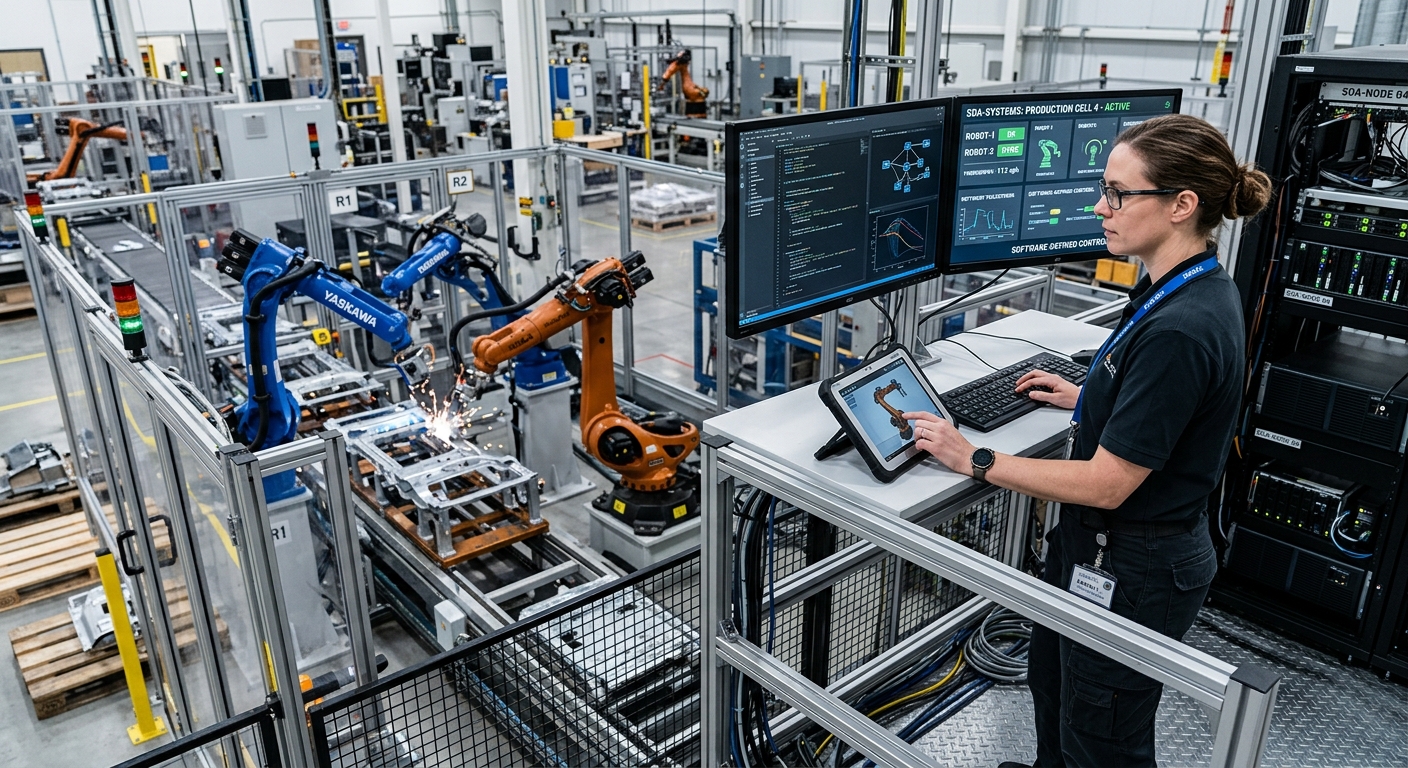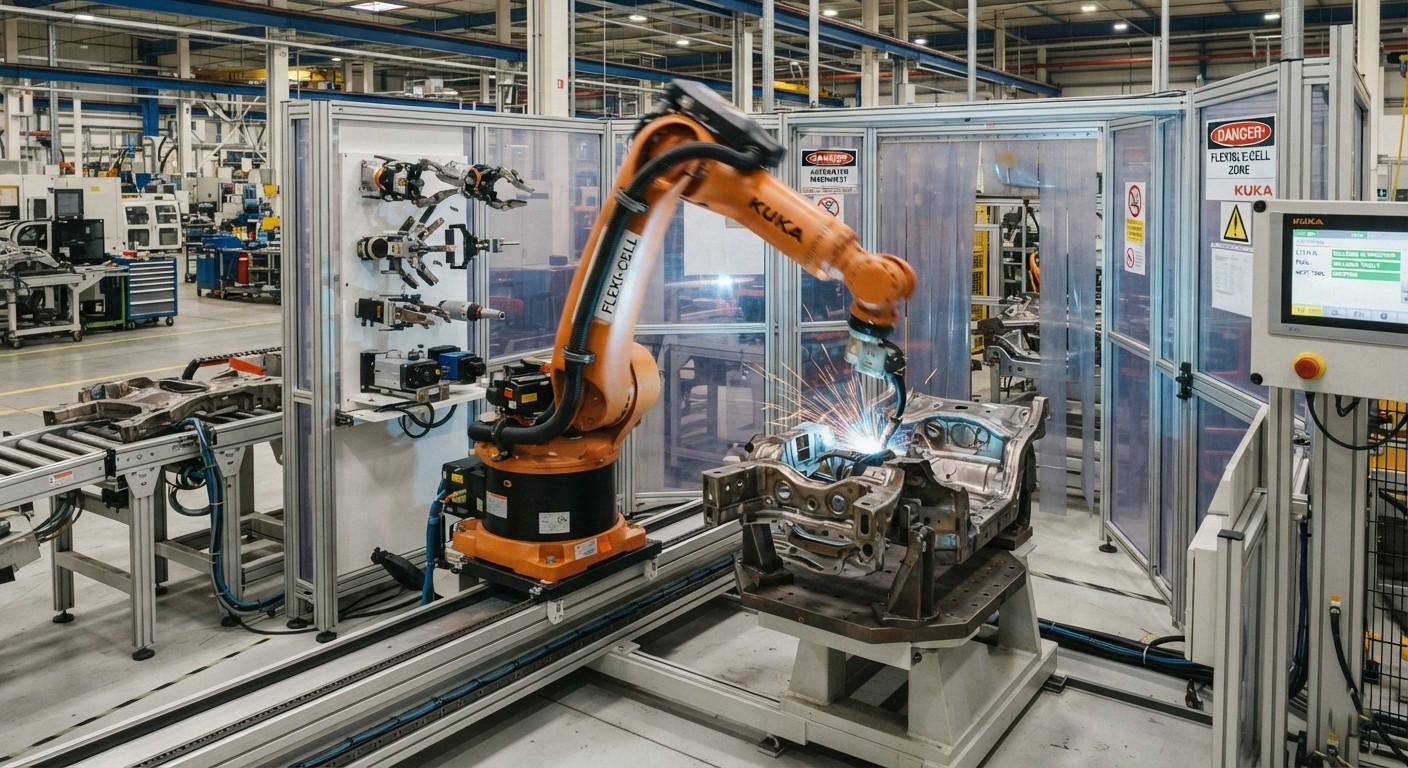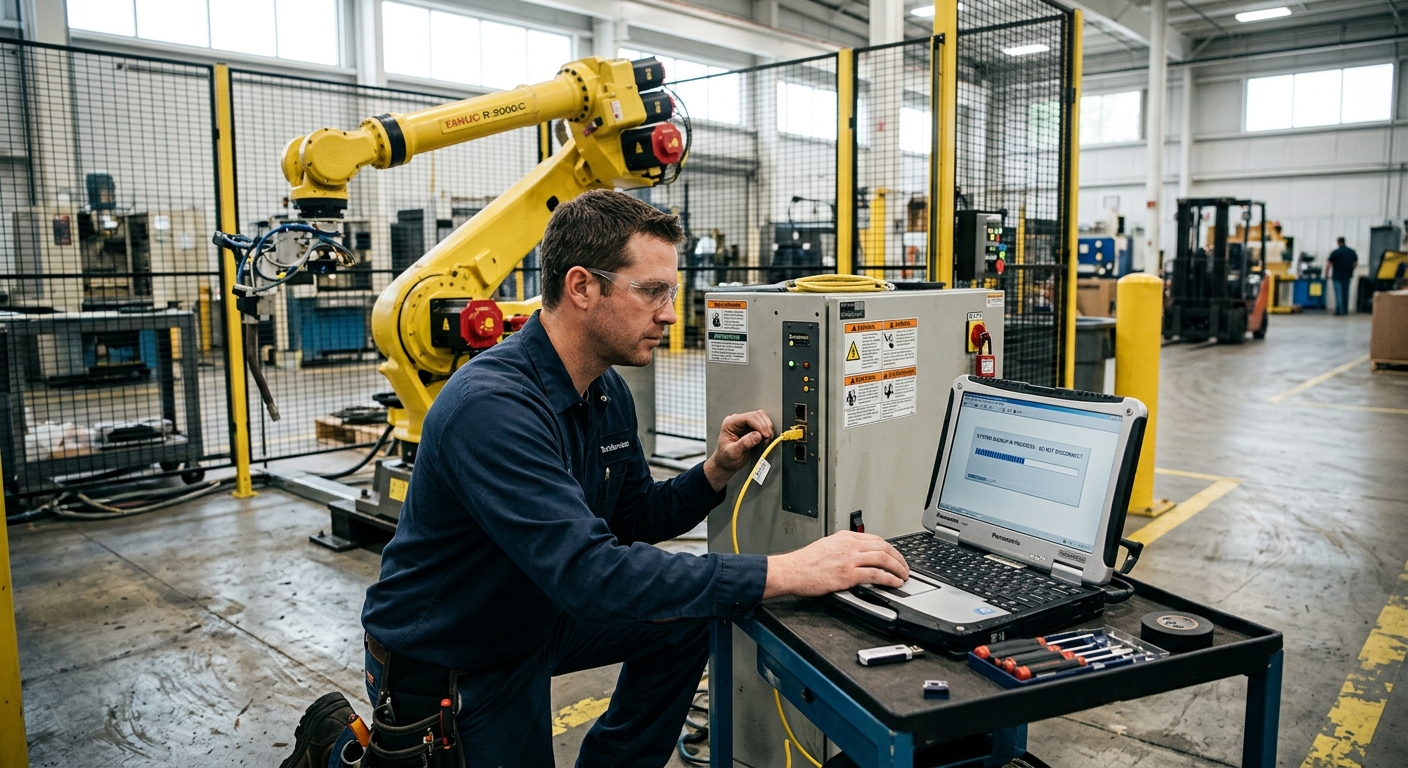
Which process should you robotize first to achieve the fastest ROI

Production manager evaluating industrial automation process selection on a manufacturing floor

Choosing the first process to robotize in a manufacturing plant is one of the most consequential automation decisions a company makes — not because the first project is the largest, but because it sets the internal reference point for every project that follows. A first project that delivers clear, measurable results builds the organizational confidence … Read more

Which robot to choose if your line handles multiple packaging formats

Industrial robot handling multiple packaging formats on an automated production line

Packaging lines that handle a single format are relatively straightforward to automate. The geometry is fixed, the gripper is optimized for one product, and the cell can be tuned to run at maximum efficiency. But in food, beverage, cosmetics, and consumer goods manufacturing, single-format lines are the exception, not the rule. Most production environments deal … Read more

How to know if a robot fits your plastic injection molding process

Industrial robot performing part extraction in a plastic injection molding cell

Plastic injection molding is one of the most automated manufacturing processes in existence — and also one where robotic cells are most frequently misapplied. The question is rarely whether a robot can be integrated into a molding operation. Technically, it almost always can. The question that actually determines whether the project delivers value is more … Read more

How to robotize CNC machine loading and unloading without creating bottlenecks

Industrial robot performing CNC machine tending — loading a part into a machining center

Robotic CNC machine tending is one of the most common entry points into industrial automation for machining operations — and one of the most frequently misexecuted. The technical side of CNC machine tending is well understood: a robot loads a blank into the machine, the CNC runs its cutting cycle, the robot extracts the finished … Read more

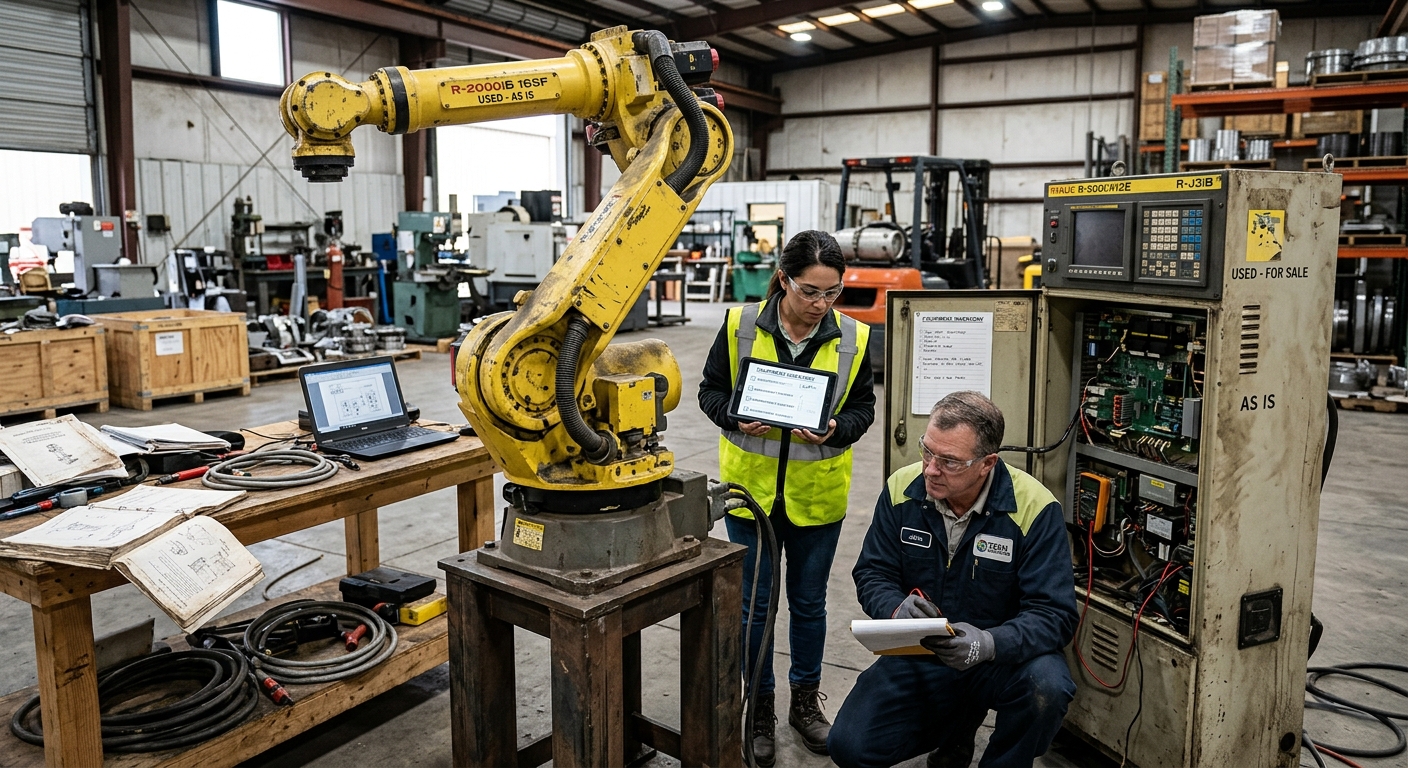
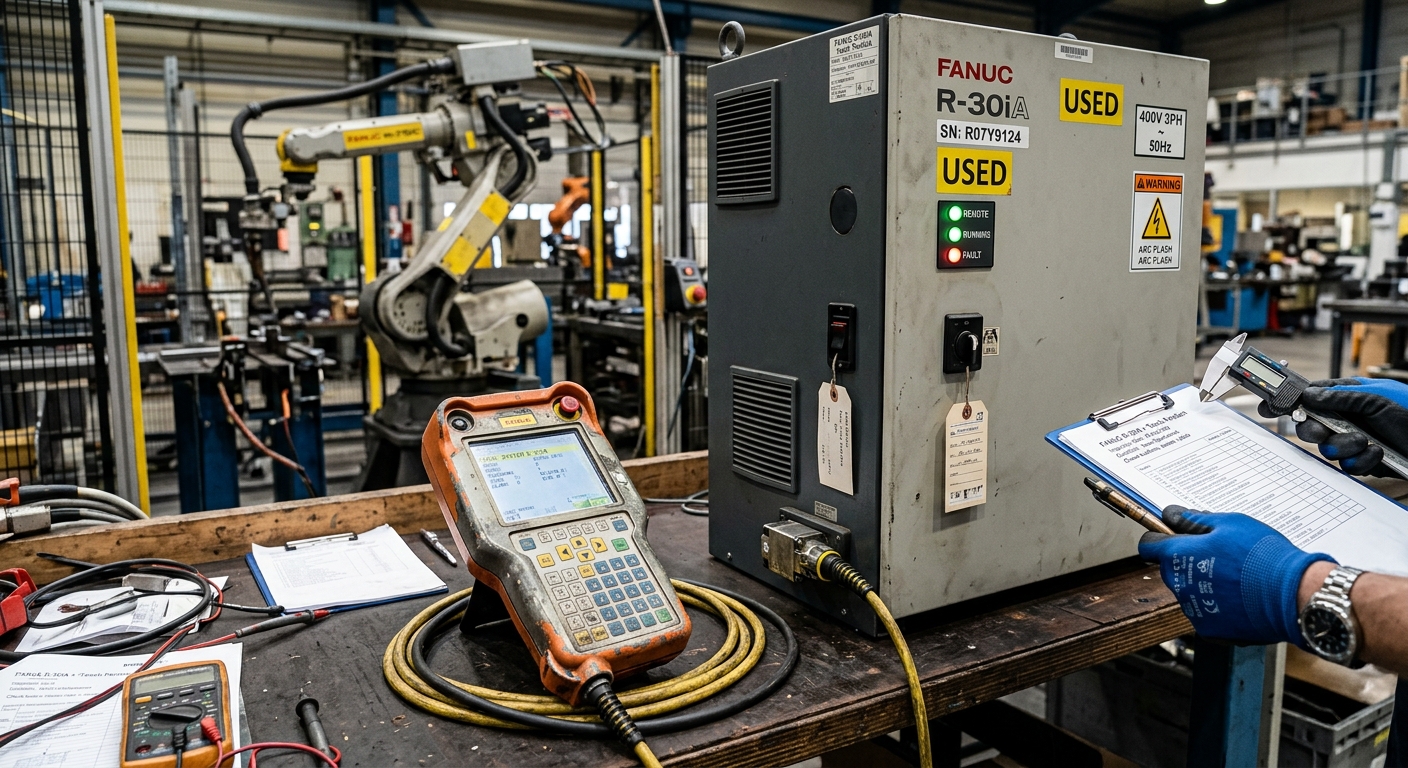
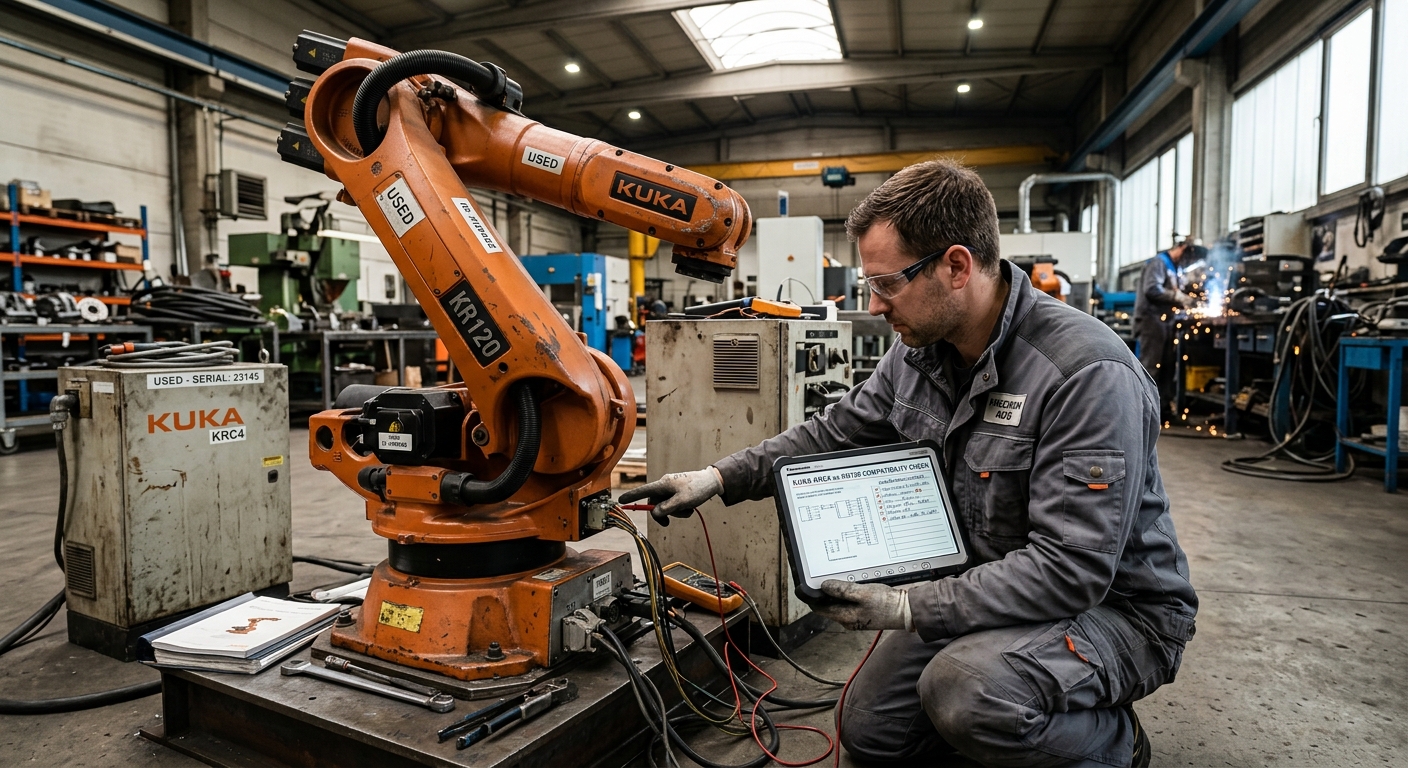
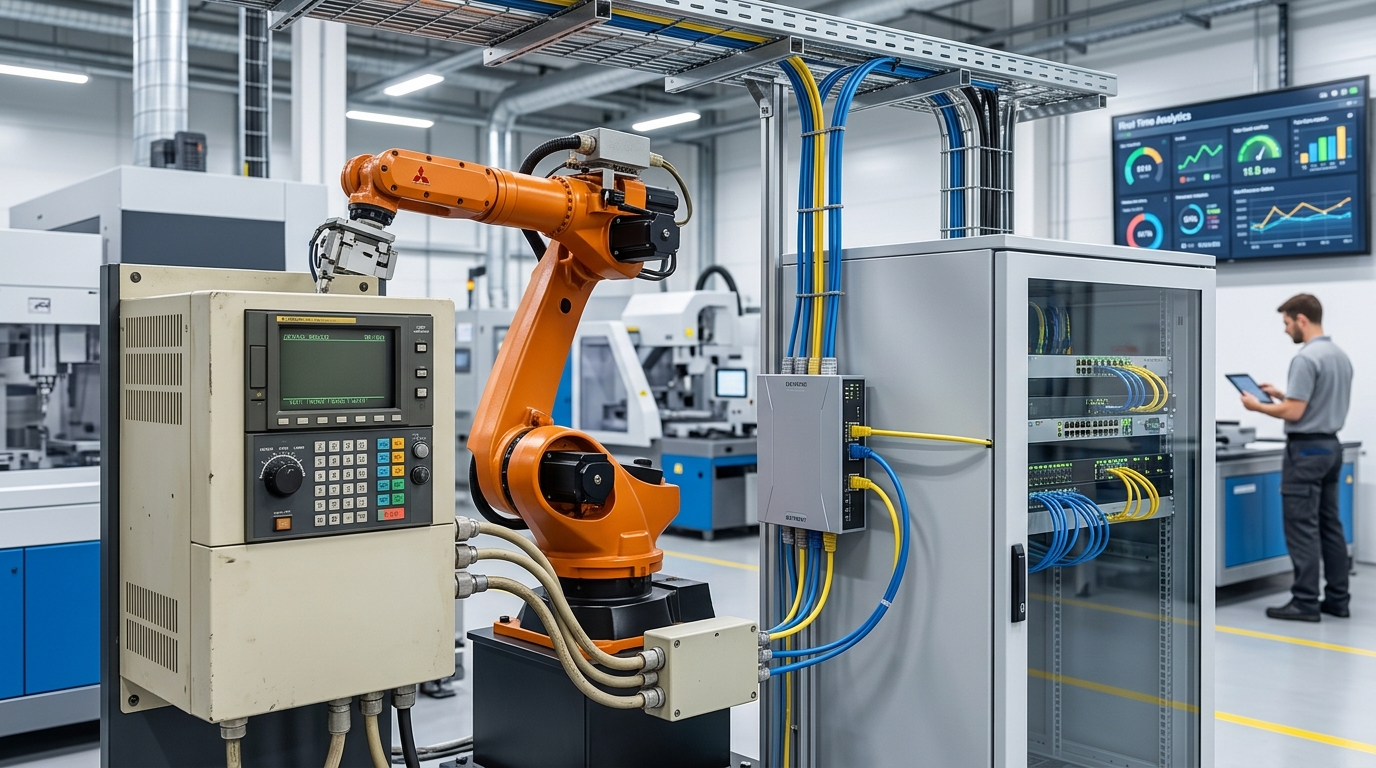
How to evaluate the compatibility of a refurbished robot with the existing automation systems in my plant?

Engineer evaluating refurbished robot controller compatibility with existing factory automation systems

Refurbished robot compatibility with existing automation systems is one of the most frequently underestimated aspects of a used robot purchase. According to the International Federation of Robotics, integration complexity — not robot performance — is the primary reason robotic automation projects run over budget or past their commissioning timeline. The mechanical condition of the robot … Read more

Update and modernization of industrial robots: when does refurbishing make more sense than buying new?

In many workshops, the same dilemma repeats itself: should you buy a new robot or modernize the one already installed? With advances in controllers, sensors, software, and mechatronics, older robots can be brought back to life effectively. The key is knowing when refurbishment makes sense— and when it’s time to replace. Why consider modernization? A … Read more

Can Your Process Become Collaborative Without Losing Productivity

Collaborative robotics has positioned itself as an attractive solution for many industries: promises of safety, flexibility, fast deployment, and the ability to work side by side with operators. However, on the shop floor a critical and completely legitimate question arises: How do I know if my process can truly become collaborative without sacrificing safety, production … Read more

Robots in Precision Agriculture: Affordable Technology with Refurbished Units

Modern agriculture faces a major challenge: producing more with fewer workers and with rising operational costs. Automation is no longer a luxury—it is a necessity. However, many medium and small farmers still believe robotic technology is beyond their reach. The reality is very different: refurbished industrial robots are opening a new era in precision agriculture, … Read more

How to Calculate the Real ROI When Replacing a CNC Machine with a Robot + Spindle

Robotic milling cell with industrial robot and high-speed spindle machining a part

Replacing a CNC machine with a robotic milling cell is not a simple upgrade decision. It is a strategic one. The financial case depends heavily on which specific costs and benefits are included in the calculation — and many standard ROI comparisons leave out the variables that most often determine whether the investment makes sense. … Read more

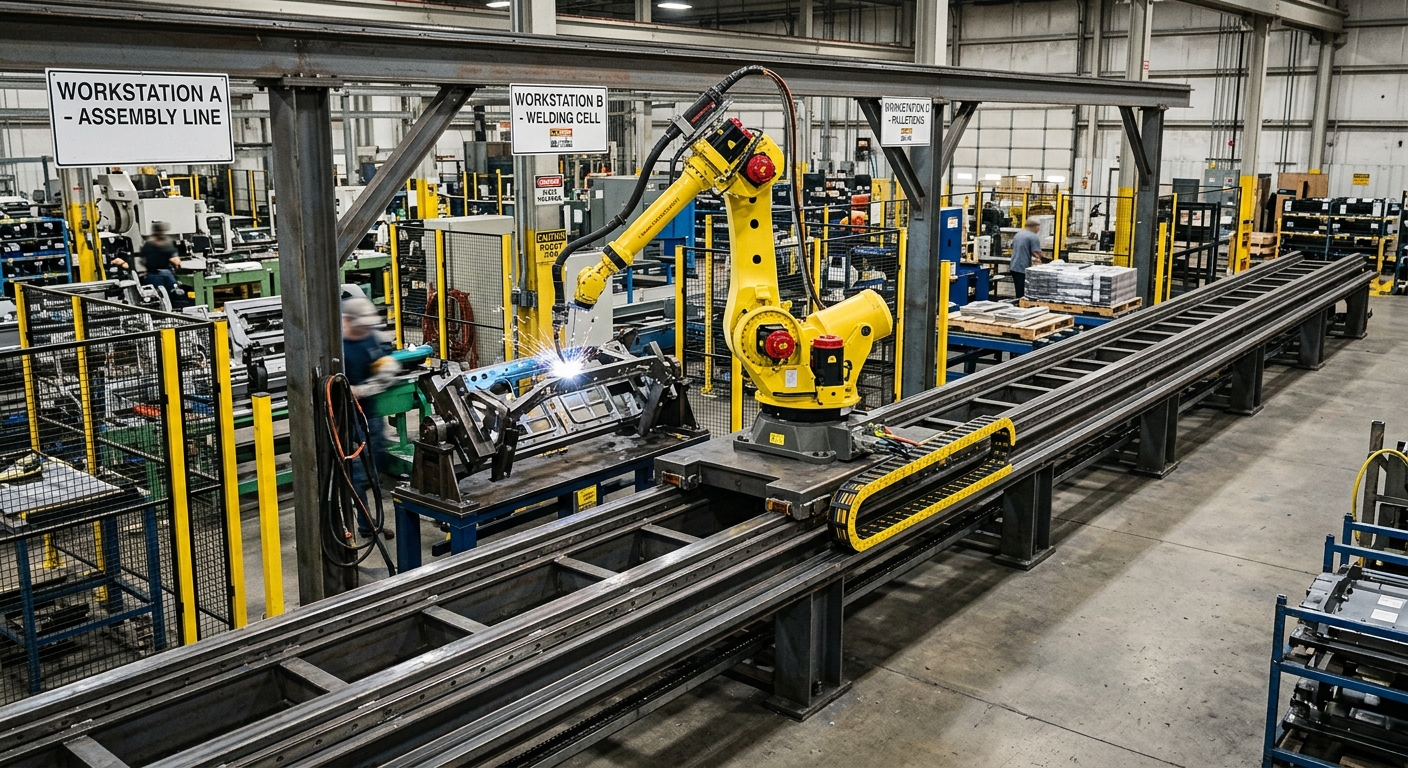
What is the total cost of investing in a robotic welding solution, including the robot, integration, software, and training?

Robotic welding cell with industrial robot, welding torch, and positioner in a manufacturing facility

When companies ask about robotic welding cost, they usually mean the price of the robot itself. That is a natural starting point — but it captures only 25 to 35 percent of the real investment. The remaining 65 to 75 percent goes to everything that makes the robot actually weld: integration, welding equipment, programming, training, … Read more