The CL Series from Kawasaki Robotics has revolutionized the world of collaborative automation, offering a unique combination of industrial performance and human safety. But what makes these cobots so special? Let’s take a closer look at their technical features and their impact on the production sector. Technical Features of the CL Series The CL series
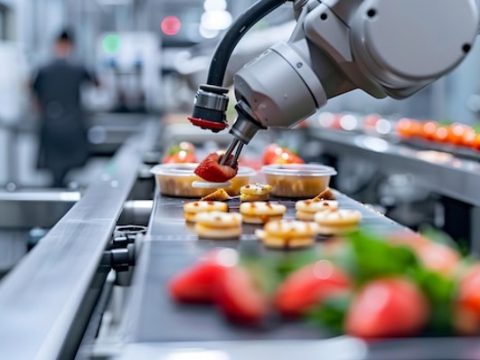
In the food industry, hygiene and efficiency are crucial to ensuring food safety and consumer satisfaction. Robotic washing has emerged as an innovative solution to maintain high standards of cleanliness in food handling environments. This article explores how robotic washing is transforming the food industry, highlighting specific examples of robots used in this process. The
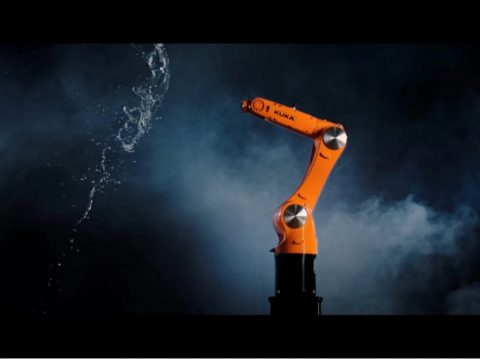
In the dynamic world of industrial robotics, adaptability has become a key feature for any automated system. KUKA robots, known for their precision and efficiency, have taken a step further by incorporating advanced capabilities that allow them to adapt to environmental conditions in industrial production processes. One of the main strengths of KUKA robots is
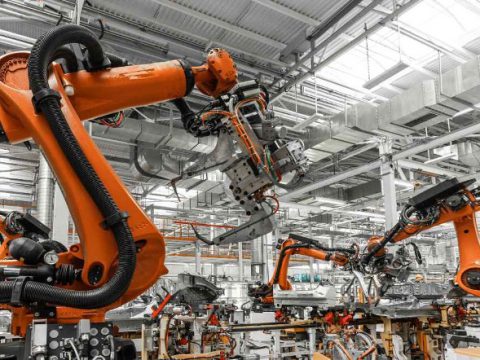
In the era of Industry 4.0, manufacturing has evolved dramatically thanks to the integration of industrial robots. These advances have enabled companies not only to increase efficiency and productivity, but also to open the door to customised production and flexible manufacturing, concepts that were almost unthinkable a few decades ago. Here we explore how industrial
Numerous industries, from manufacturing to healthcare to transportation, have been transformed by advances in robotics technology. Robotic arms have become an important part of industrial processes, allowing automated tasks to be more efficient and accurate. The tools used at the end of the arm are essential for industrial robots to function properly. Traditional challenges in