When Automating Electronic Assembly Creates Value, and When Precision Demands a Different Approach

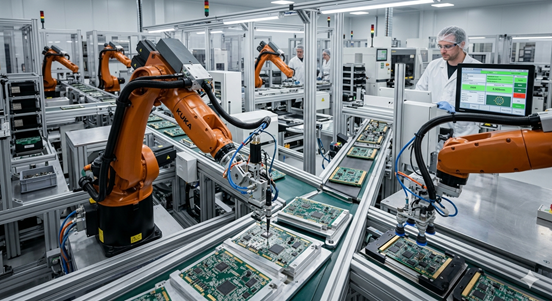
Industrial robot assembling small electronic components in a manufacturing environment

Why Small Parts Are Not Automatically Good Candidates for Automation The decision to automate electronic assembly is often driven by a simple assumption: if a task is repetitive and involves small components, a robot should perform it better than a human operator. In practice, the situation is more complex. Small part size alone does not … Read more

When Robotic Inspection Improves Quality, and When It Adds Complexity

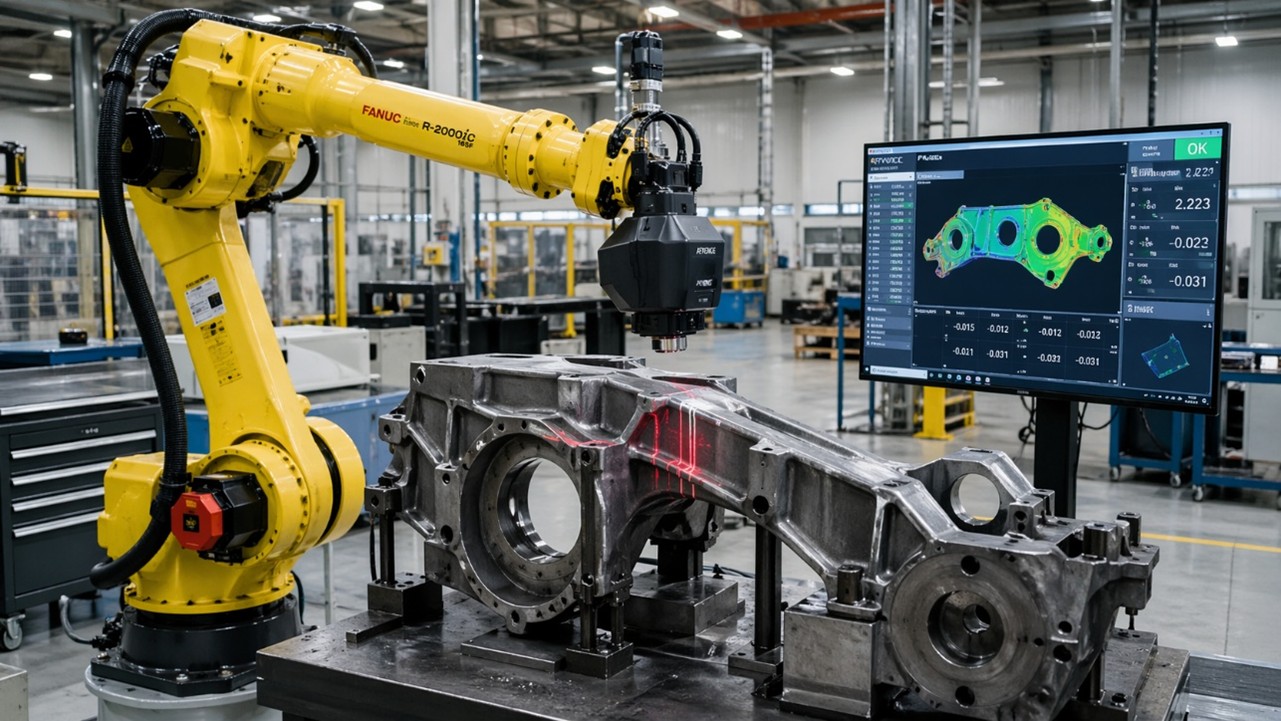
Industrial robot performing dimensional inspection of manufactured components on a factory floor

Why Measurement Automation Is Often Evaluated for the Wrong Reason The question is not whether a robot can move a measurement device around a part. The real question is whether the production environment can support reliable measurement results without introducing new sources of variation. Many manufacturers evaluate robotic inspection because labor is difficult to find … Read more

Robotic Milling vs Manual Milling: When Automation Creates Real Production Advantages

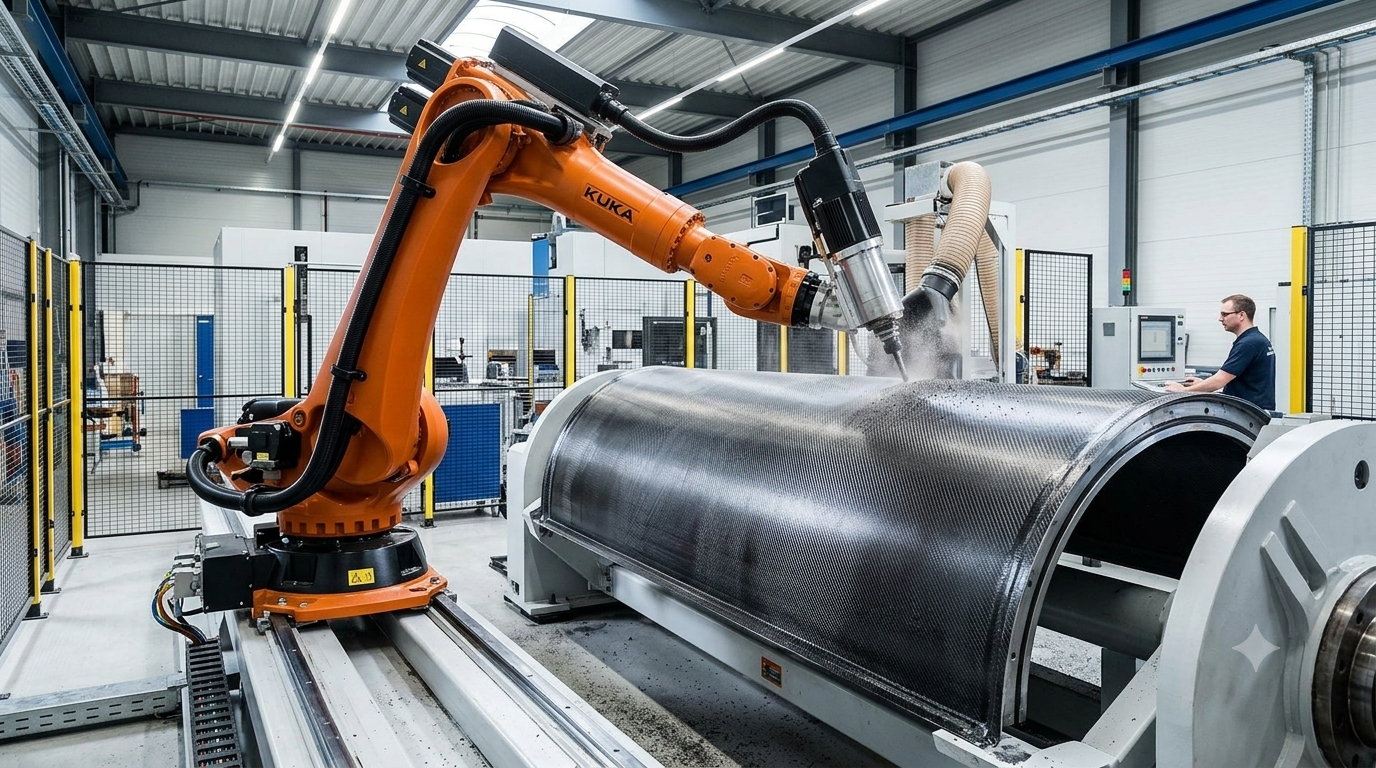
Industrial robot performing robotic milling on a large composite component

The Question Is Not Whether a Robot Can Mill a Part The question is whether robotic milling creates a better production outcome than the manual process currently being used. Many manufacturers evaluate robotic milling because they want to reduce labor dependency, improve consistency, or increase throughput. Others are dealing with large parts that are difficult … Read more

Electronic Assembly Automation With Industrial Robots

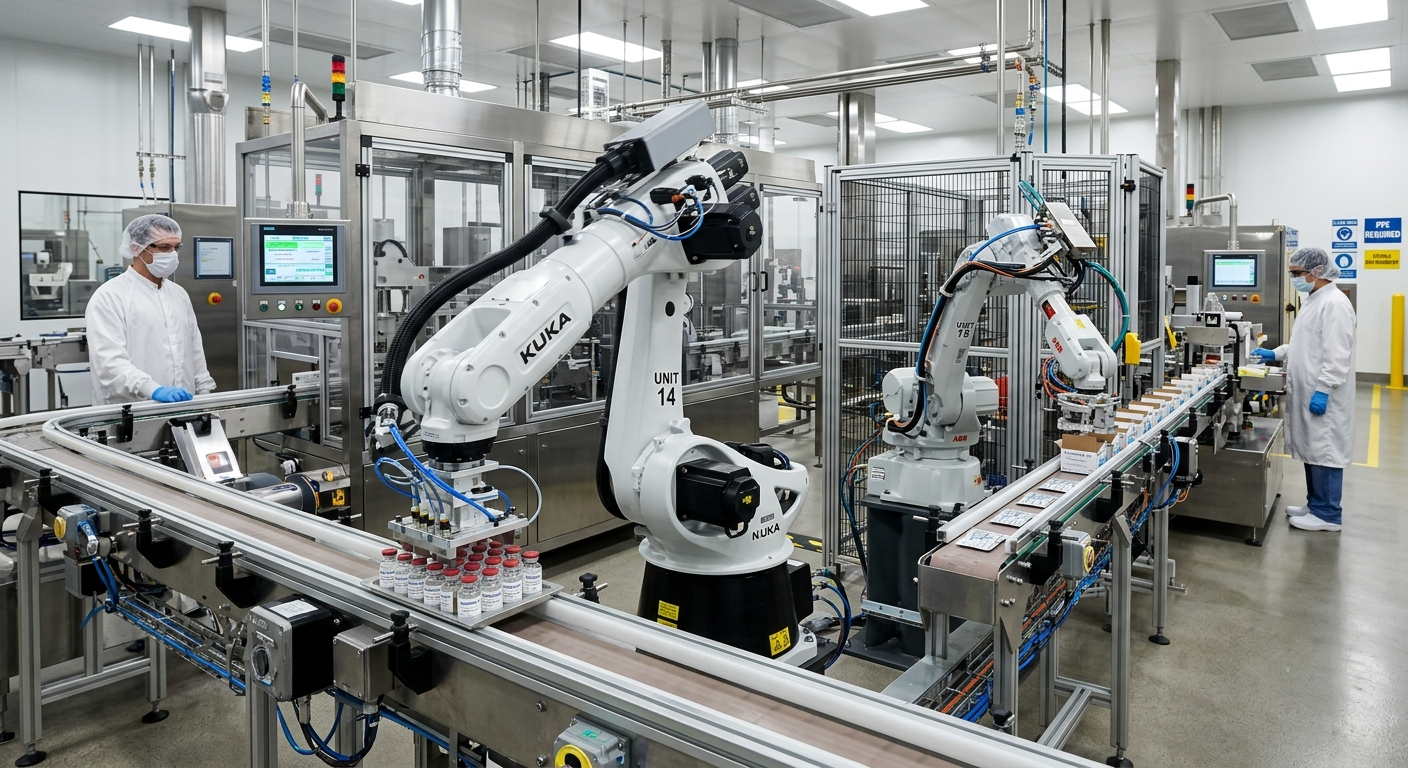
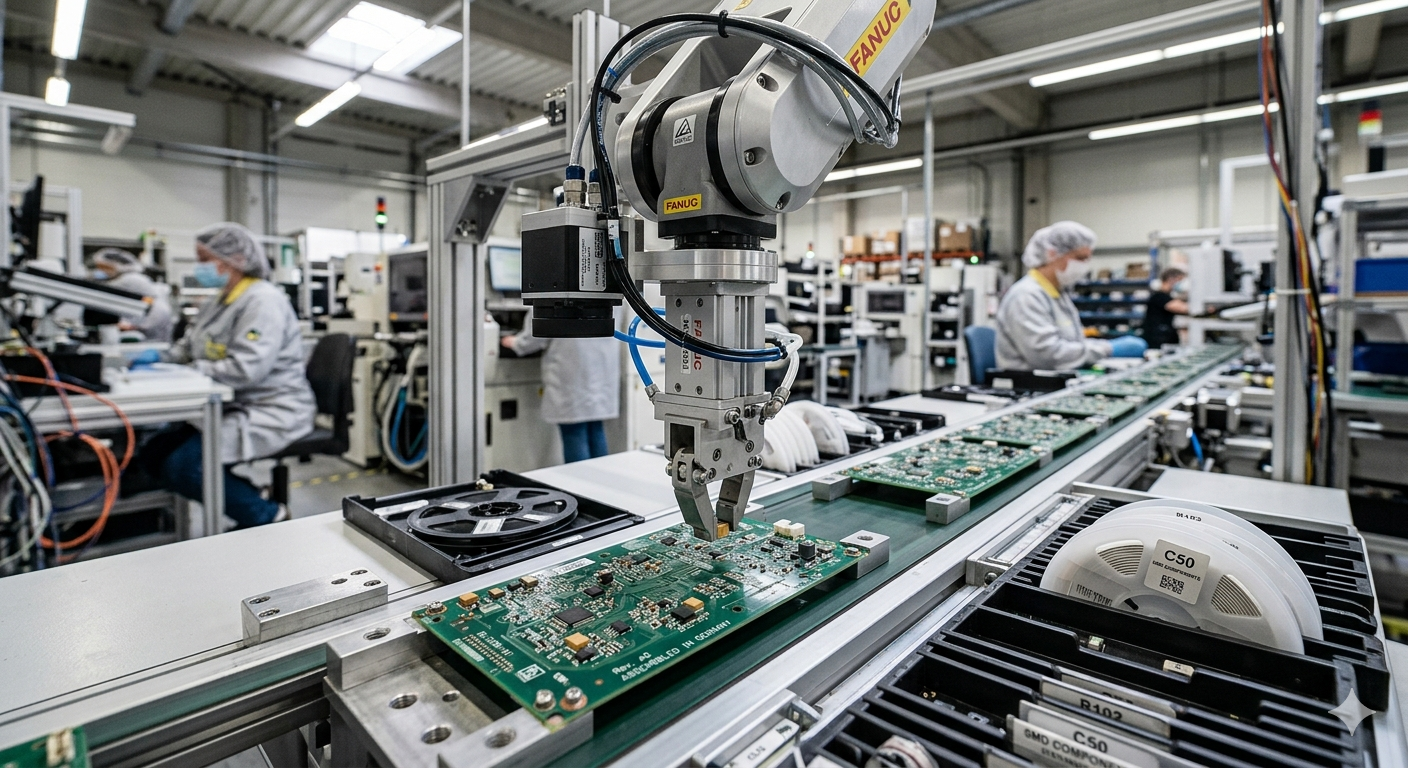
Industrial robot assembling small delicate electronic components on a production line

Why Small-Part Electronic Assembly Is More Difficult Than It Looks The question is not whether industrial robots can assemble small electronic components. The question is whether the production process is stable enough for robotic handling to remain reliable over thousands of cycles without creating alignment problems, component damage, or intermittent quality failures. Electronic assembly automation … Read more

Industrial Robots for Metrology in Production

Industrial robots for metrology are beneficial when a plant requires more consistent data collection, frequent inspection, and better integration between production and quality. Are industrial robots for metrology worth it? Yes, industrial robots for metrology are worth it when companies need frequent, repeatable measurements directly in production to detect deviations early and improve process control. … Read more

How to Choose the Right Gripper for an Industrial Robot: Complete EOAT Guide

How to choose the right gripper for an industrial robot is a critical question in industrial automation. The correct selection directly affects productivity, safety, cycle time, quality, and return on investment. Choosing a gripper or end‑of‑arm tool (EOAT) requires analyzing the application, the part, weight, geometry, surface, environment, cycle time, precision, and how the robot … Read more

How Robotic Milling Works and When It Beats Manual Processes

Robotic milling has become an increasingly discussed topic in industrial manufacturing, particularly in sectors where part size, geometry, and variability make traditional manual processes difficult to control. While robotic milling is not a universal replacement for machine tools, it can be a highly effective alternative when companies need flexibility, reach, and repeatability that manual operations … Read more

FANUC M‑410iC/110 Palletizing Robot: Efficiency in Logistics

Palletizing is one of the most repetitive, physically demanding, and operationally critical activities within industrial supply chains. Whether in food and beverage, consumer goods, automotive, or logistics hubs, the way products are stacked, stabilized, and prepared for shipment has a direct impact on throughput, safety, and distribution reliability. In recent years, increasing labor shortages, higher … Read more

What logistics considerations should be taken into account when automating material handling processes with robots?

Automating material handling with robots requires more than simply selecting the right robot. It also involves organizing how materials are transported, stored, moved, and managed throughout your factory or logistics center. Material handling covers everything from the arrival of raw materials to internal material flow and the outbound shipment of finished products. Poorly designed automation … Read more

Which robot to choose if your line handles multiple packaging formats

Industrial robot handling multiple packaging formats on an automated production line

Packaging lines that handle a single format are relatively straightforward to automate. The geometry is fixed, the gripper is optimized for one product, and the cell can be tuned to run at maximum efficiency. But in food, beverage, cosmetics, and consumer goods manufacturing, single-format lines are the exception, not the rule. Most production environments deal … Read more