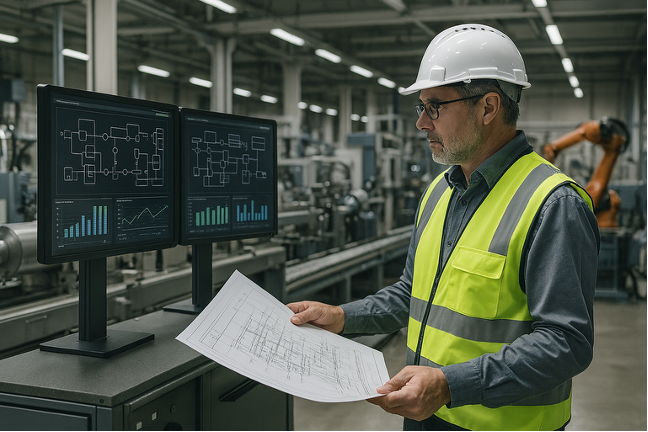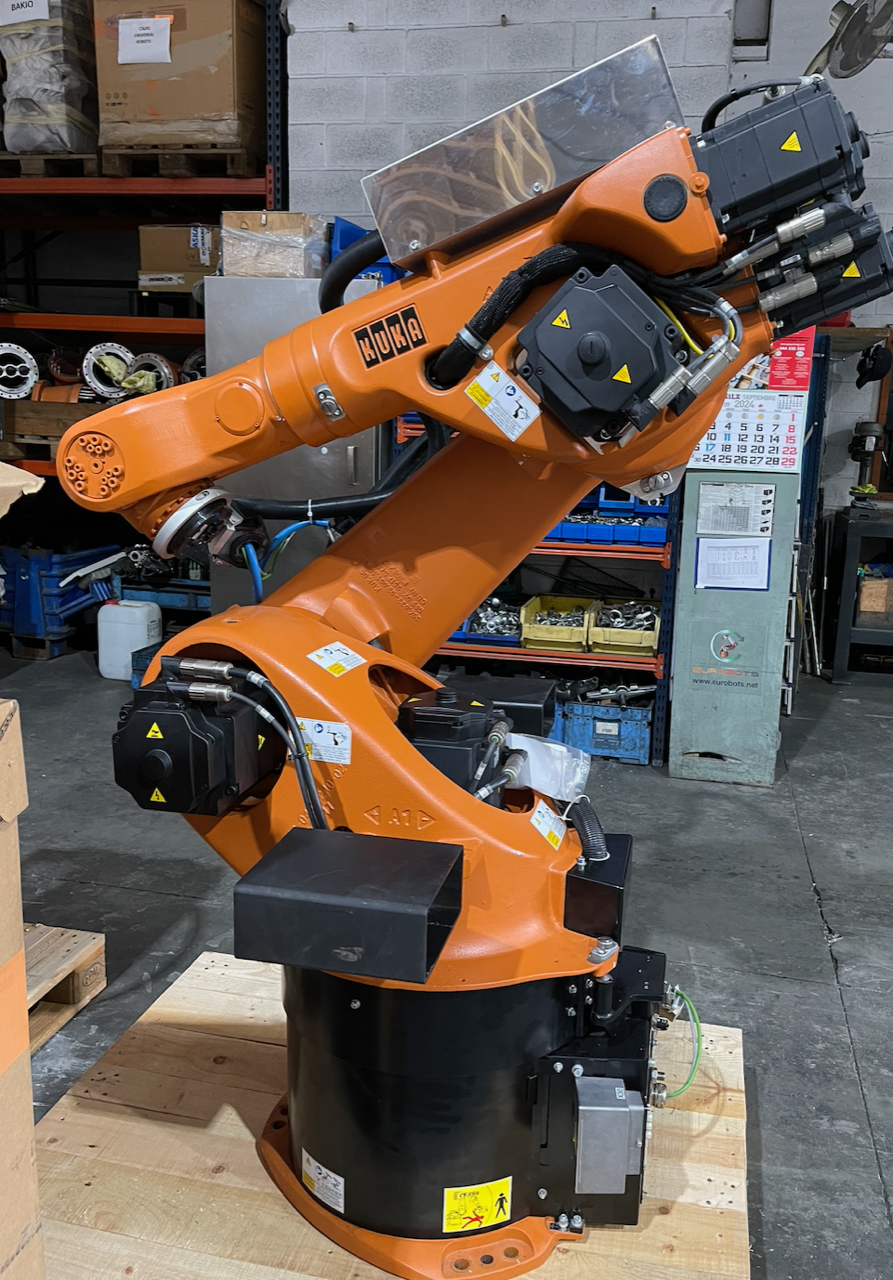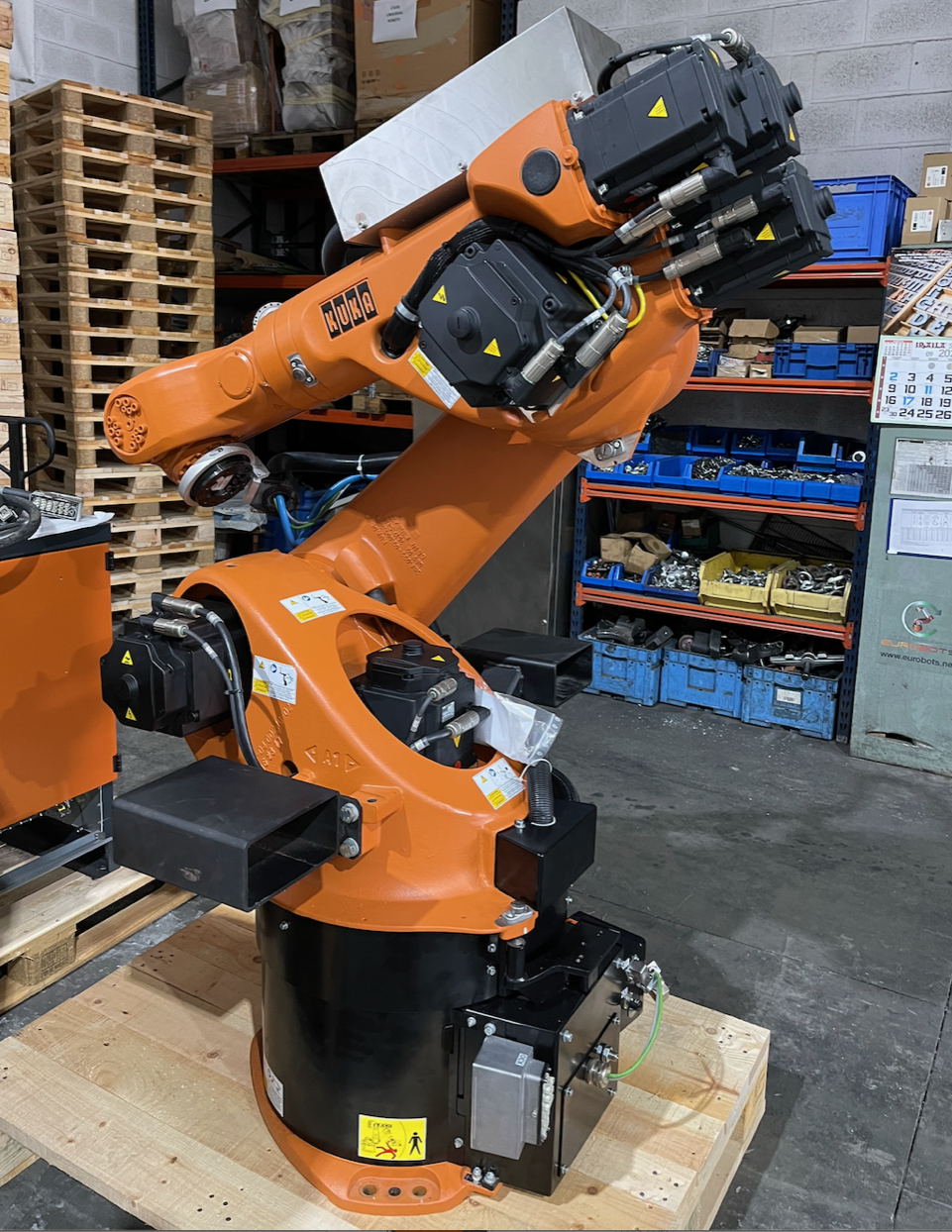
Palletizing is one of the most critical stages at the end of the production line. Although it is often perceived as a simple process, in practice it involves occupational risks, production bottlenecks, and hidden operational costs. For many years this process has been handled using traditional systems: manual palletizing, semi‑automatic solutions, or low‑flexibility dedicated machines.
Some projects never fail: Because they never start! They live in a permanent state of improvement. Every week, the system becomes a little better than before—slightly more precise, a bit more elegant. There’s always something to tweak, something to polish, something that “before we start real production” should be optimized. The robot moves. The simulation
There’s an awkward moment in some automation projects when no one really wants to look too closely at the first batches. The parts come out quickly. The robot never stops. Productivity indicators look great. And yet… something feels off. The defect that used to appear sporadically now shows up with impeccable regularity. There’s no debate:
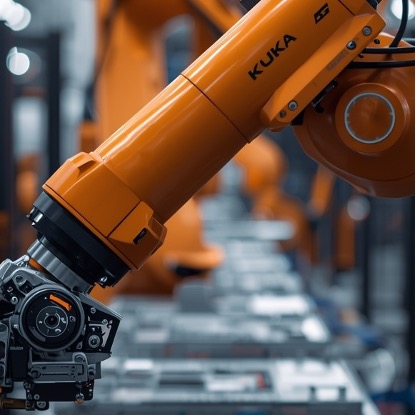
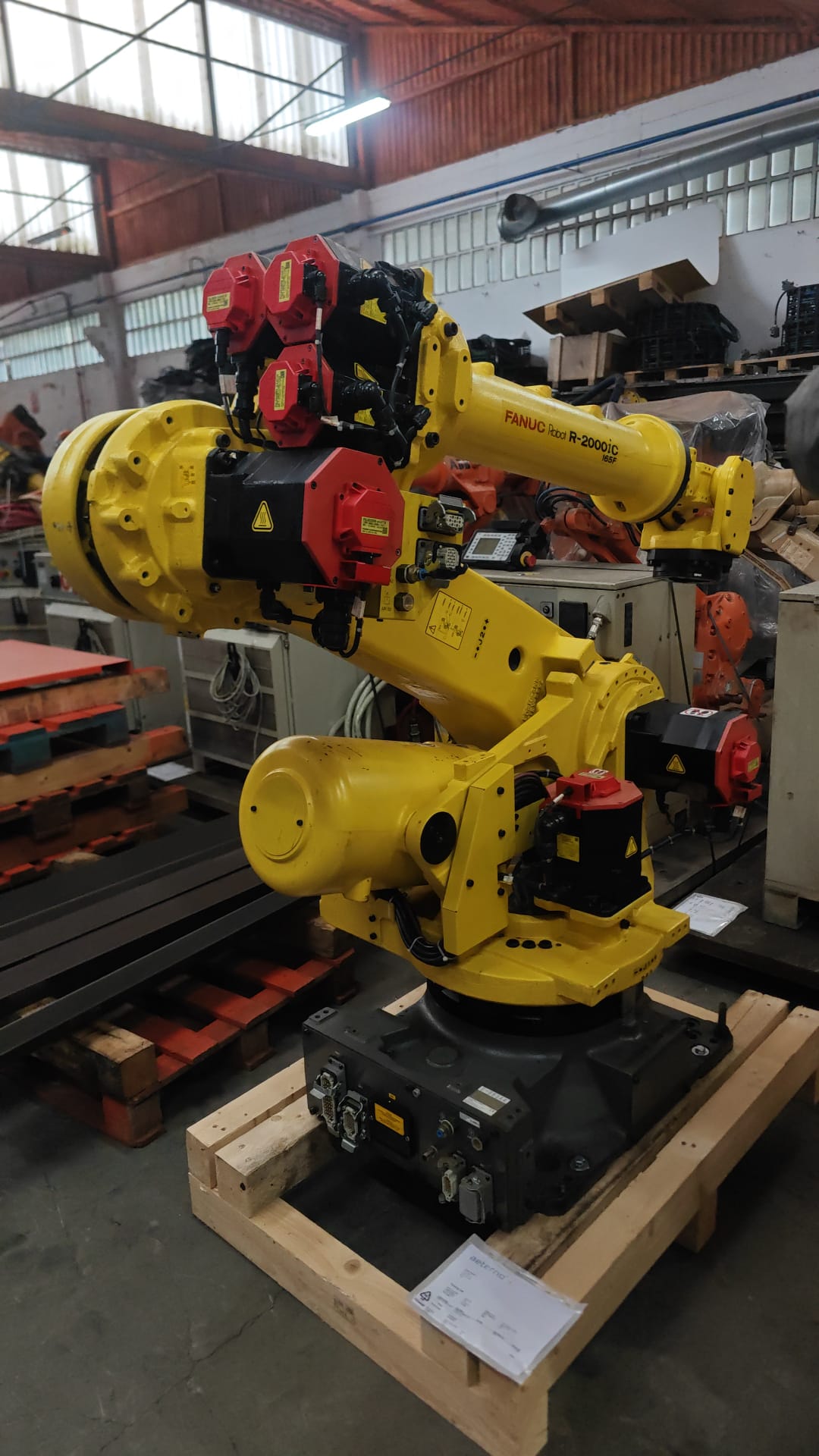
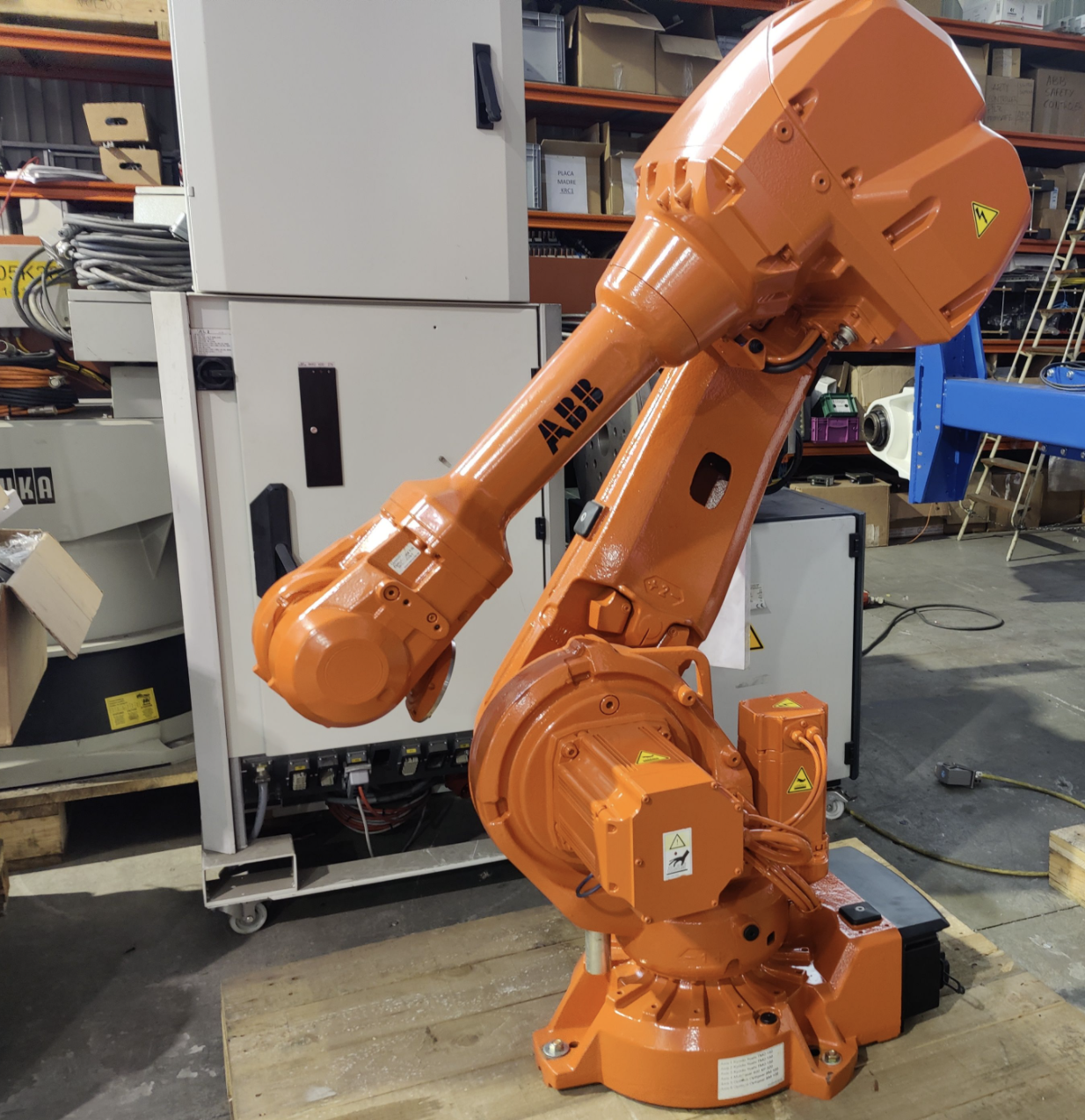
In the modern factory, the best of two worlds comes together: the robustness of traditional industrial robots and the flexibility of collaborative robots, or cobots. This fusion—a hybrid human-robot line—offers great advantages but also raises critical challenges: safety, ergonomics, production flow, and adaptability to change. For brands like KUKA, ABB, or FANUC, which you manage
In today’s industrial market, both new and refurbished robots have a legitimate and distinct role within automation strategies. Neither option is universally better; instead, each suits particular technical, operational, and financial requirements. The right decision shouldn’t be based on personal preference, but should come from a careful, comparative analysis that takes into account measurable criteria
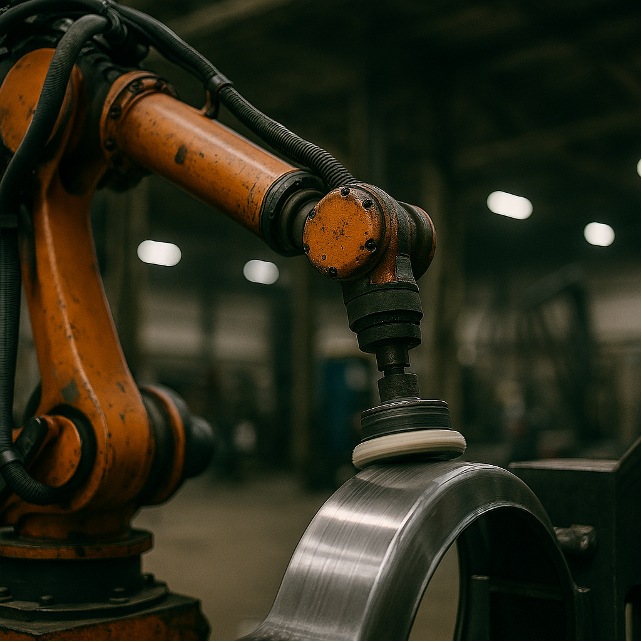
In the industrial sector, sanding, polishing, and surface finishing might seem like straightforward tasks, but they actually involve a significant level of technical complexity. Each piece requires consistent pressure, precise motions, a uniform rhythm, and an attentive approach to detail—qualities that are difficult to maintain manually over many hours of work. This is where an
The effectiveness of a robotic welding integration project is determined by tangible outcomes in several crucial aspects. First and foremost, the quality of the weld bead is of utmost importance, as it directly impacts the strength, safety, and compliance with regulations. High-quality robotic welding results in fewer defects such as porosity, lack of fusion, undercut,
A recent video showcases a robotic cell featuring a KUKA KR30-3 mounted on a linear rail (track) and paired with two rotary positioners as part of an advanced handling or welding solution. This configuration is gaining ground as a flexible alternative for production lines, though it is not without challenges. Eurobots, as a provider of
Purchasing a robot is not simply a technical decision. In reality, it is a financial one. Many companies believe that the most expensive robot is the best, or that buying new is the safest way to “avoid risks”. However, when looked at from a business perspective, with numbers and strategy in mind, the reality is
Modern agriculture faces a challenge: producing more with fewer personnel and ever-increasing costs. Automation has become a necessity, not a luxury. However, many producers—especially medium and small ones—believe that bringing robotics to the field is beyond their reach. The reality is different: refurbished industrial robots are opening a new era for precision agriculture, offering advanced,