POLISHING, AND FINISHING PROCESSES: WHAT YOU NEED TO KNOW BEFORE INTEGRATION
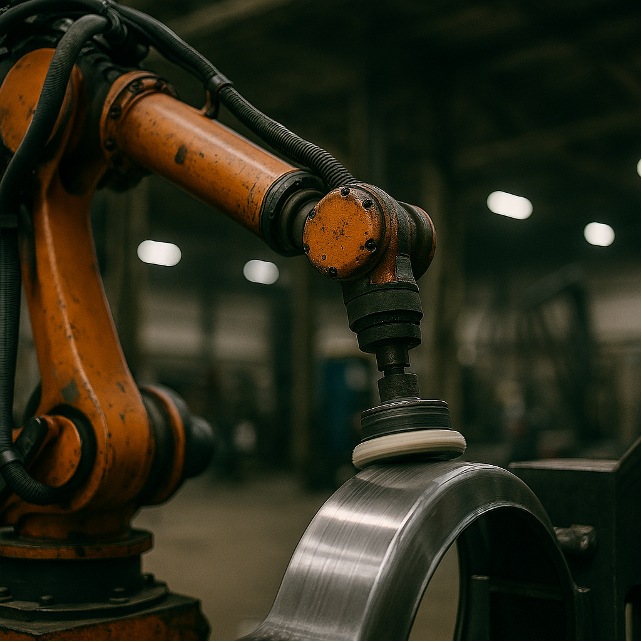
In the industrial sector, sanding, polishing, and surface finishing might seem like straightforward tasks, but they actually involve a significant level of technical complexity. Each piece requires consistent pressure, precise motions, a uniform rhythm, and an attentive approach to detail—qualities that are difficult to maintain manually over many hours of work. This is where an … Read more
WHAT SPECIFIC IMPROVEMENTS WOULD WE SEE IN EFFICIENCY, QUALITY, OR COSTS WITH THE INTEGRATION OF A ROBOTIC SOLUTION?

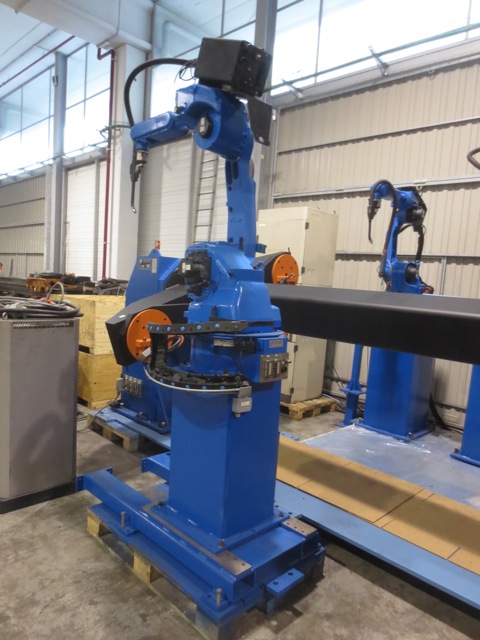
The integration of a robotic welding solution does not simply replace manual labor, but transforms the entire production process. The benefits are mainly reflected in three key areas, which are constantly monitored by the industry: production efficiency, weld quality, and operating costs per part. These improvements are recognized worldwide and proven by the actual performance … Read more

PREDICTIVE MAINTENANCE IN INDUSTRIAL ROBOTS: SENSORS, DATA AND MINIMISING DOWNTIME

At the heart of many automated factories, a group of robots works tirelessly for hundreds of hours on end. But what happens if one of these machines fails unexpectedly? An unplanned stoppage can cost thousands of euros per hour, result in lost orders and delayed deliveries. This is where predictive maintenance steps in: instead of … Read more

How Does URT Measure the Success of an Arc Welding Robotic Integration Project?

The effectiveness of a robotic welding integration project is determined by tangible outcomes in several crucial aspects. First and foremost, the quality of the weld bead is of utmost importance, as it directly impacts the strength, safety, and compliance with regulations. High-quality robotic welding results in fewer defects such as porosity, lack of fusion, undercut, … Read more

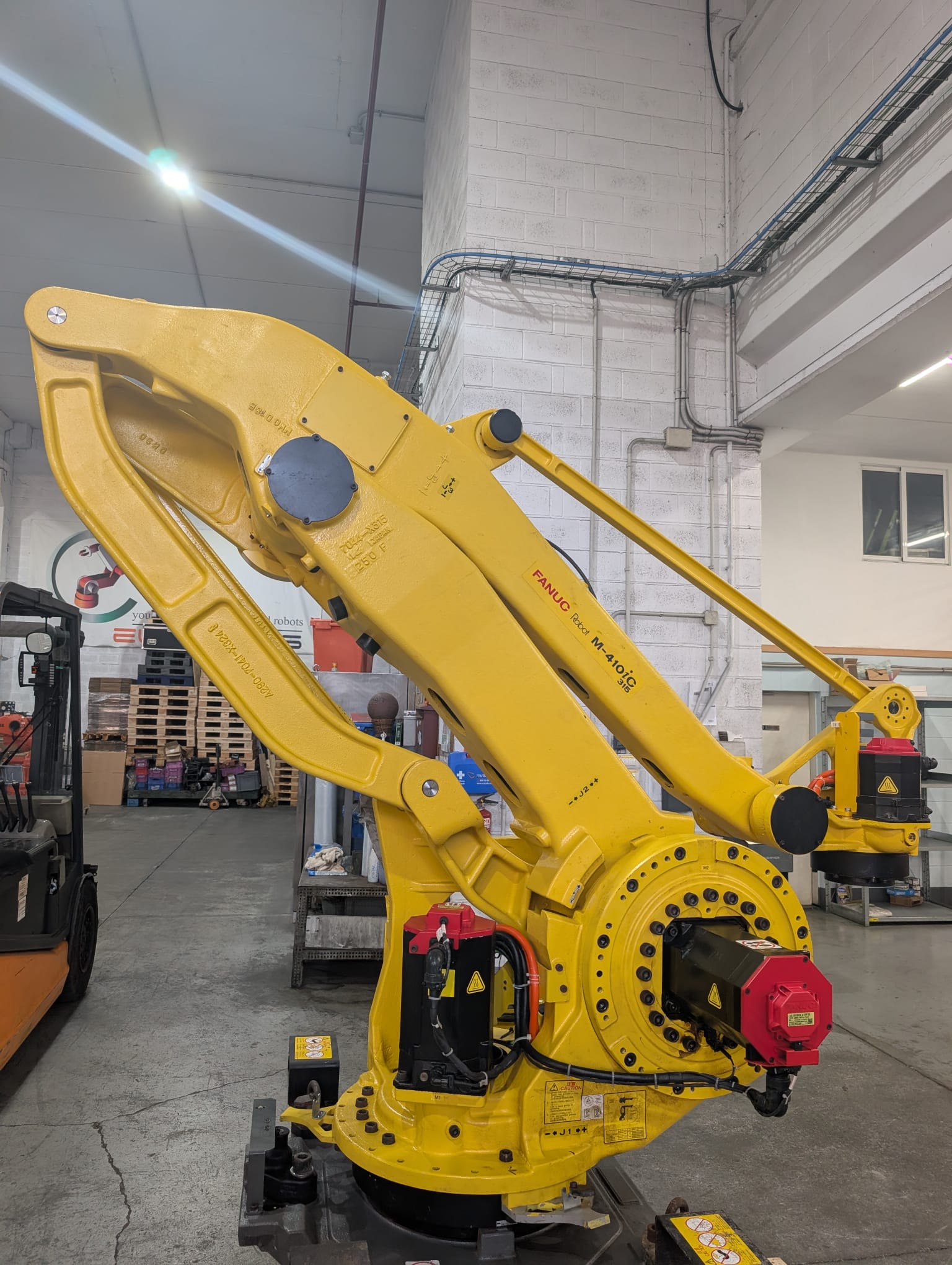
PREDICTIVE VS CORRECTIVE MAINTENANCE IN INDUSTRIAL ROBOTS

Industrial robots, like any machinery, require regular maintenance. But the key question is: do we act before a failure occurs or after it? Predictive maintenance redefines efficiency by anticipating breakdowns and optimising resources. Corrective: The Traditional Model Corrective maintenance takes place after a failure: when a servomotor stops, an axis loses calibration or a controller … Read more

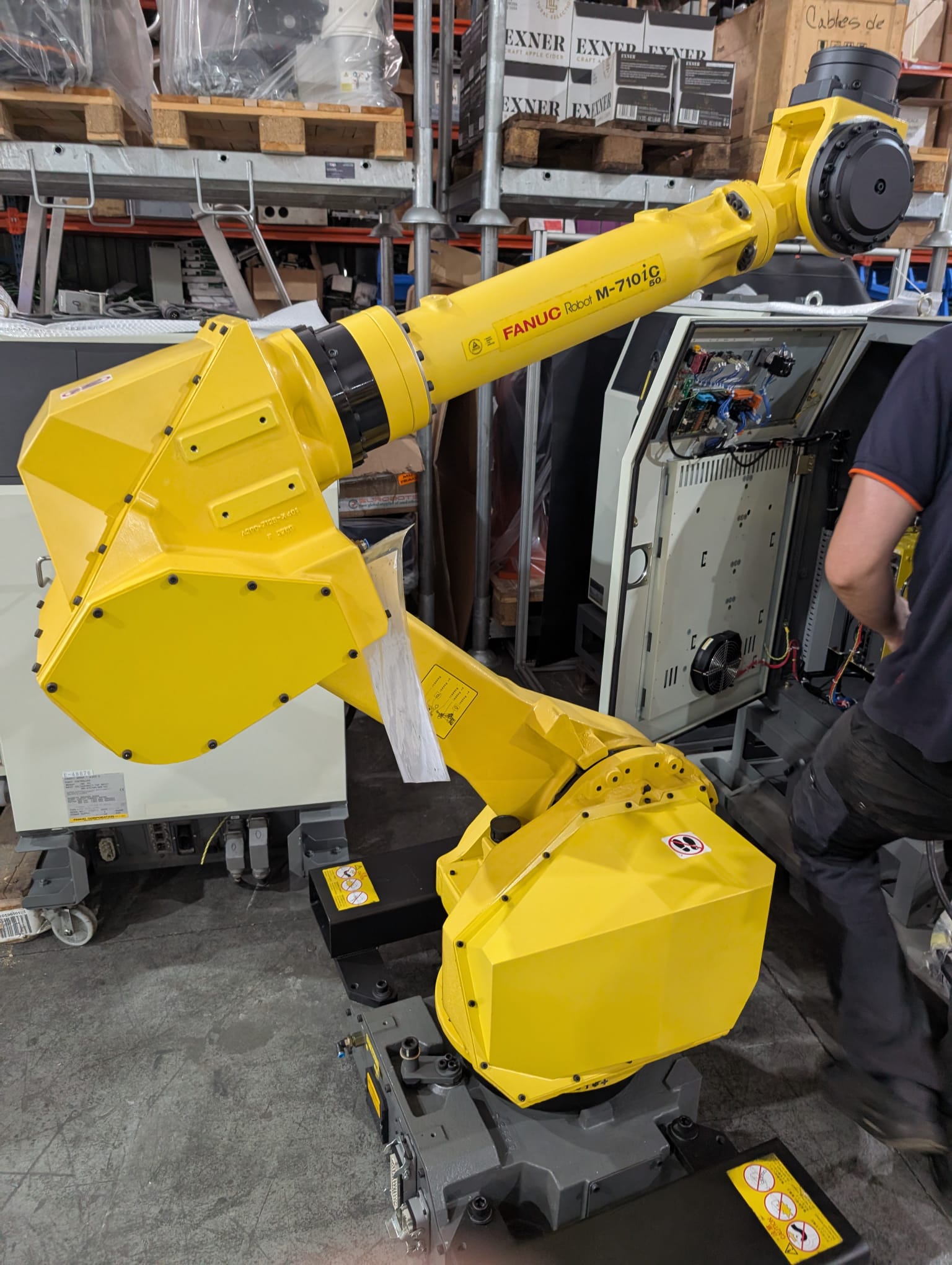
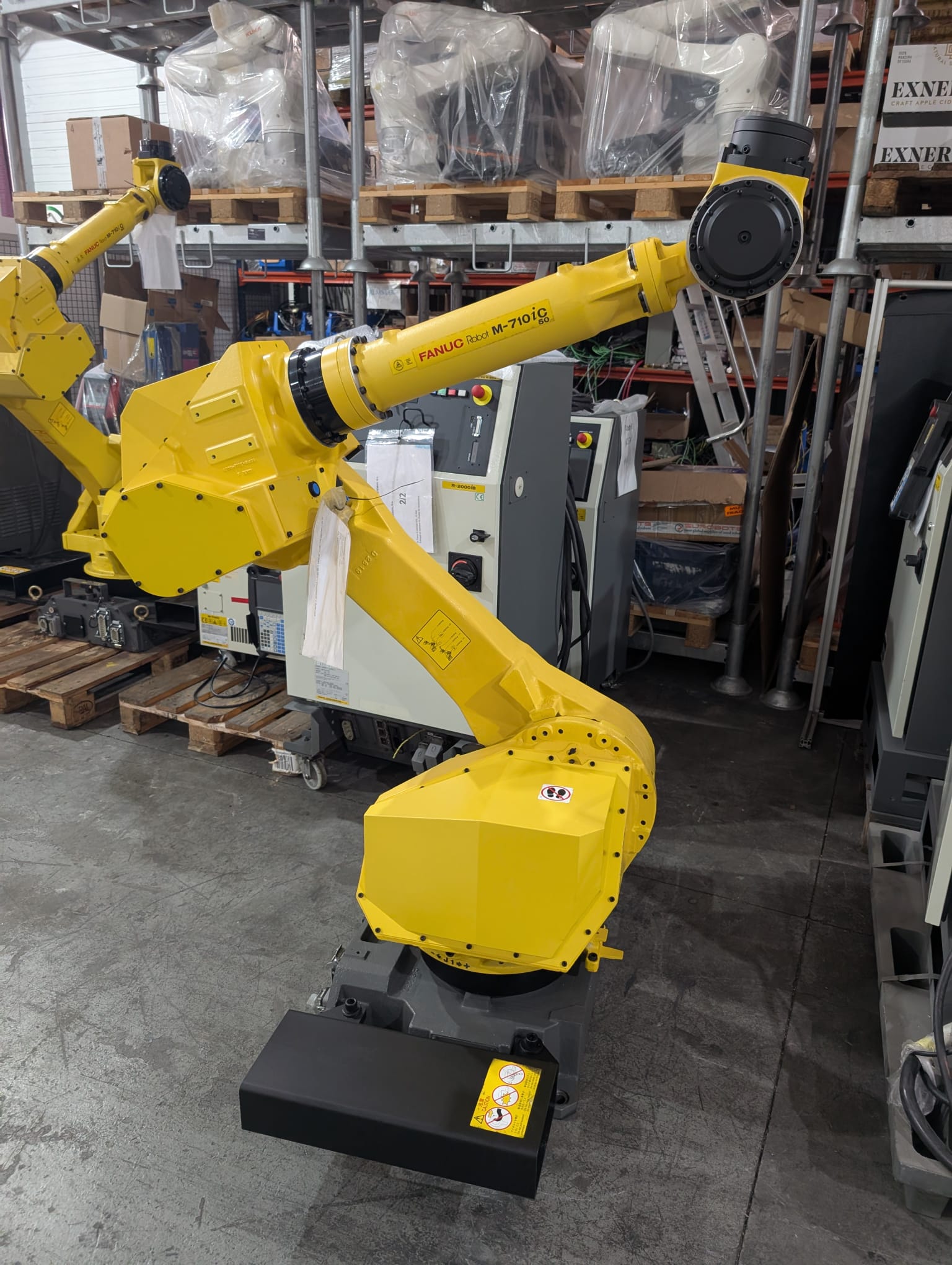
FANUC M-710iC/50: A Medium Payload Robot Serving Industrial Flexibility

In the world of industrial automation, medium-payload robots represent an ideal balance between strength and agility. Among them, the FANUC M-710iC/50 has established itself as a reliable solution for processes that demand precision, speed, and adaptability. Supported by URT, this model remains a competitive alternative for companies seeking to optimize their operations with a cost-effective … Read more

INTEGRATION OF 3D VISION WITH USED ROBOTS: PRECISION TO THE NEXT LEVEL

The integration of 3D vision with used robots is taking operational precision to a whole new level. The combination of robotics and three-dimensional vision systems has profoundly revolutionized industrial manufacturing: not only does it enable the automation of complex processes, but it also allows production lines to be quickly adapted to the specific needs of … Read more

FANUC M-710IC/50: A MEDIUM PAYLOAD ROBOT FOR INDUSTRIAL FLEXIBILITY

In the world of industrial automation, medium-payload robots represent an ideal balance between strength and agility. Among them, the FANUC M-710iC/50 has established itself as a reliable solution for processes that require precision, speed, and adaptability. Supported by URT, this model continues to be a competitive alternative for companies looking to optimise their operations with … Read more

REGULATORY EVOLUTION: SAFETY AND CERTIFICATION IN EUROPEAN INDUSTRIAL ROBOTICS

In industrial robotics, safety is not just a legal requirement—it is the foundation of responsible automation. As the use of refurbished robots continues to grow rapidly, understanding European regulations and safety standards becomes essential to ensure operations are both lawful and secure. In Europe, industrial robots are primarily governed by the Machinery Directive 2006/42/EC, which … Read more

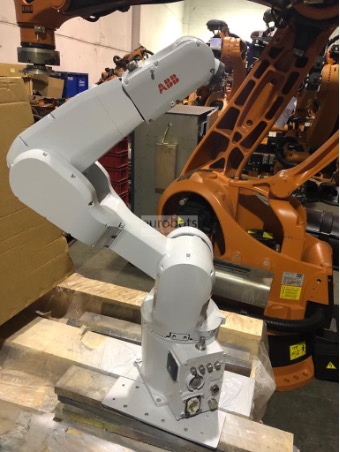
ABB ROBOTS IN STERILE PHARMACEUTICAL ENVIRONMENTS: SAFETY AND PRECISION IN BIOMANUFACTURING

The pharmaceutical sector faces the ongoing challenge of ensuring safe, sterile, and highly precise production processes. Handling sensitive substances, filling vials, and preparing medications require absolute hygiene control. In this context, ABB robots—particularly the ABB IRB 1200 series—have become a key solution for cleanrooms and biomanufacturing environments. ABB robots are designed with smooth, easy-to-clean surfaces … Read more