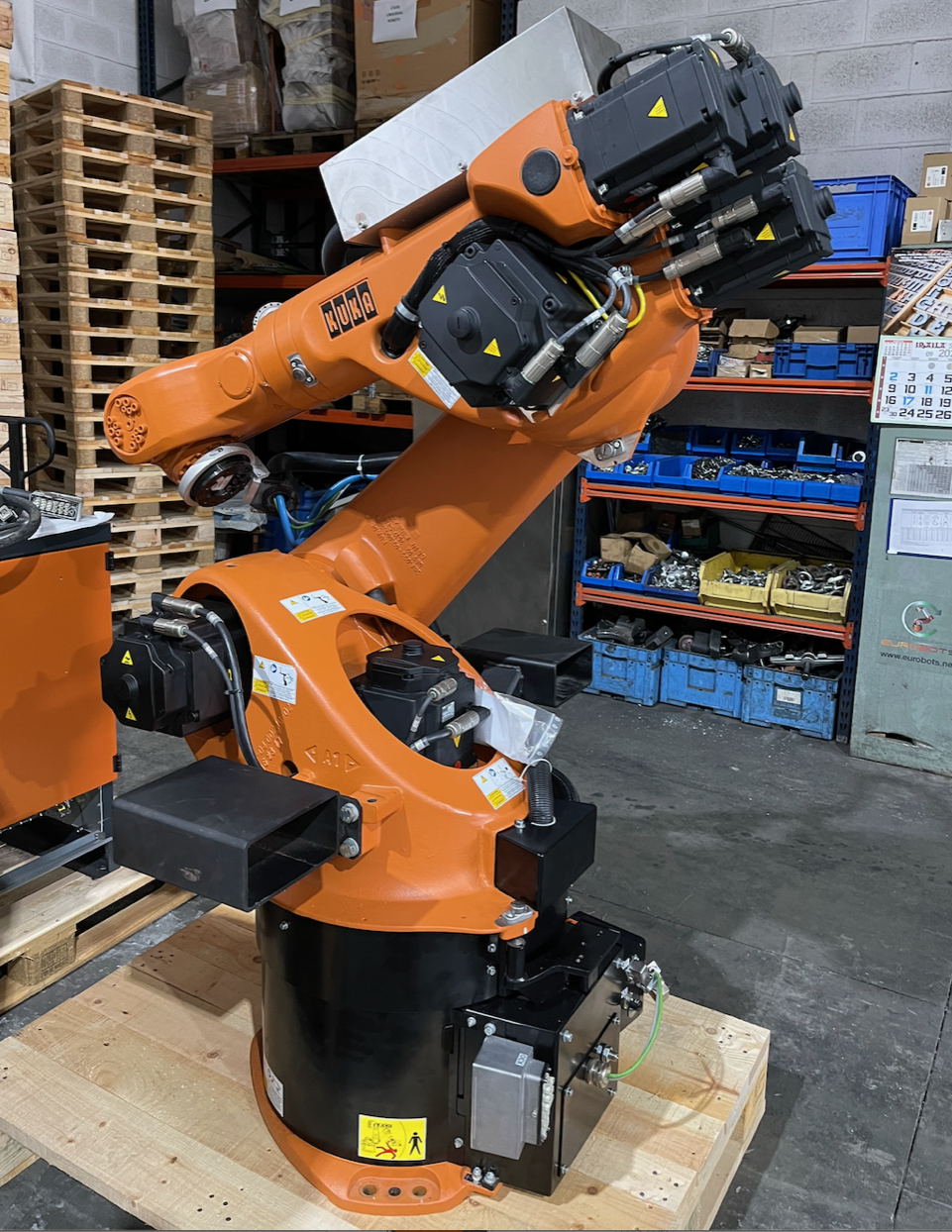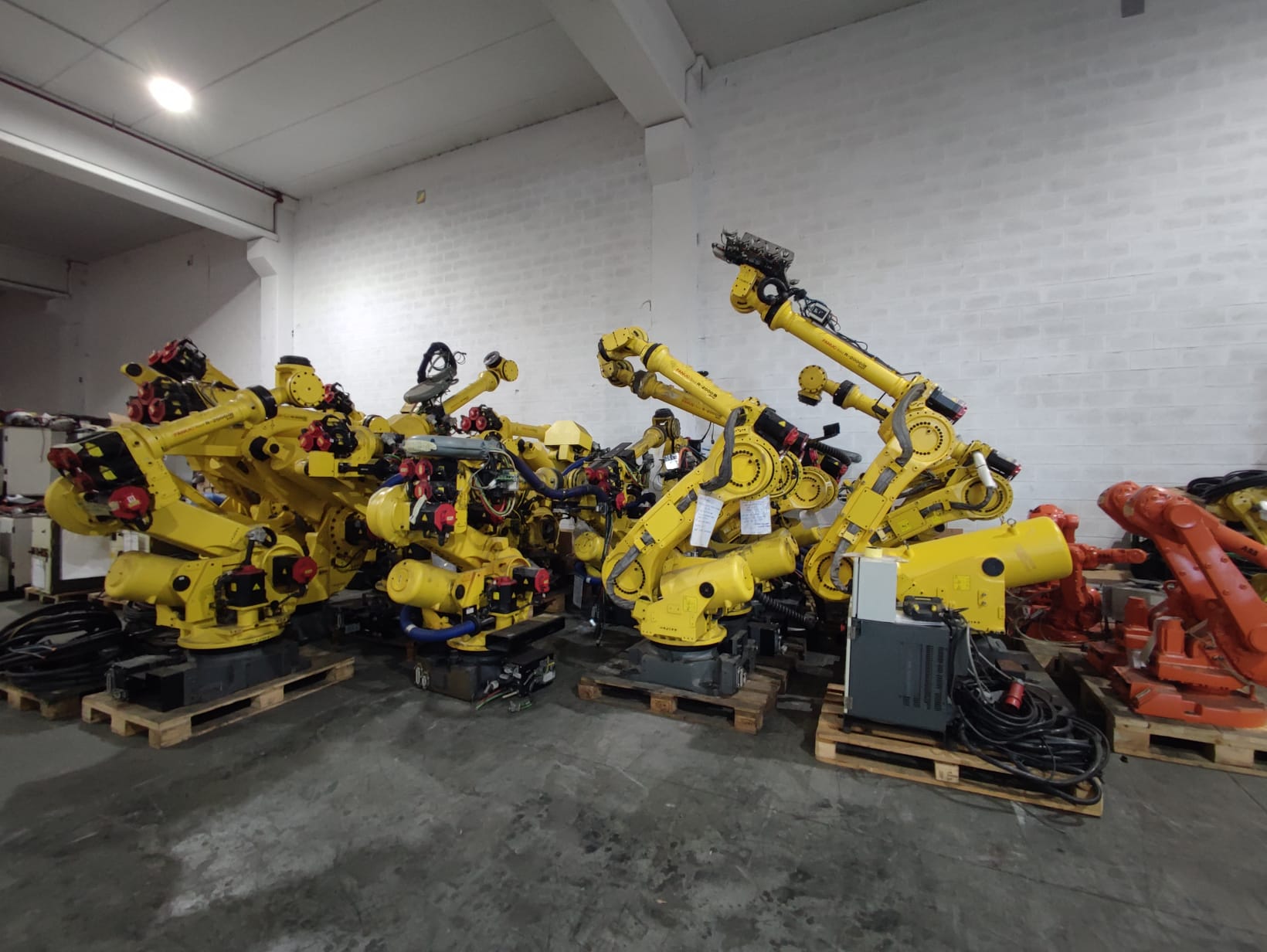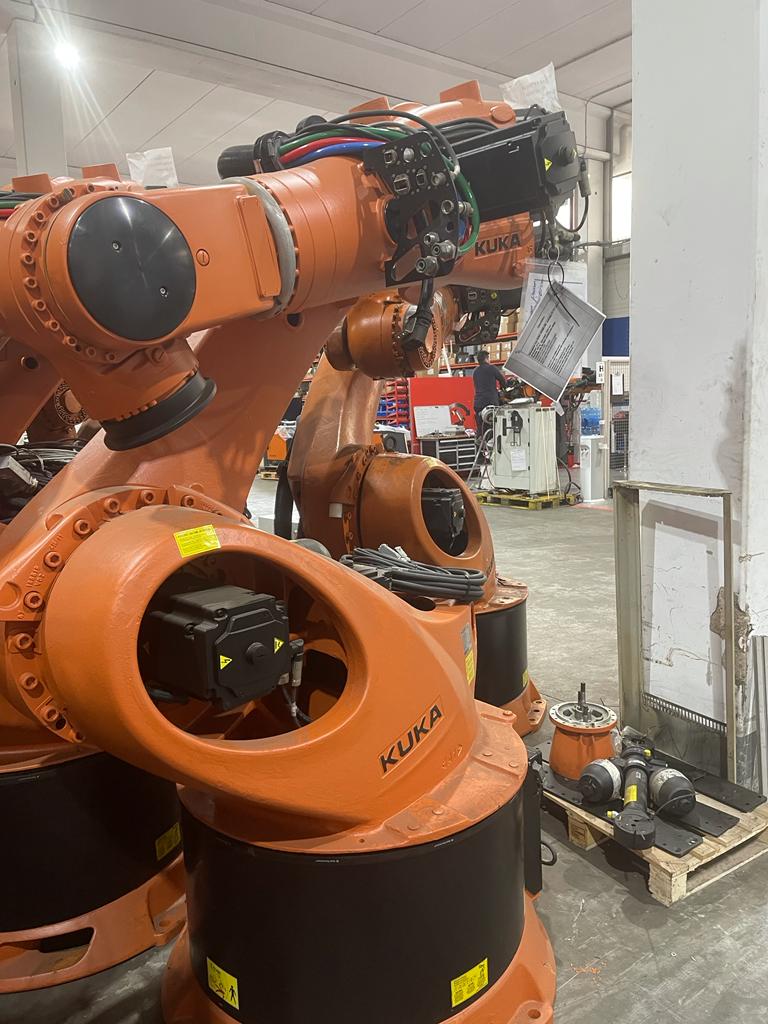
Industrial robots vs. traditional palletizing systems
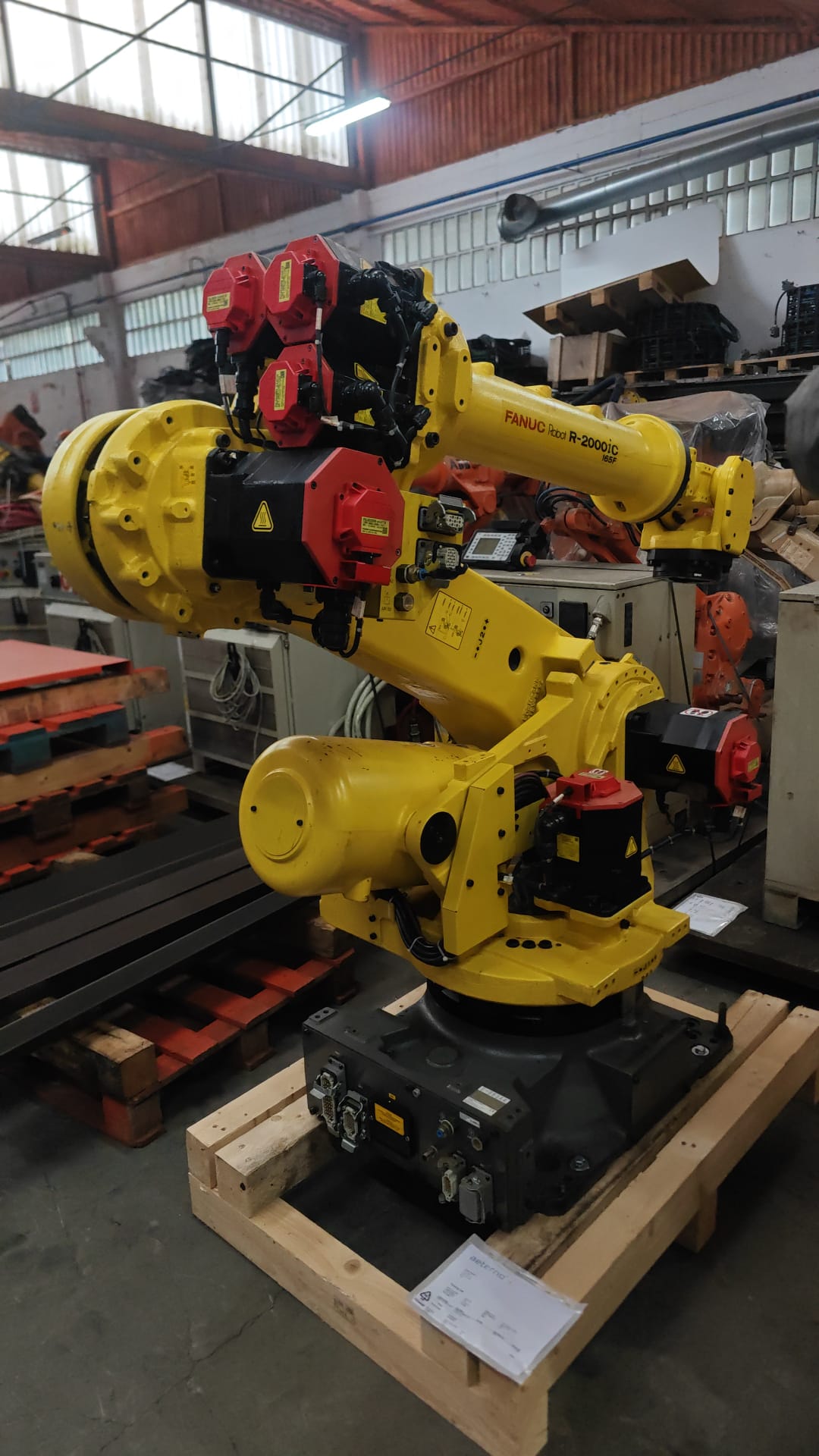
Industrial palletizing robot stacking boxes at the end of a production line

The comparison between industrial robots and traditional palletizing systems is not a new debate — but it has become more consequential as product variability increases, labor costs rise, and safety requirements tighten. A mechanical stacker or a manual palletizing line that worked well ten years ago may be creating measurable operational costs today that are … Read more
REFURBISHED MOBILE ROBOTS: THE NEW ERA OF FLEXIBLE AUTOMATION

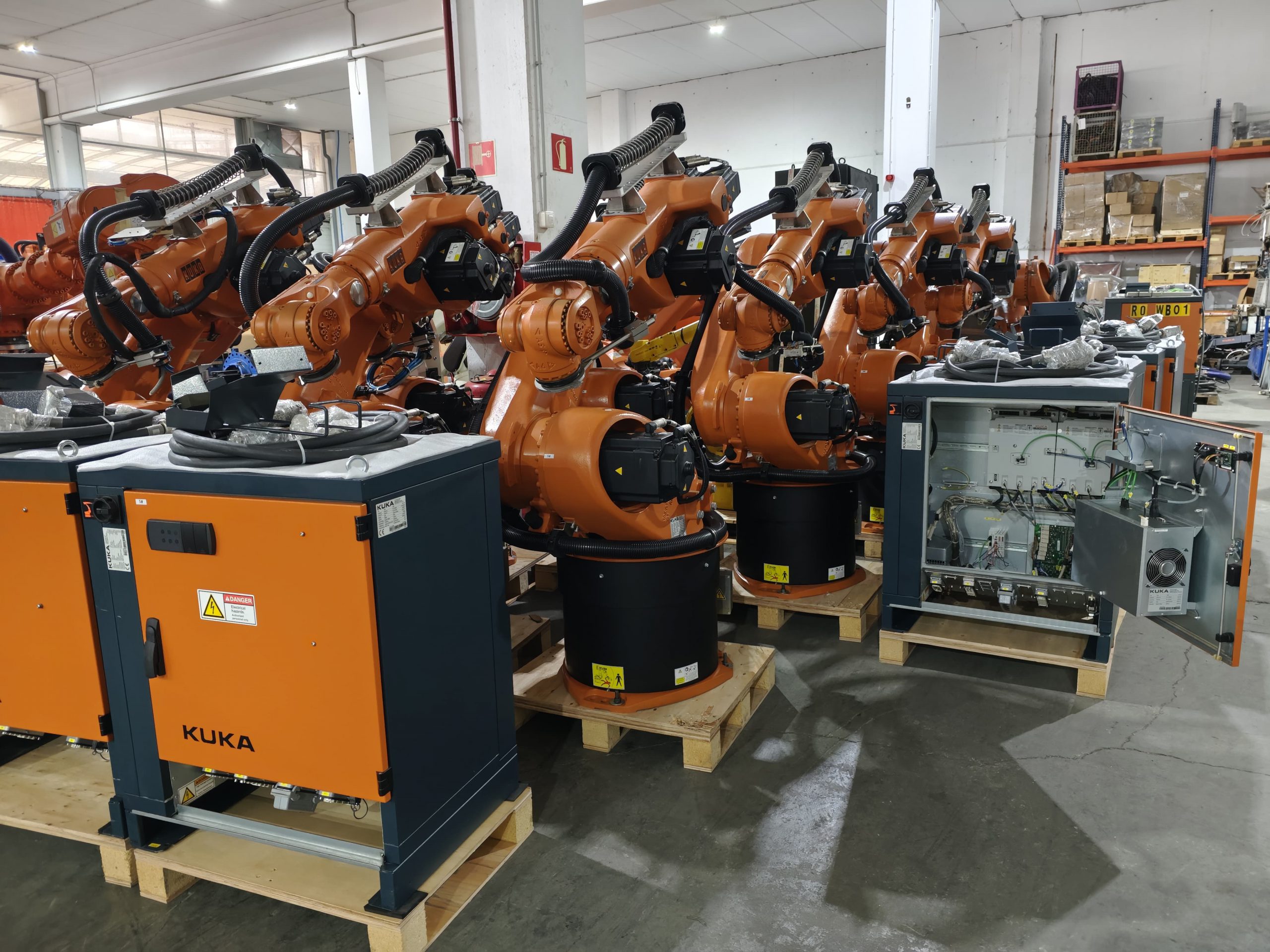
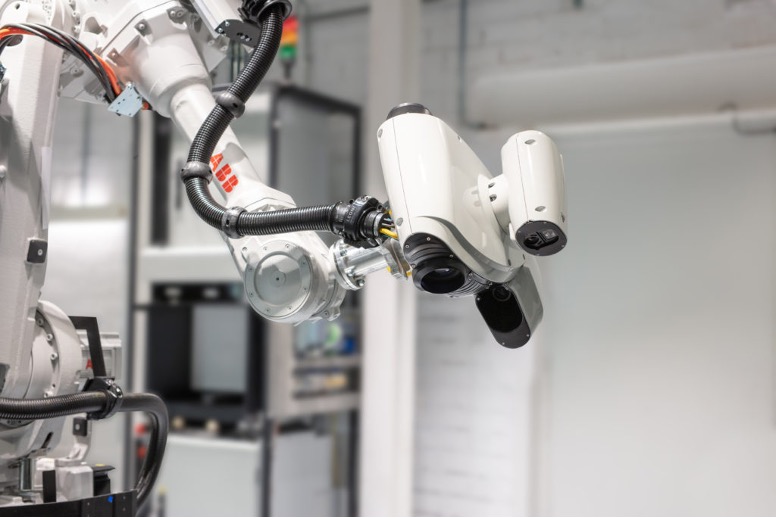
Modern industry demands flexible, reconfigurable, and fast automation. Factories can no longer rely solely on fixed production lines; they need solutions that adapt in hours, not months. This need has given rise to a powerful combination: refurbished mobile robots integrated with used industrial robotic arms. This approach delivers the agility required by Industry 4.0—without the … Read more

Does Automation Improve Quality Or Just Make The Same Mistake Faster?

There’s an awkward moment in some automation projects when no one really wants to look too closely at the first batches. The parts come out quickly. The robot never stops. Productivity indicators look great. And yet… something feels off. The defect that used to appear sporadically now shows up with impeccable regularity. There’s no debate: … Read more

REFURBISHED ROBOTS VS. NEW ROBOTS: WHEN TO CHOOSE EACH ONE?

In today’s industrial market, both new and refurbished robots have a legitimate and distinct role within automation strategies. Neither option is universally better; instead, each suits particular technical, operational, and financial requirements. The right decision shouldn’t be based on personal preference, but should come from a careful, comparative analysis that takes into account measurable criteria … Read more

POLISHING, AND FINISHING PROCESSES: WHAT YOU NEED TO KNOW BEFORE INTEGRATION

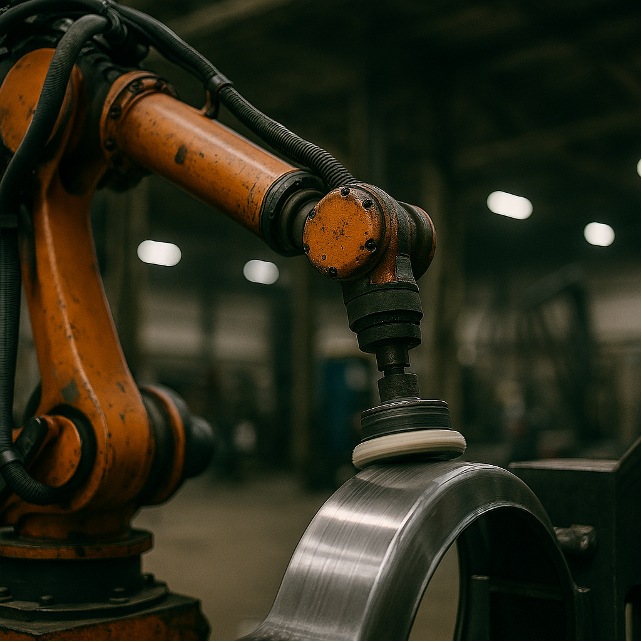
In the industrial sector, sanding, polishing, and surface finishing might seem like straightforward tasks, but they actually involve a significant level of technical complexity. Each piece requires consistent pressure, precise motions, a uniform rhythm, and an attentive approach to detail—qualities that are difficult to maintain manually over many hours of work. This is where an … Read more

PREDICTIVE MAINTENANCE IN INDUSTRIAL ROBOTS: SENSORS, DATA AND MINIMISING DOWNTIME

At the heart of many automated factories, a group of robots works tirelessly for hundreds of hours on end. But what happens if one of these machines fails unexpectedly? An unplanned stoppage can cost thousands of euros per hour, result in lost orders and delayed deliveries. This is where predictive maintenance steps in: instead of … Read more

PREDICTIVE VS CORRECTIVE MAINTENANCE IN INDUSTRIAL ROBOTS

Industrial robots, like any machinery, require regular maintenance. But the key question is: do we act before a failure occurs or after it? Predictive maintenance redefines efficiency by anticipating breakdowns and optimising resources. Corrective: The Traditional Model Corrective maintenance takes place after a failure: when a servomotor stops, an axis loses calibration or a controller … Read more

KUKA KR30-3 ON RAIL WITH TWO ROTARY POSITIONERS: INDUSTRIAL CHALLENGES AND ADVANTAGES FOR PRODUCTION LINES

A recent video showcases a robotic cell featuring a KUKA KR30-3 mounted on a linear rail (track) and paired with two rotary positioners as part of an advanced handling or welding solution. This configuration is gaining ground as a flexible alternative for production lines, though it is not without challenges. Eurobots, as a provider of … Read more

THE USED ROBOT ECONOMY: UNDERSTANDING THE TRUE TOTAL COST OF OWNERSHIP (TCO) VERSUS A NEW ROBOT

Purchasing a robot is not simply a technical decision. In reality, it is a financial one. Many companies believe that the most expensive robot is the best, or that buying new is the safest way to “avoid risks”. However, when looked at from a business perspective, with numbers and strategy in mind, the reality is … Read more

KUKA KR 510 R3080 (KRC4): Heavy-Duty Power for Demanding Industrial Lines

The KUKA KR 510 R3080, part of KUKA’s QUANTEC/FORTEC family, is one of the most powerful high-payload industrial robots available on the market. Designed to handle extremely large and heavy parts—with a nominal payload of around 510 kg and a reach exceeding 3 meters—it offers a combination of strength, reach, and repeatability that makes it … Read more