
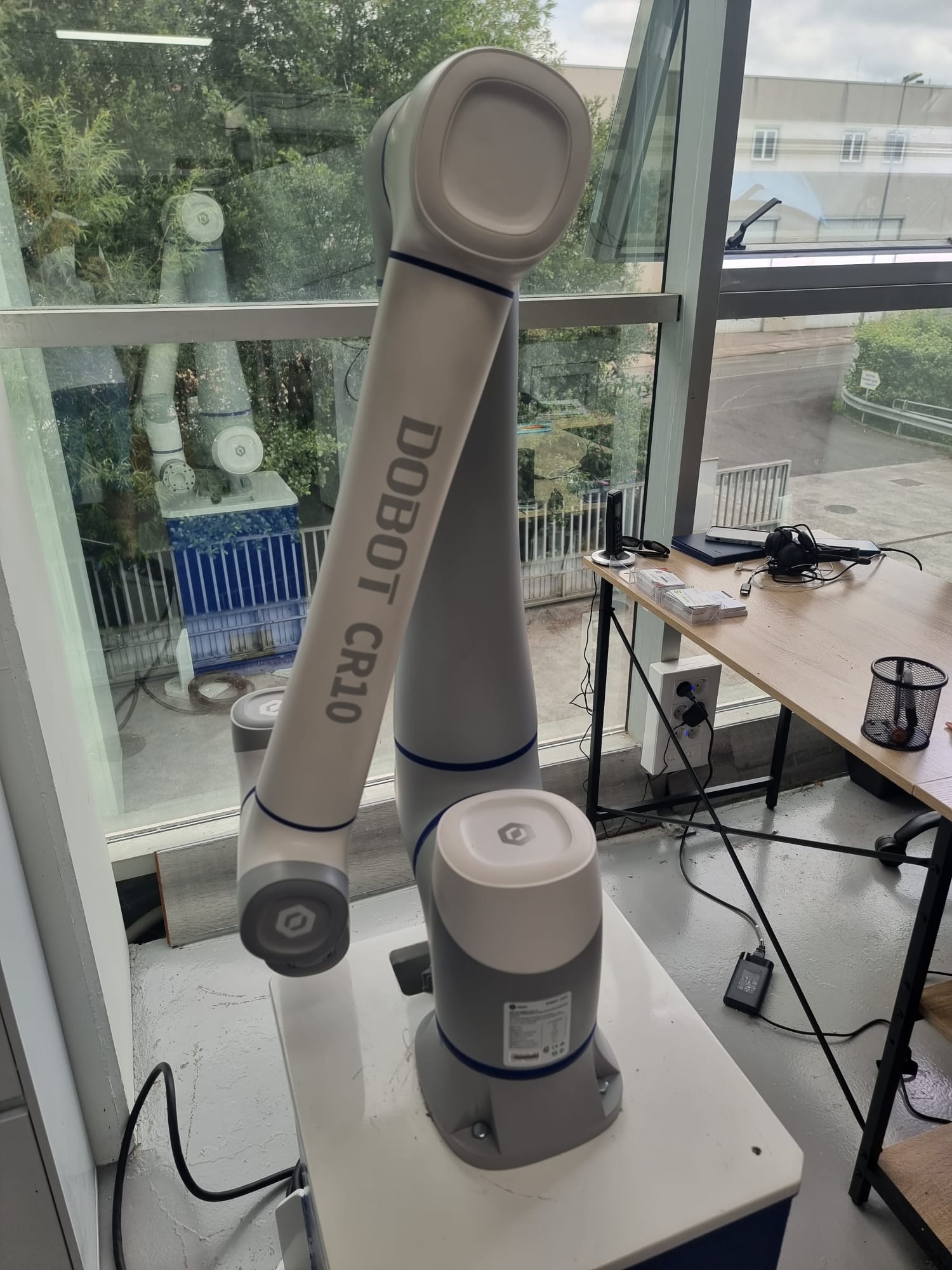
In the modern factory, the best of two worlds comes together: the robustness of traditional industrial robots and the flexibility of collaborative robots, or cobots. This fusion—a hybrid human-robot line—offers great advantages but also raises critical challenges: safety, ergonomics, production flow, and adaptability to change.
For brands like KUKA, ABB, or FANUC, which you manage at URT, the key is not just adding cobots, but integrating them correctly into a hybrid line with humans, machines, and current regulations.
Why does proper integration matter?
A well-designed hybrid line delivers:
- Greater flexibility: Cobots can handle variable tasks or adapt to product changes.
- Improved ergonomics: Operators leave monotonous or potentially hazardous tasks to focus on value-added work.
- Reduced downtime and improved OEE.
Doing it wrong can lead to:
- Safety risks for human operators, even with “safe” cobots.
- Poor productivity due to bad layout, high changeover times, or misassigned tasks.
- Difficulty scaling or reconfiguring the line for new products.
Recent studies show that task classification and workstation design are critical elements in cobot integration.
Best practices for safe integration in hybrid lines:
- Evaluate the right cell and classify tasks
Identify tasks suitable for cobots: repetitive, monotonous, risky, or ergonomically critical. Use methods like “complexity-impact quadrant” or “key-elements weighting” to prioritize. - Choose the cobot and layout for human-robot coexistence
Selection based on payload, reach, repeatability, ease of programming, and intrinsic safety. Layout must ensure proper space, free movement zones, operator visibility, and clear paths. - Integrated safety, not added safety
Risk assessment per ISO TS 15066 (human-robot collaboration) and ISO 12100 (machine safety) is essential to define operation zones, speed, and contact force limits. - Simulation, verification, and pilot before production
Simulate tasks, cycle times, ergonomics, and collision avoidance before launching the line. - Training and cultural change
Prepare the organization: operator training, role redefinition, and acceptance of human-robot collaboration.
Key steps for your plant with URT:
- Define which tasks in your hybrid cells will benefit most from cobots.
- Ensure compatibility with refurbished arms, plant layout, and European safety standards.
- Integrate cobots into the workflow, not as an add-on.
- Run pilots with simulation and safety validation before full-scale production.
- Set KPIs from the start: changeover time, error reduction, shared task ratio, human intervention level, avoided stops.
- Plan for flexibility: product changes, variable volumes, and customization demands.
If you would like more information or guidance on implementing hybrid human-robot lines, please feel free to call us.