Where Refurbished Industrial Robots Create the Greatest Operational Value in Manufacturing

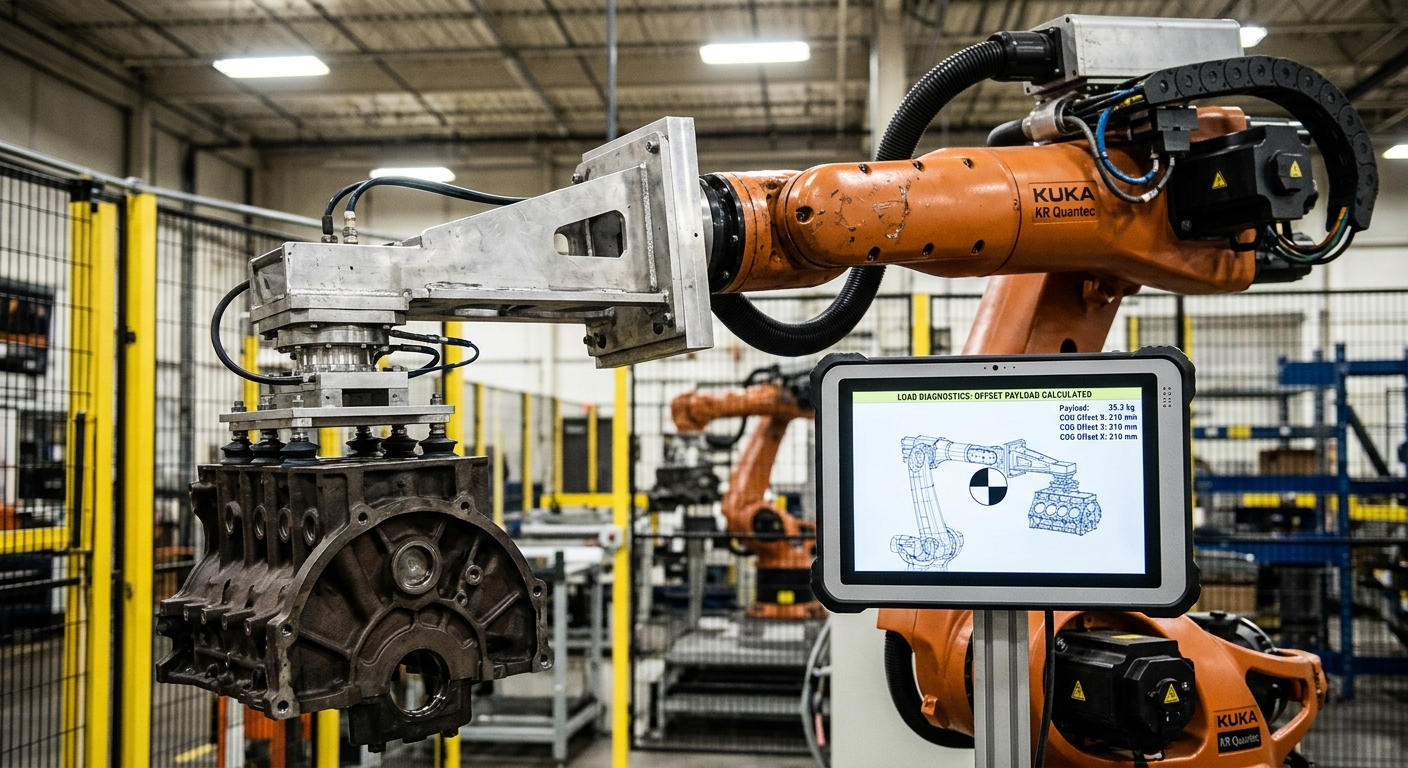
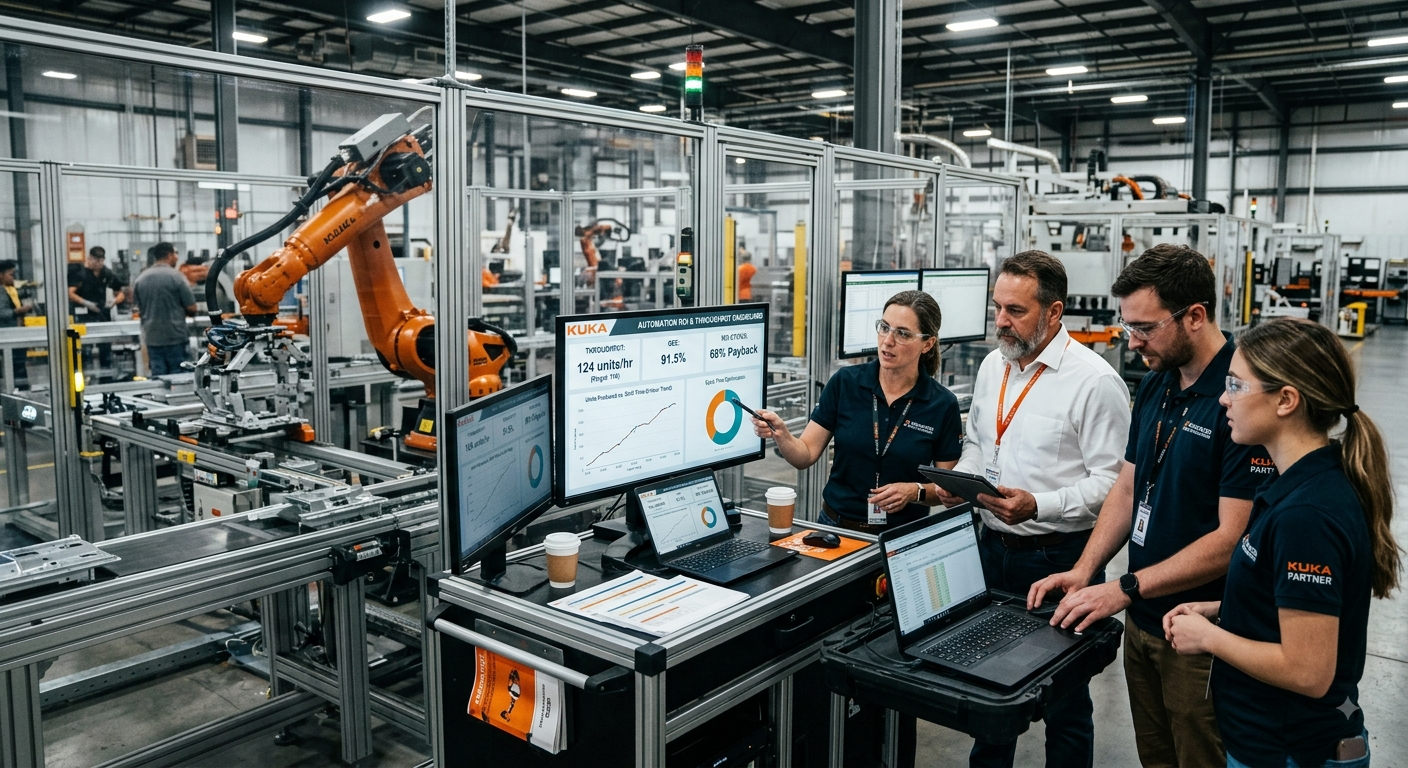
Refurbished industrial robot operating in a modern manufacturing production cell

The question is not whether refurbished industrial robots can reduce investment costs. The more important decision is whether the production process, integration requirements, and long-term support strategy allow a refurbished system to perform reliably in day-to-day manufacturing. In many factories, the greatest value comes not from buying the newest equipment, but from matching the right … Read more

When Do Used Industrial Robots Really Cost Less? A Full Cost Breakdown for Manufacturers

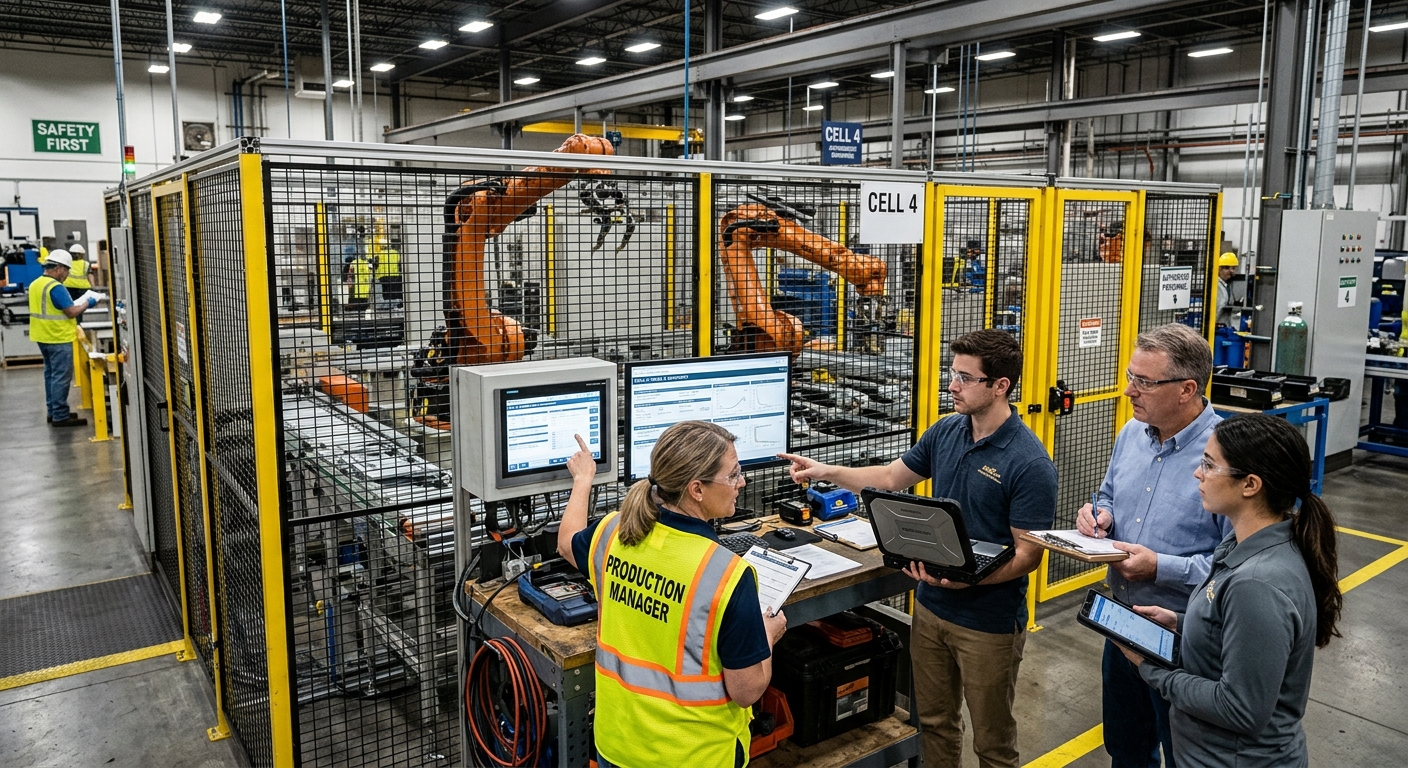
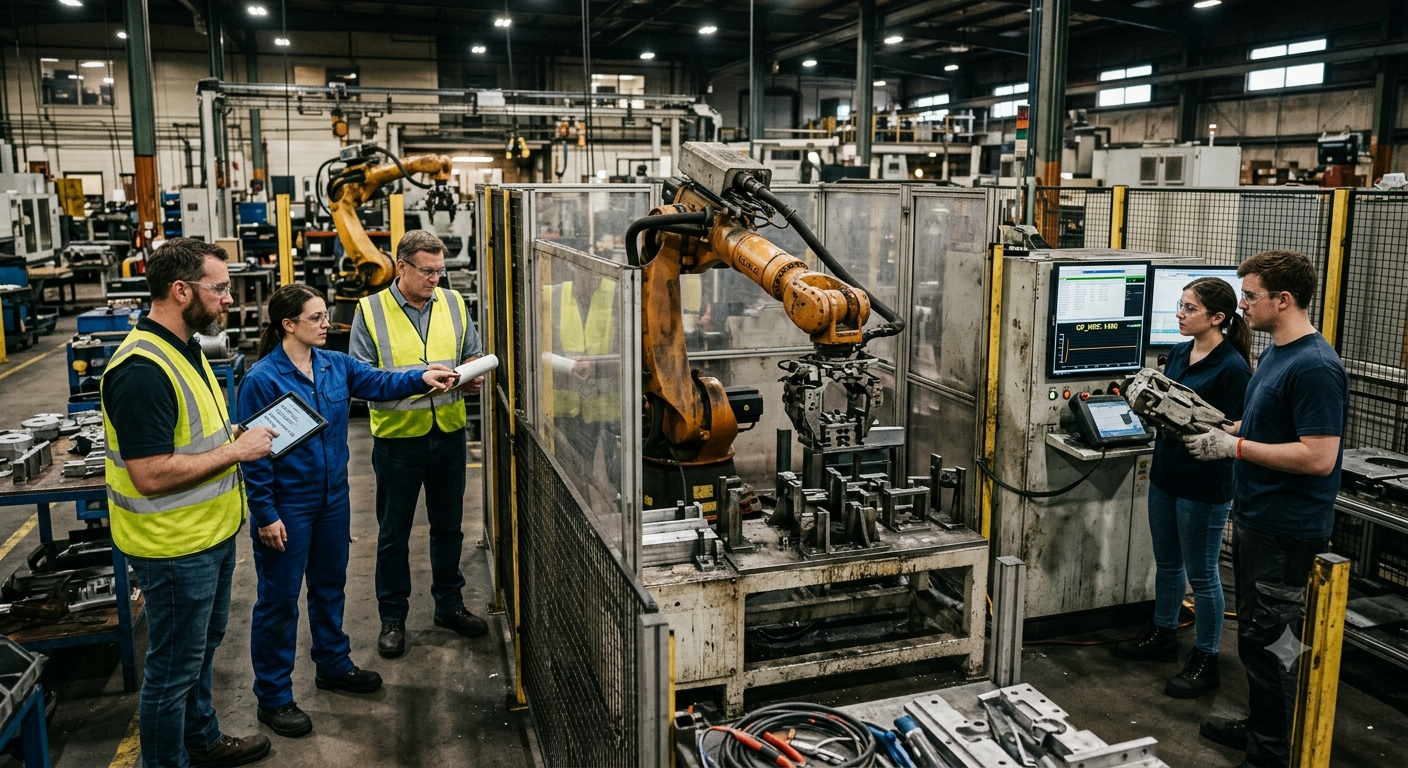
Refurbished and new industrial robots being evaluated for a manufacturing automation project

The Purchase Price Is Only the Beginning The decision between used vs new industrial robots is rarely determined by the purchase price alone. A lower acquisition cost can make a refurbished robot attractive, but the real financial outcome depends on how well the equipment fits the production process, how much integration work is required, and … Read more

Why Identical Used Industrial Robots Can Have Very Different Prices

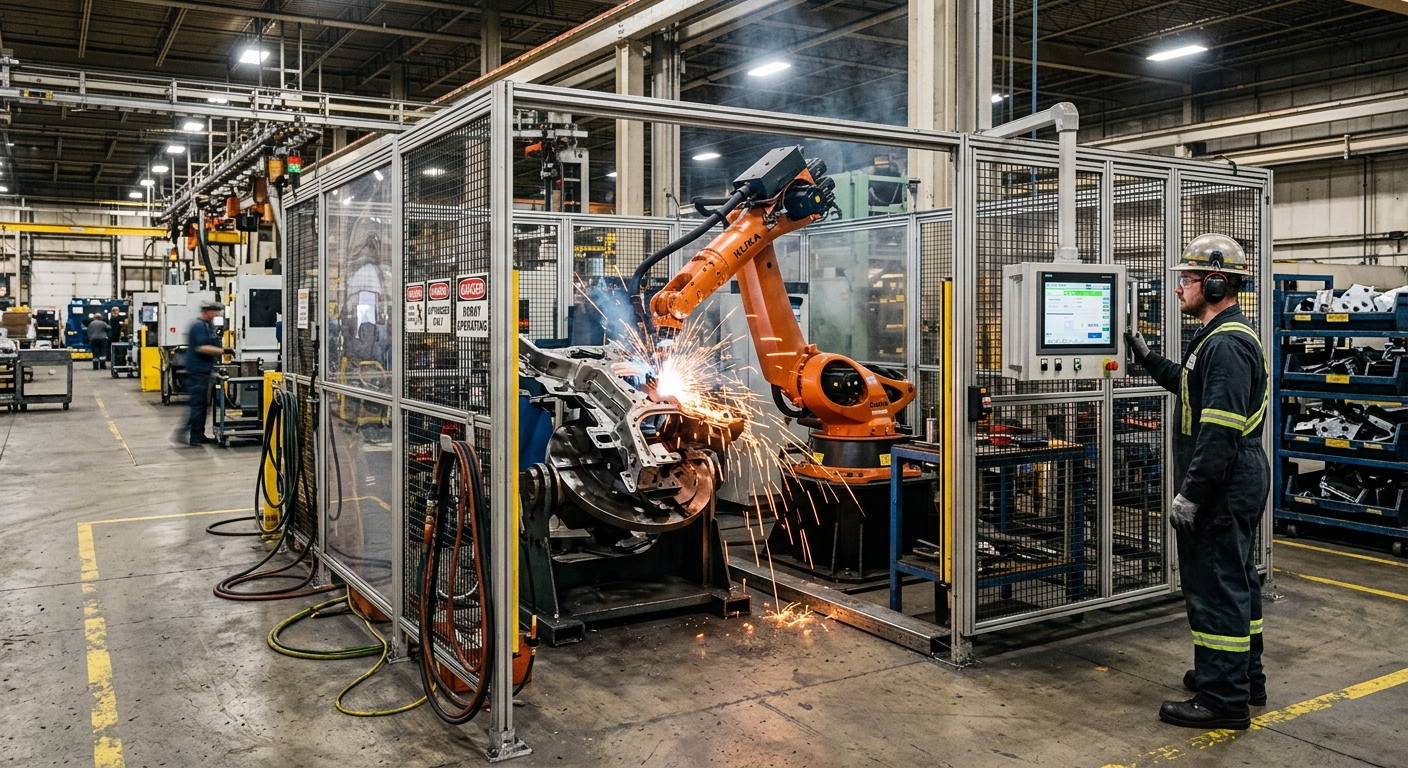
Two used industrial robots of the same model being inspected before refurbishment

The Lowest Price Is Not Always the Lowest Total Cost The price of the used industrial robot is often treated as if it were determined only by the robot model. In practice, two robots carrying the same model designation can have very different values because they represent different levels of technical risk, remaining service life, integration … Read more

When Robot Repeatability Is Not Enough for Real Production

Industrial robot returning to a programmed point while engineers compare accuracy and repeatability

Why a Repeatable Robot Can Still Miss the Real Target Robot accuracy vs. repeatability matters because a robot can return to the same position consistently and still be offset from the position the process actually requires. That distinction is easy to overlook when buyers compare datasheets, but it becomes important as soon as programs are … Read more

The Used Robot Buying Checklist That Prevents Expensive Surprises

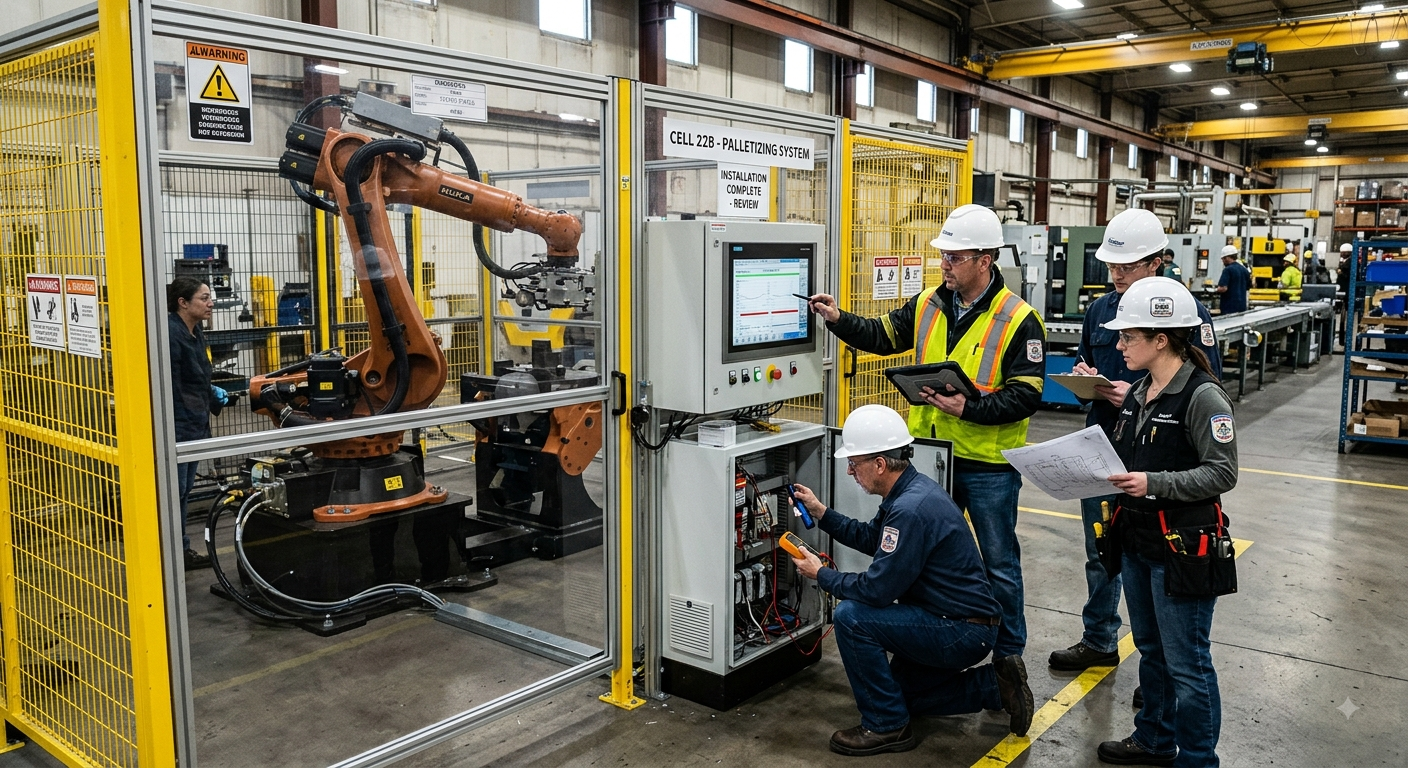
Maintenance engineer inspecting a used industrial robot before purchase

Why a Low Purchase Price Is Not Enough A used robot buying checklist should do more than confirm the model, payload, and asking price. It should expose the technical, integration, maintenance, and support risks that can turn an apparently economical purchase into an expensive production problem. A used industrial robot can be a sensible investment … Read more

Robot Payload, Reach and Repeatability: What Buyers Often Misread

Industrial robot diagram showing payload, working reach and repeated positioning

Why Three Headline Specifications Are Not Enough to Select a Robot Robot payload reach repeatability figures can quickly narrow a shortlist, but they cannot confirm that a robot will work in a real production cell. A robot may appear suitable on a datasheet and still fail to provide enough wrist capacity, access, motion freedom, or … Read more

Why the Robot Quote Is Not Your Final Automation Budget

Engineering team reviewing a robot automation budget for an industrial cell

Why the Initial Robot Price Can Mislead the Investment Decision A robot automation budget becomes unreliable when the buyer treats the robot quotation as the cost of the complete project. The robot arm and controller may be the most visible equipment, but they do not represent everything required to create a safe, stable, production-ready cell. … Read more

Reducing Scrap and Cycle Time in Injection Molding Without Turning Automation Into a Bottleneck

Industrial robot removing molded plastic parts from an injection molding machine

Why Faster Part Removal Is Not the Real Automation Goal Many manufacturers evaluate robotic automation for plastic injection molding because they want shorter cycle times. While cycle time reduction can be an important benefit, focusing exclusively on speed often leads to poor automation decisions. The real objective is to improve overall process stability while reducing … Read more

When Automating Electronic Assembly Creates Value, and When Precision Demands a Different Approach

Industrial robot assembling small electronic components in a manufacturing environment

Why Small Parts Are Not Automatically Good Candidates for Automation The decision to automate electronic assembly is often driven by a simple assumption: if a task is repetitive and involves small components, a robot should perform it better than a human operator. In practice, the situation is more complex. Small part size alone does not … Read more

When Robotic Inspection Improves Quality, and When It Adds Complexity

Industrial robot performing dimensional inspection of manufactured components on a factory floor

Why Measurement Automation Is Often Evaluated for the Wrong Reason The question is not whether a robot can move a measurement device around a part. The real question is whether the production environment can support reliable measurement results without introducing new sources of variation. Many manufacturers evaluate robotic inspection because labor is difficult to find … Read more