When Does a Spare Industrial Robot Actually Justify the Capital?
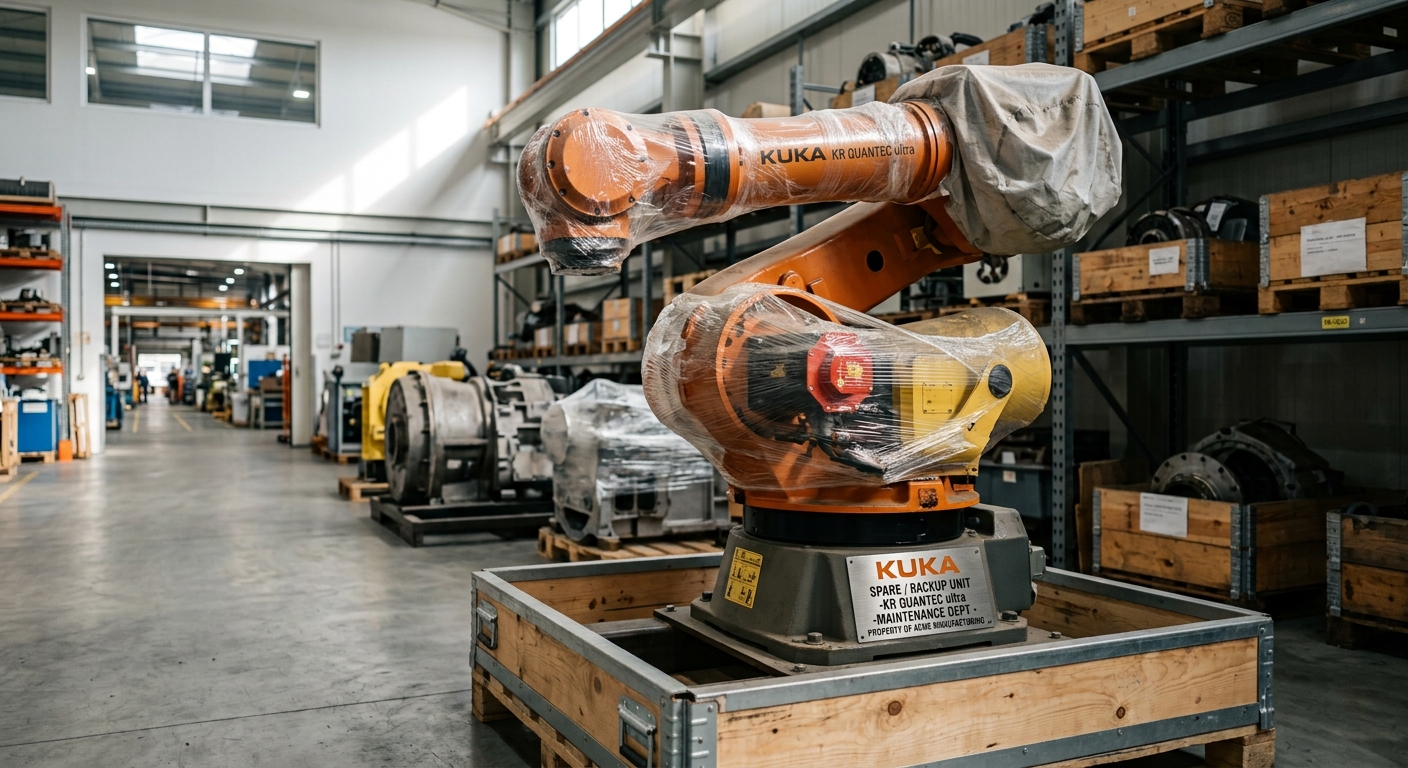
Spare industrial robot stored as production backup in a manufacturing facility

A spare industrial robot can look like expensive equipment doing nothing until a critical production robot fails. The real decision, however, is not whether an unused robot appears wasteful. It is whether the financial and operational exposure created by an extended robot outage is greater than the cost and complexity of maintaining a compatible replacement. … Read more
Before You Move or Service a Robot, Is Its Backup Actually Complete?

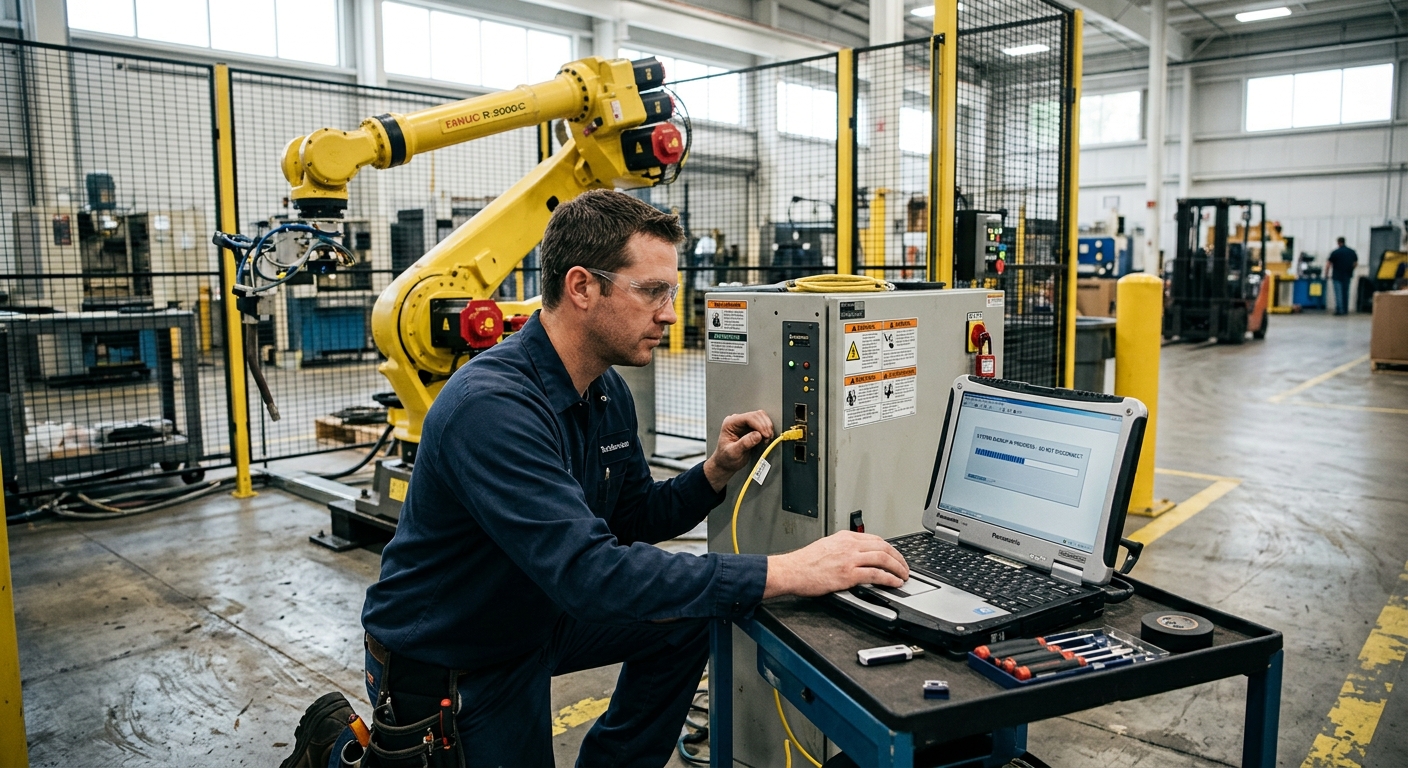
Maintenance technician preparing industrial robot backups before servicing or relocating a robotic cell

An industrial robot can be mechanically healthy and still become difficult to return to production if its industrial robot backups are incomplete. Before maintenance, controller work, relocation, or cell modification, the real question is not simply whether someone copied the robot programs. It is whether the plant has preserved enough information to reconstruct the operating … Read more

Before a Used Robot Goes Back Into Die Casting

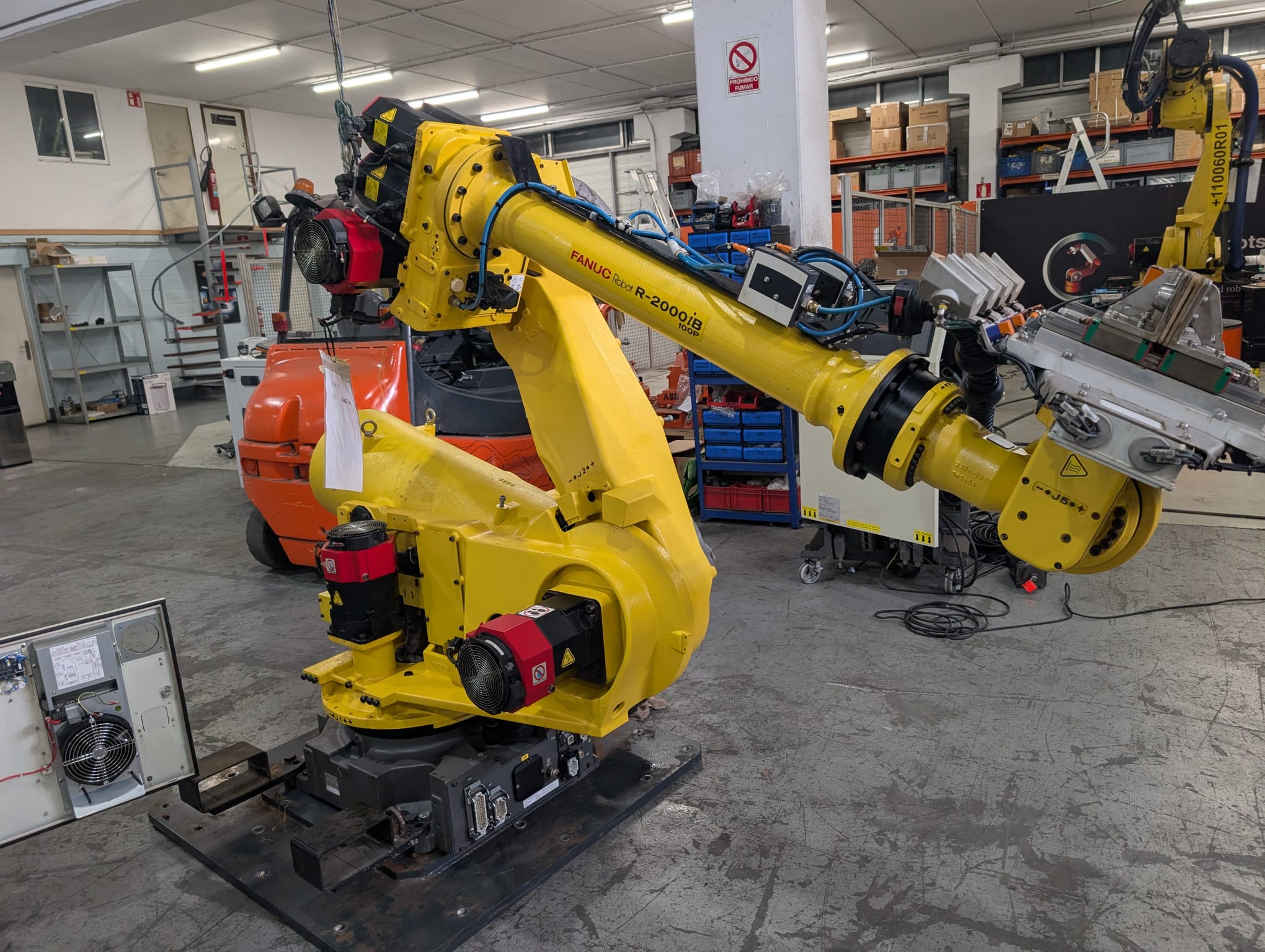
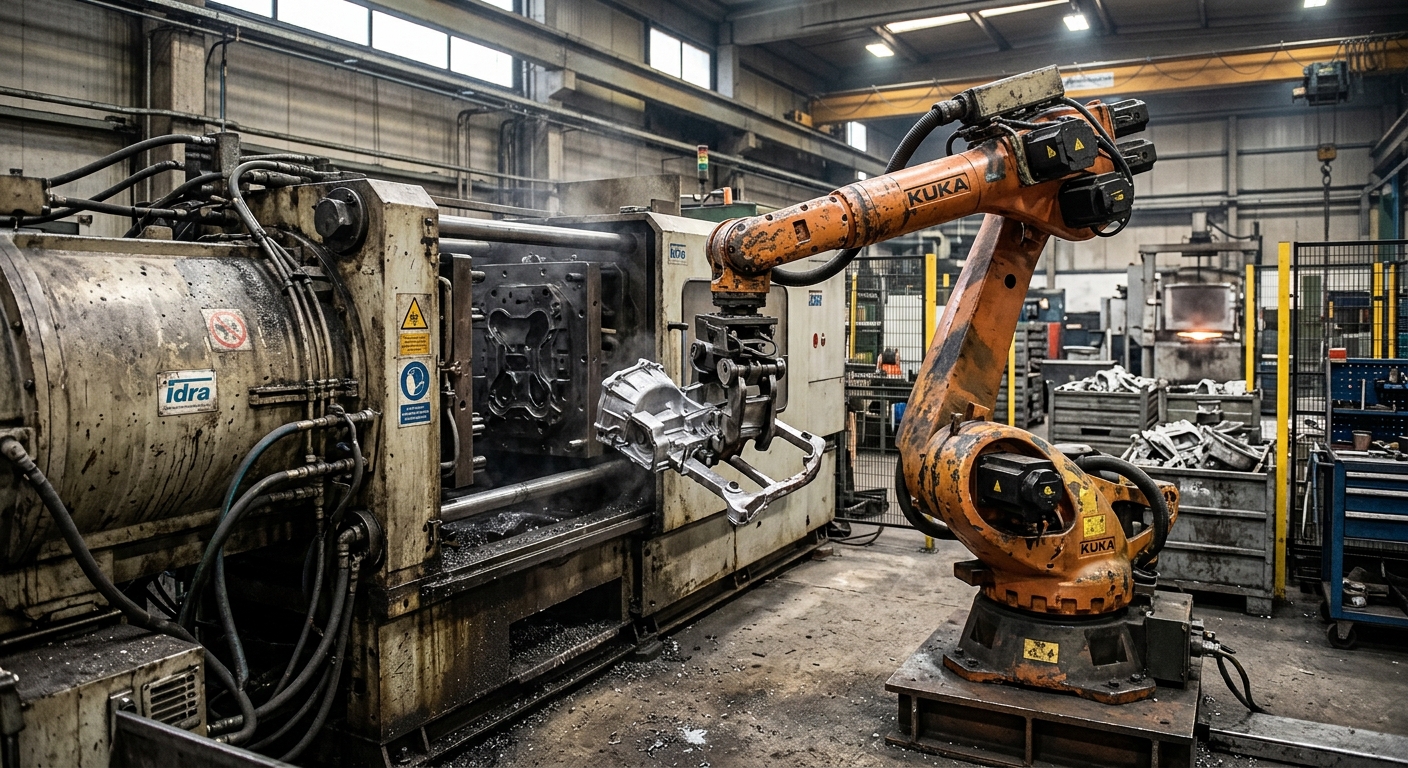
Used industrial robot handling a casting beside a die-casting machine

A robot can move smoothly during a test and still create problems once it returns to a die-casting cell. Buyers evaluating used die-casting robots need to look beyond basic motion. Mechanical wear, heat exposure, controller condition, tooling, and integration requirements all affect whether reuse makes sense. Die casting can expose equipment to heat, contamination, lubricants, … Read more

The Alarm History Check That Can Change a Used Robot Buying Decision

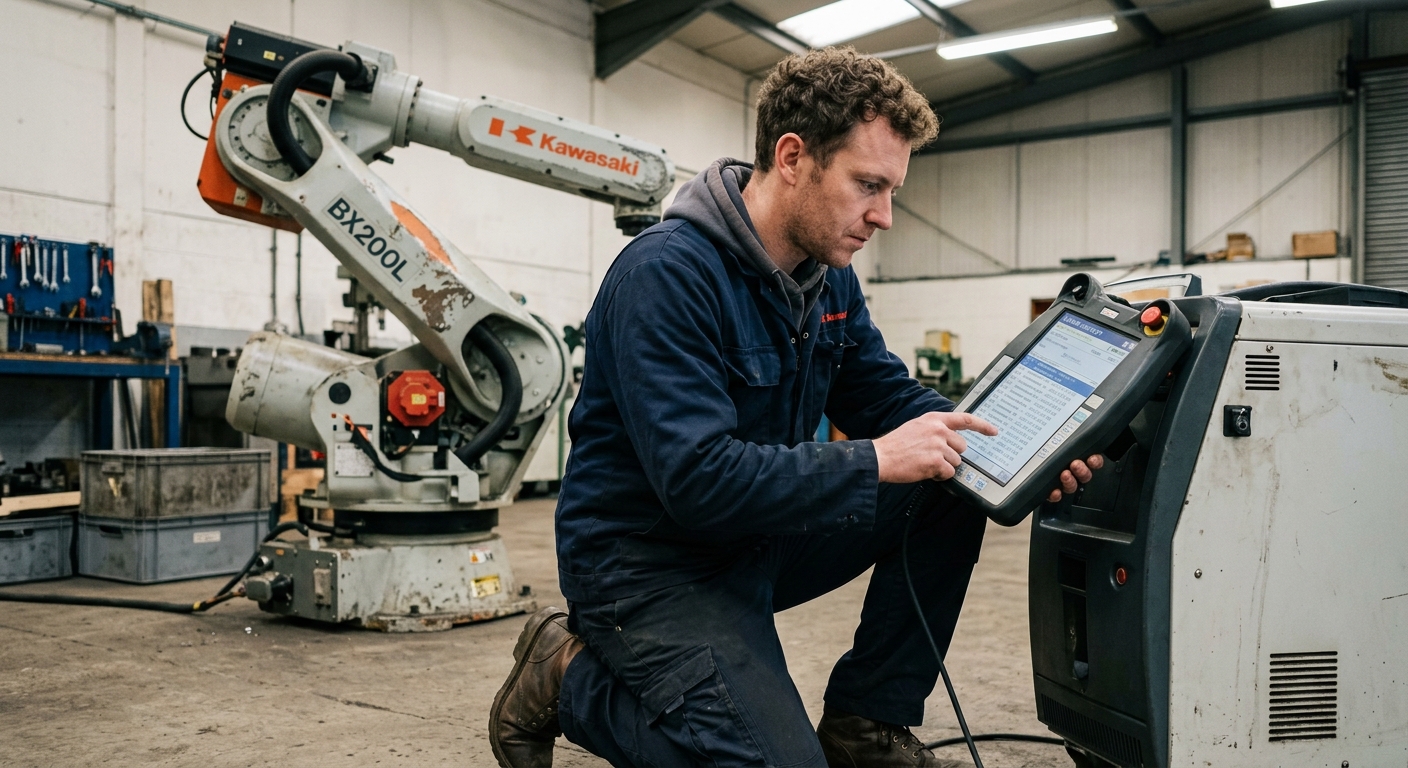
Technician reviewing industrial robot alarm history on a controller before a used robot purchase

A clean exterior and a successful power-up do not tell you how a used industrial robot behaved during production. The robot alarm history can provide another layer of evidence by showing which faults were recorded, whether similar alarms occurred repeatedly, and which areas deserve closer inspection before a buying decision is made. Alarm history is … Read more

Update and modernization of industrial robots: when does refurbishing make more sense than buying new?

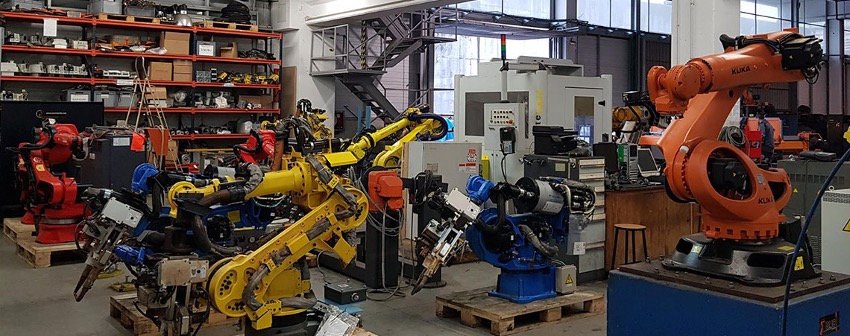
In many workshops, the same dilemma repeats itself: should you buy a new robot or modernize the one already installed? With advances in controllers, sensors, software, and mechatronics, older robots can be brought back to life effectively. The key is knowing when refurbishment makes sense— and when it’s time to replace. Why consider modernization? A … Read more

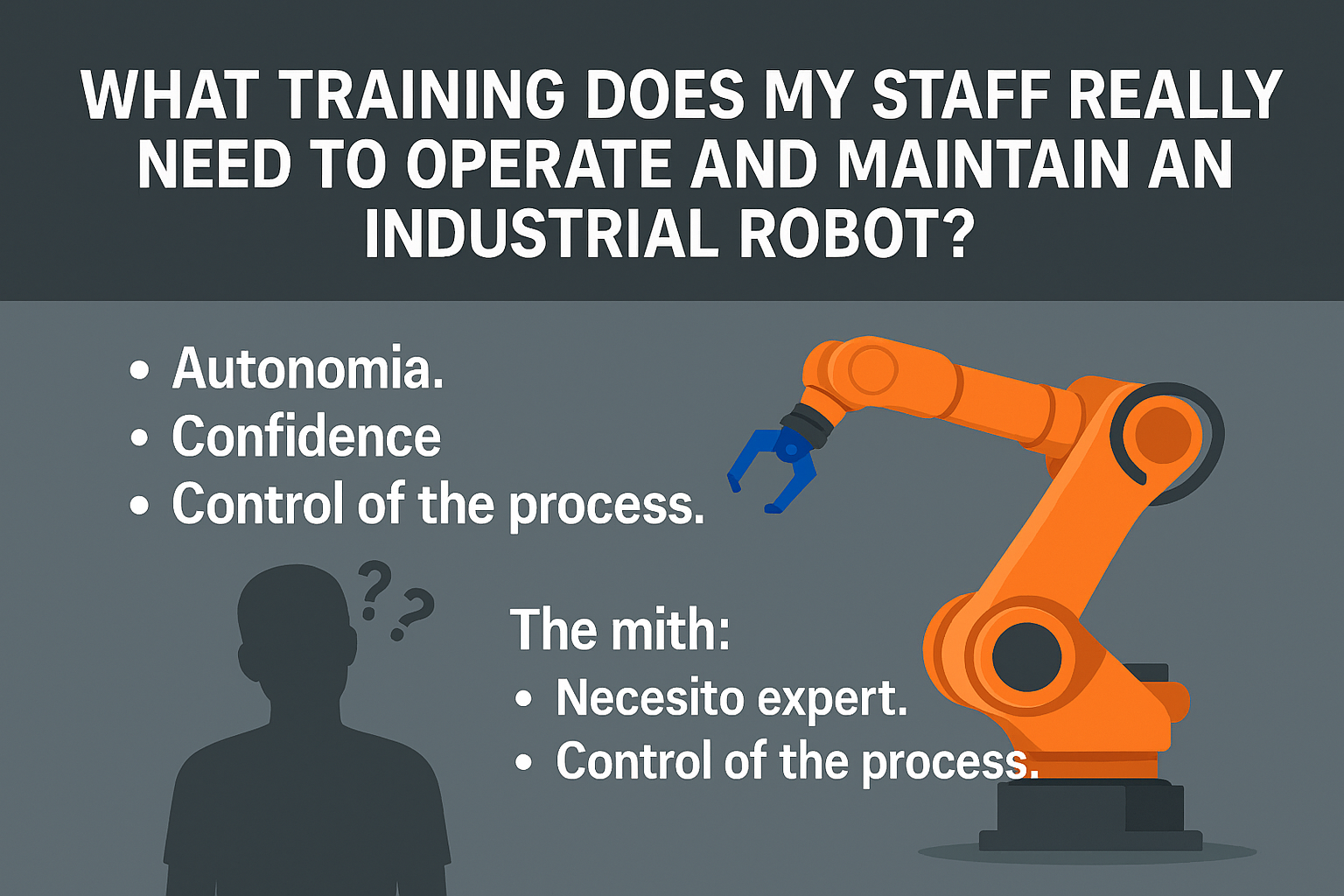
WHAT TRAINING DOES MY STAFF REALLY NEED TO OPERATE AND MAINTAIN AN INDUSTRIAL ROBOT?

From the fear of depending on the integrator to true autonomy on the shop floor: “What if only they know how to make it work?” When an automation project is nearing its end, a silent concern often appears: “After the integrators leave, who keeps the knowledge?” It’s not a technical question. It’s a human question, … Read more

MODULAR ROBOTS: TECHNICAL ADVANTAGES FOR SCALABLE PRODUCTION SYSTEMS

Modular robot design is revolutionizing industrial automation by offering unprecedented flexibility and efficiency. This approach allows factories to quickly adapt to shifting market demands, streamline their processes, and reduce operational costs. What’s driving the change? The ability to easily reconfigure modular robots enables them to take on different tasks, making it easier for production lines … Read more