Before a Used Robot Goes Back Into Die Casting

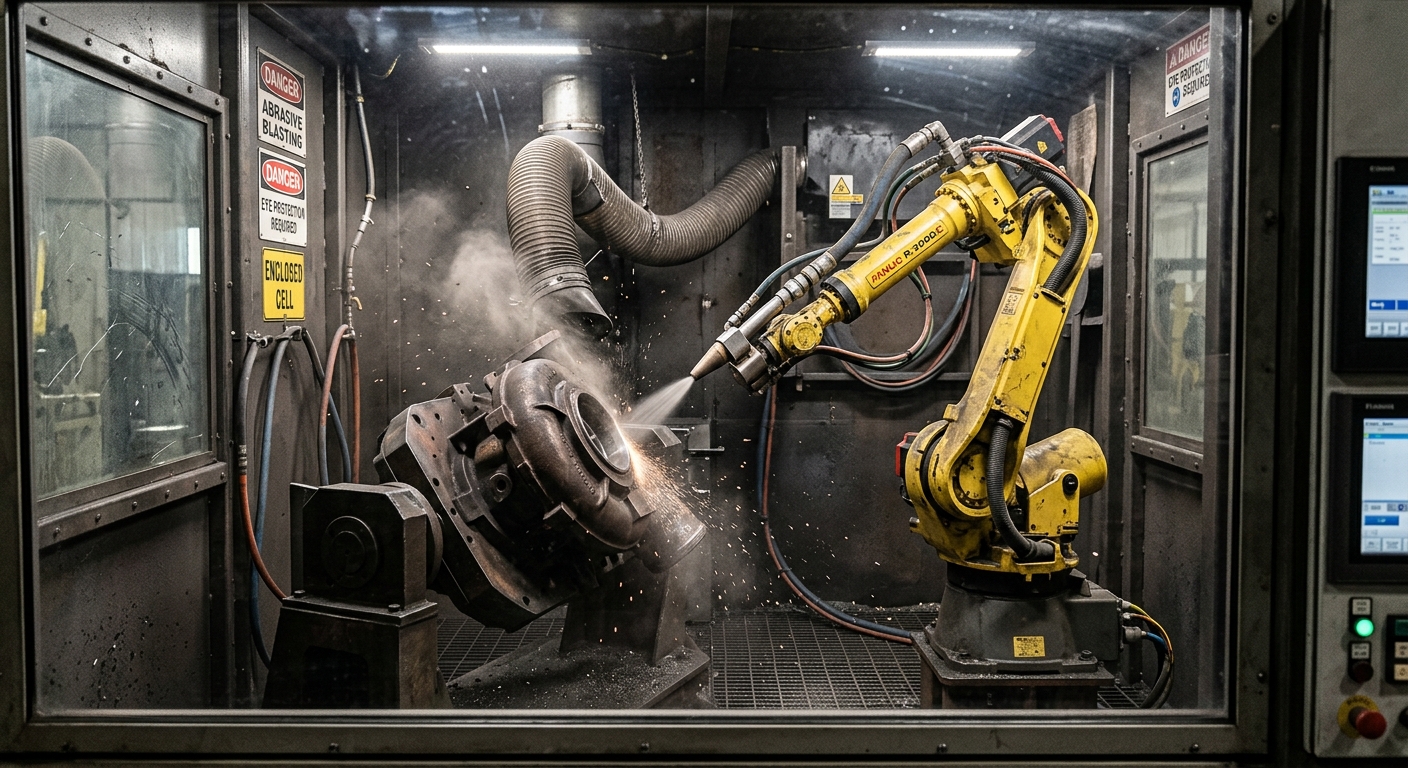
Used industrial robot handling a casting beside a die-casting machine

A robot can move smoothly during a test and still create problems once it returns to a die-casting cell. Buyers evaluating used die-casting robots need to look beyond basic motion. Mechanical wear, heat exposure, controller condition, tooling, and integration requirements all affect whether reuse makes sense. Die casting can expose equipment to heat, contamination, lubricants, … Read more

One Robot Brand Across the Factory: Standardization or Constraint?

Standardization Can Reduce Complexity, but It Can Also Create the Wrong Constraint Robot brand standardization can make a factory easier to support when technicians use familiar controllers, programmers work within a common environment, and maintenance teams manage a more concentrated spare-parts strategy. The problem starts when the standard becomes more important than the application. A … Read more

The Alarm History Check That Can Change a Used Robot Buying Decision

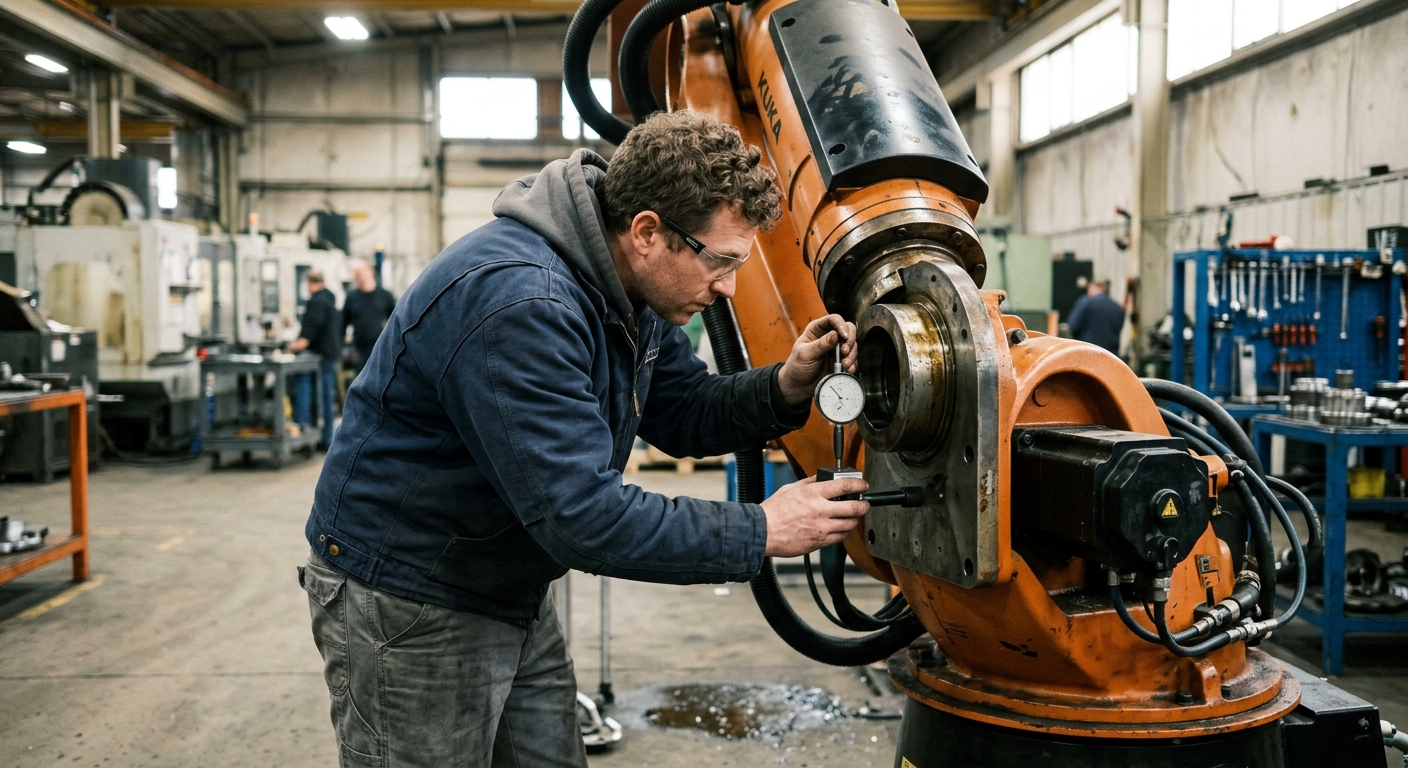
Technician reviewing industrial robot alarm history on a controller before a used robot purchase

A clean exterior and a successful power-up do not tell you how a used industrial robot behaved during production. The robot alarm history can provide another layer of evidence by showing which faults were recorded, whether similar alarms occurred repeatedly, and which areas deserve closer inspection before a buying decision is made. Alarm history is … Read more

Before You Buy a Used Robot, Will Its Controller Fit Your Cell?

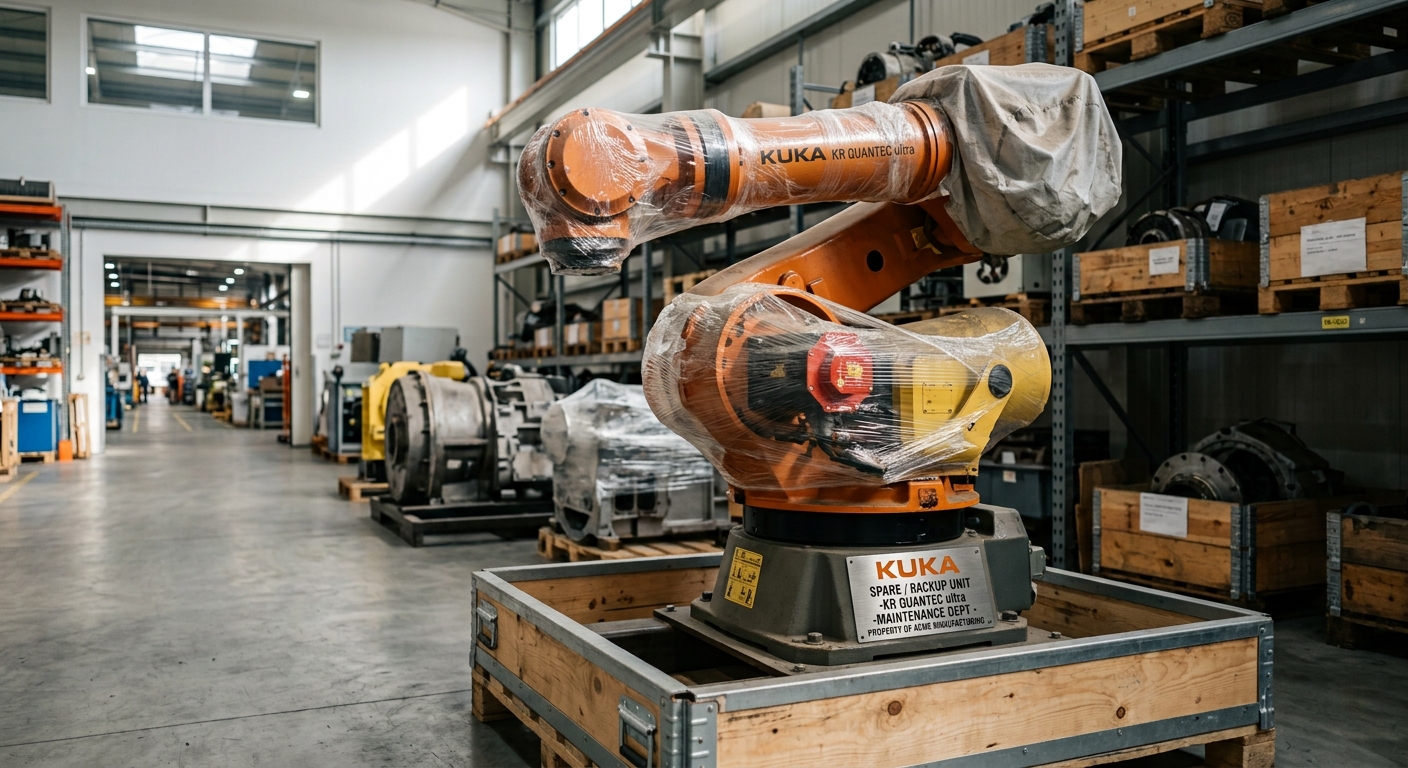
Used industrial robot controller being evaluated for compatibility with an existing automated production cell

A Compatible Robot Arm Is Not Enough A used robot can meet the mechanical requirements of an application and still become an expensive integration problem if used robot controller compatibility is checked too late. The controller determines how the robot is programmed, how it communicates with other equipment, which software functions are available, how backups … Read more

Connecting Legacy Robots Changes the Cybersecurity Risk

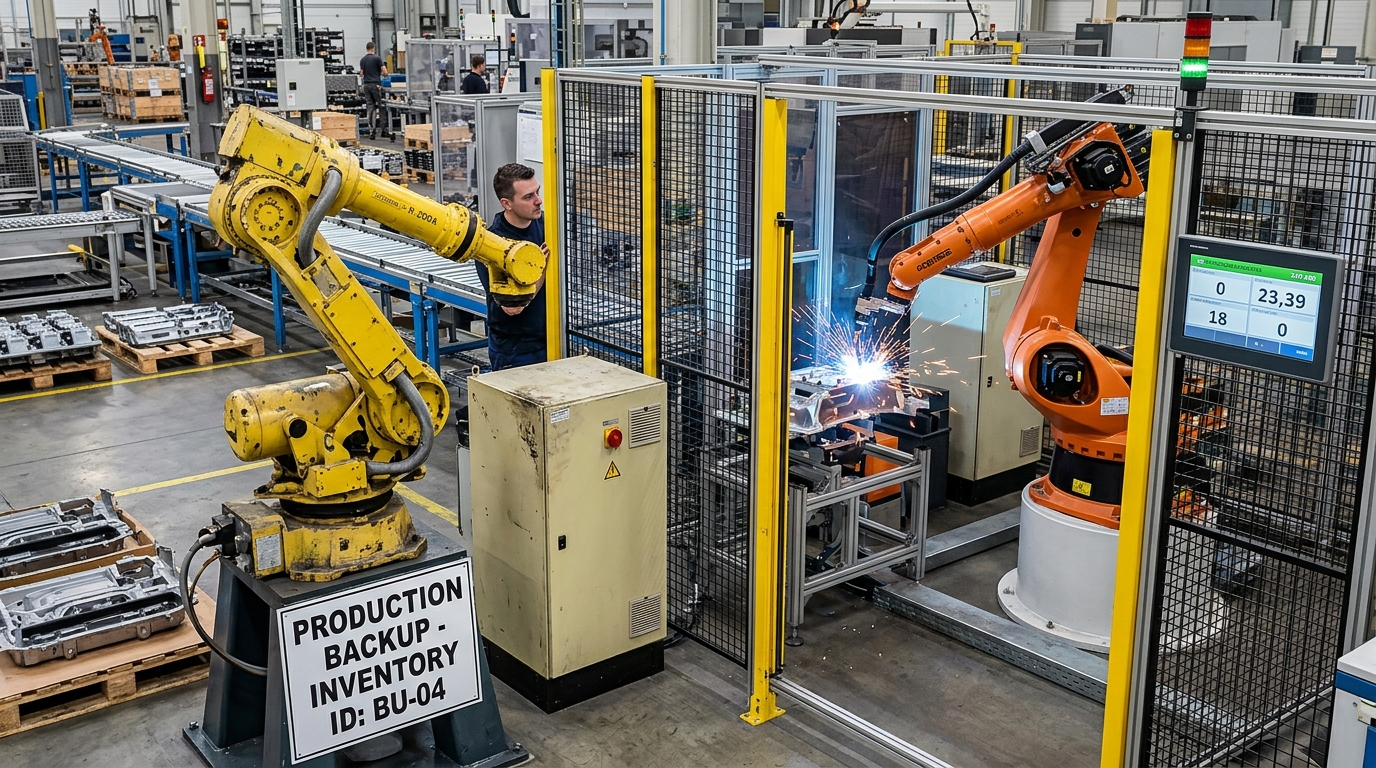
Legacy industrial robot controller connected to a factory network

A robot can run reliably for years and still create new production risks when a plant connects it to a wider network. The mechanical system may stay the same, but the industrial robot cybersecurity context changes. The controller can now exchange data with PLCs, engineering computers, monitoring systems, remote-support tools, and other equipment. This does … Read more

The Downtime Question That Can Change Your Automation ROI

Production team assessing downtime risk and recovery requirements for an industrial robotic automation cell

Downtime Has to Be Part of the Automation Decision The real question about automation downtime is not whether a robotic cell will ever stop. The question is how much production the plant can lose when it does. Operations also need to know how quickly the team can identify the cause and restore production. Automation can … Read more

A Robotic Cell Can Run All Day and Still Lose Production

Industrial robotic cell operating during a normal manufacturing production shift

The production day starts before the robot moves. A normal day of robotic cell operation involves much more than a robot repeating programmed movements. Startup conditions, material flow, operator decisions, changeovers, minor stops, maintenance, and recovery all affect how much useful production the cell delivers. A robot can remain powered for most of a shift … Read more

After Robot Installation: The Real Production Challenges Begin

What happens after robot installation? Real challenges with production, maintenance, training, downtime, and technical support.

A robotic cell can pass installation and still struggle in production. The most important post-installation robot challenges often appear only after operators begin running normal shifts, product variation enters the cell, minor faults occur, and maintenance teams have to recover the system without the integrator standing beside them. Installation proves that the equipment can operate; … Read more