When Small Factory Automation Delivers ROI on a Limited Budget

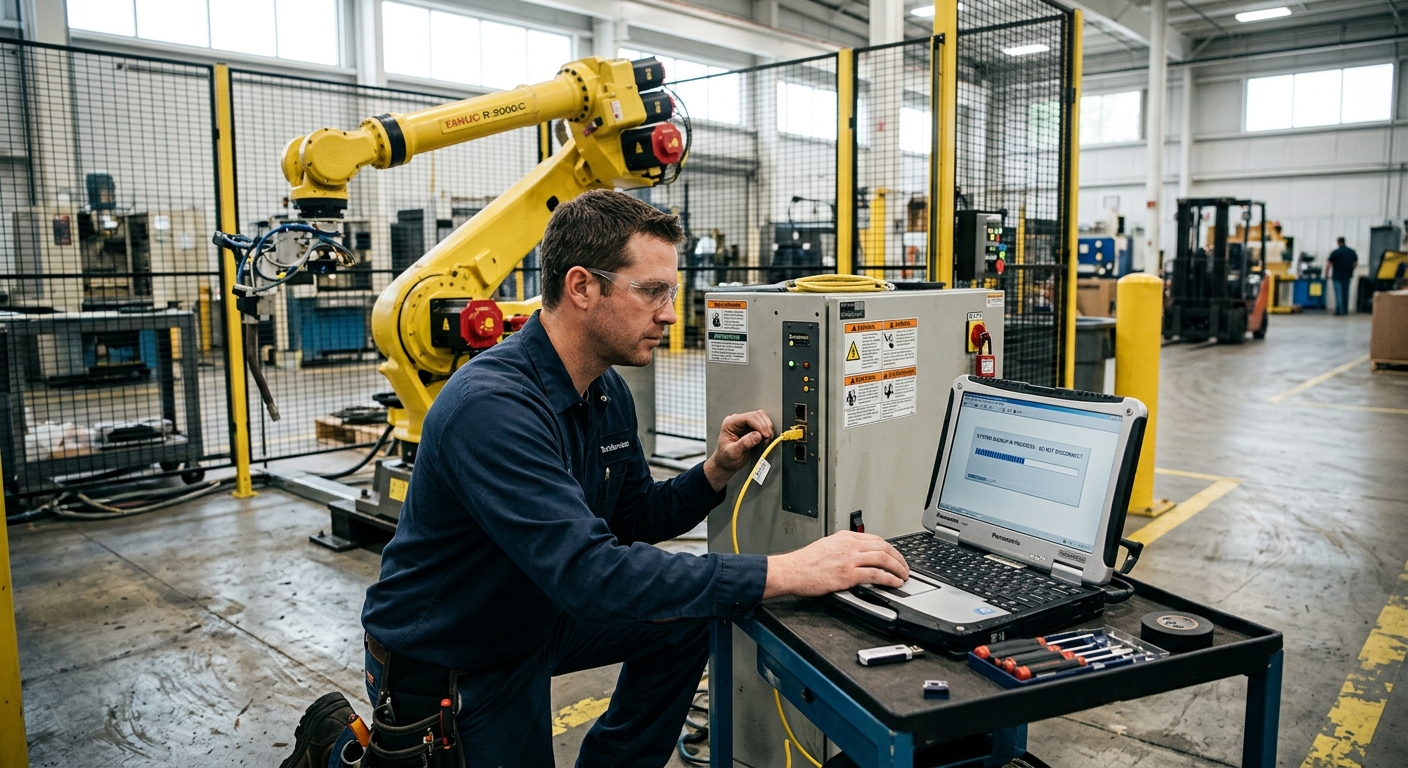
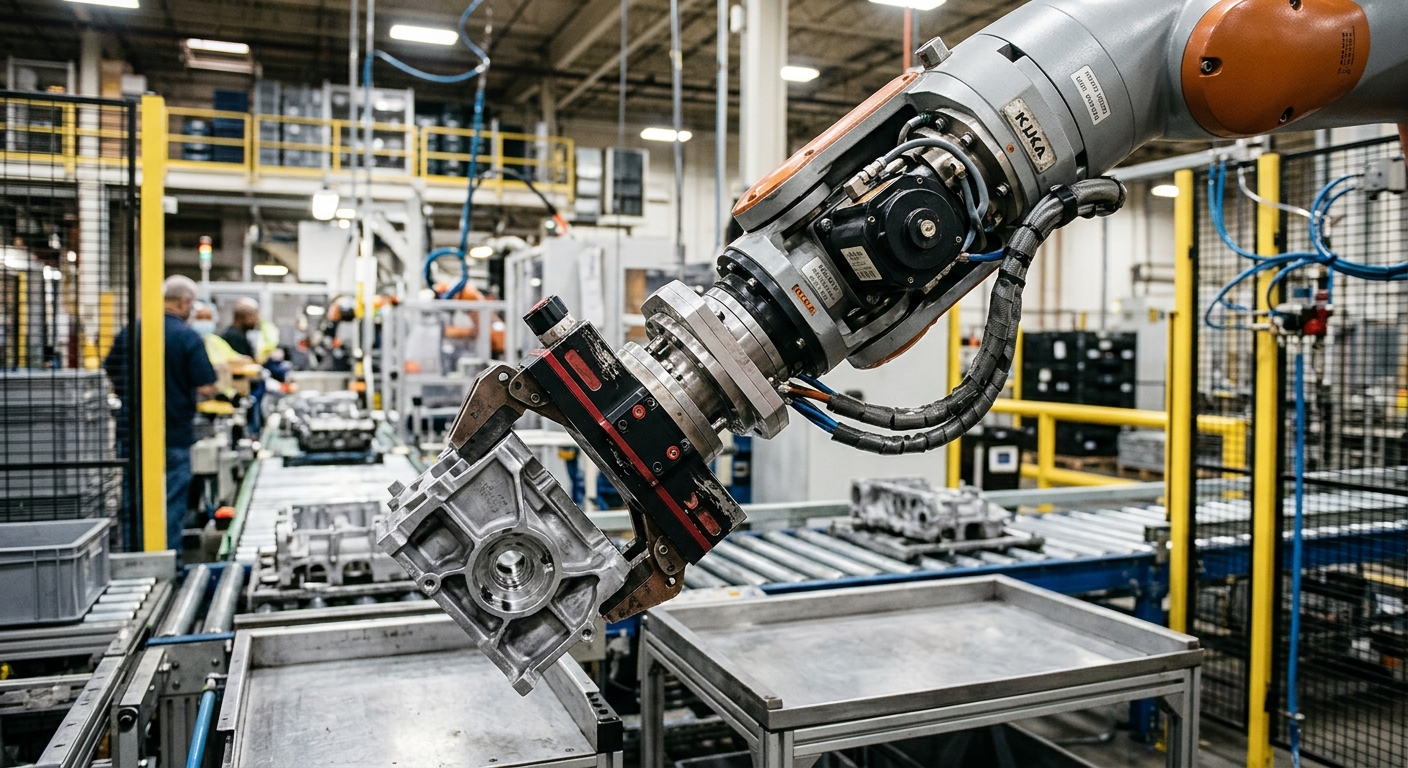
Small manufacturing facility evaluating an industrial robot for a budget-conscious automation project

Why Budget Is Rarely the Biggest Constraint The biggest obstacle to small factory automation is often assumed to be budget. In reality, many automation projects fail because companies try to automate the wrong process first. A limited budget makes process selection even more important, because there is little room for expensive redesigns, unexpected integration work, … Read more

When Do Used Robots Make Sense for Food Industry Automation?

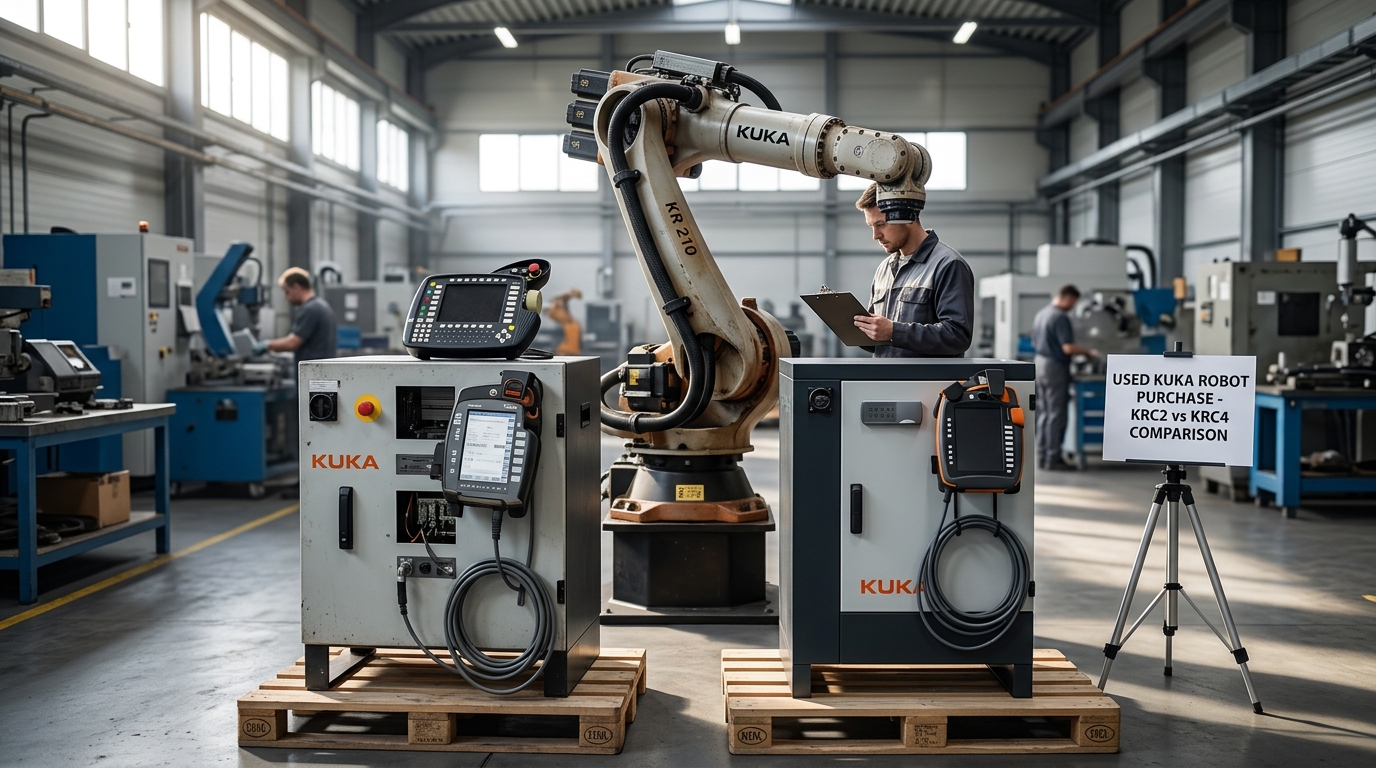
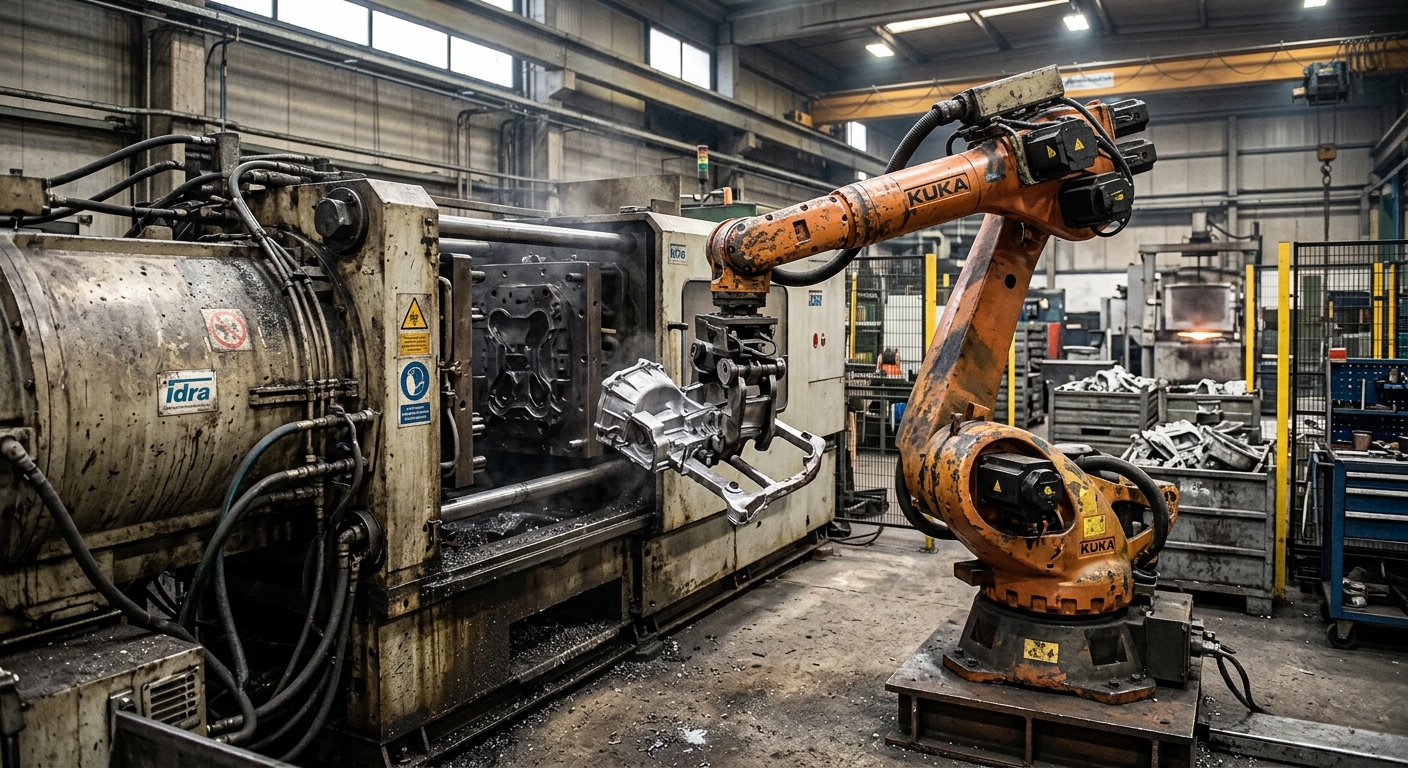
Refurbished industrial robot operating in a food production automation cell

Why Lower Purchase Cost Is Only Part of the Decision Food industry automation is often evaluated under pressure to increase production capacity, improve consistency, or address labor shortages. In that situation, a used industrial robot can appear to be the obvious financial choice. The real question, however, is whether the robot can meet the hygiene, … Read more

A Second-Hand Robot Can Look Ready for Production and Still Hide Expensive Risk

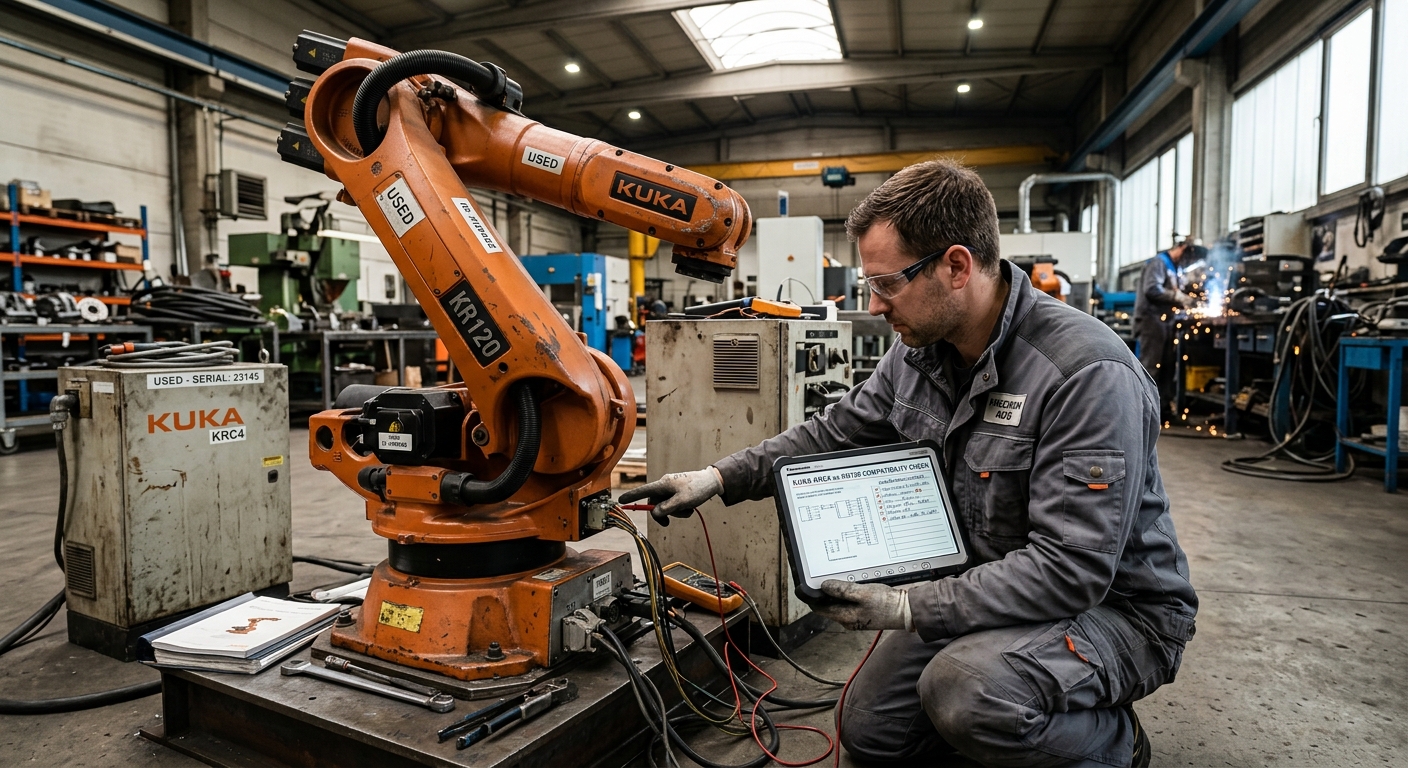
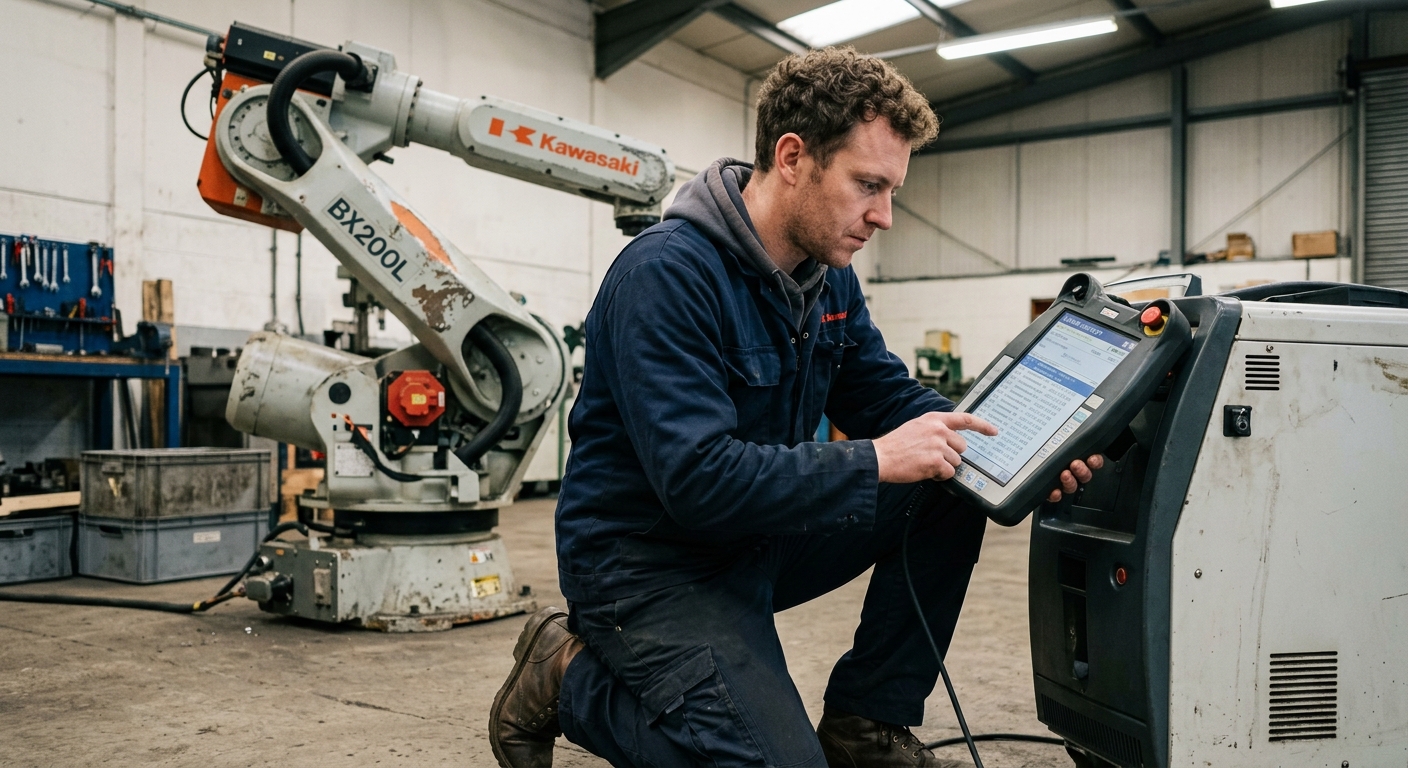
Technician carrying out a second-hand robot inspection before purchase

A second-hand robot inspection should answer a harder question than whether the arm powers up and moves. The real issue is whether the robot can enter a specific production environment without creating avoidable mechanical, controller, compatibility, maintenance, or downtime risk. A machine can look clean, complete a short demonstration, and still be a poor purchase … Read more

From One Robot to a Fully Automated Plant: When Should You Scale?

Why Scaling Automation Is a Different Decision Than Buying the First Robot The success of a company’s first robotic cell often creates pressure to automate everything else. That enthusiasm is understandable, but scaling robotic automation is not simply a matter of purchasing additional robots. The conditions that made the first project successful may not exist … Read more

Industry 4.0 vs Industry 5.0: What Changes for Manufacturers?

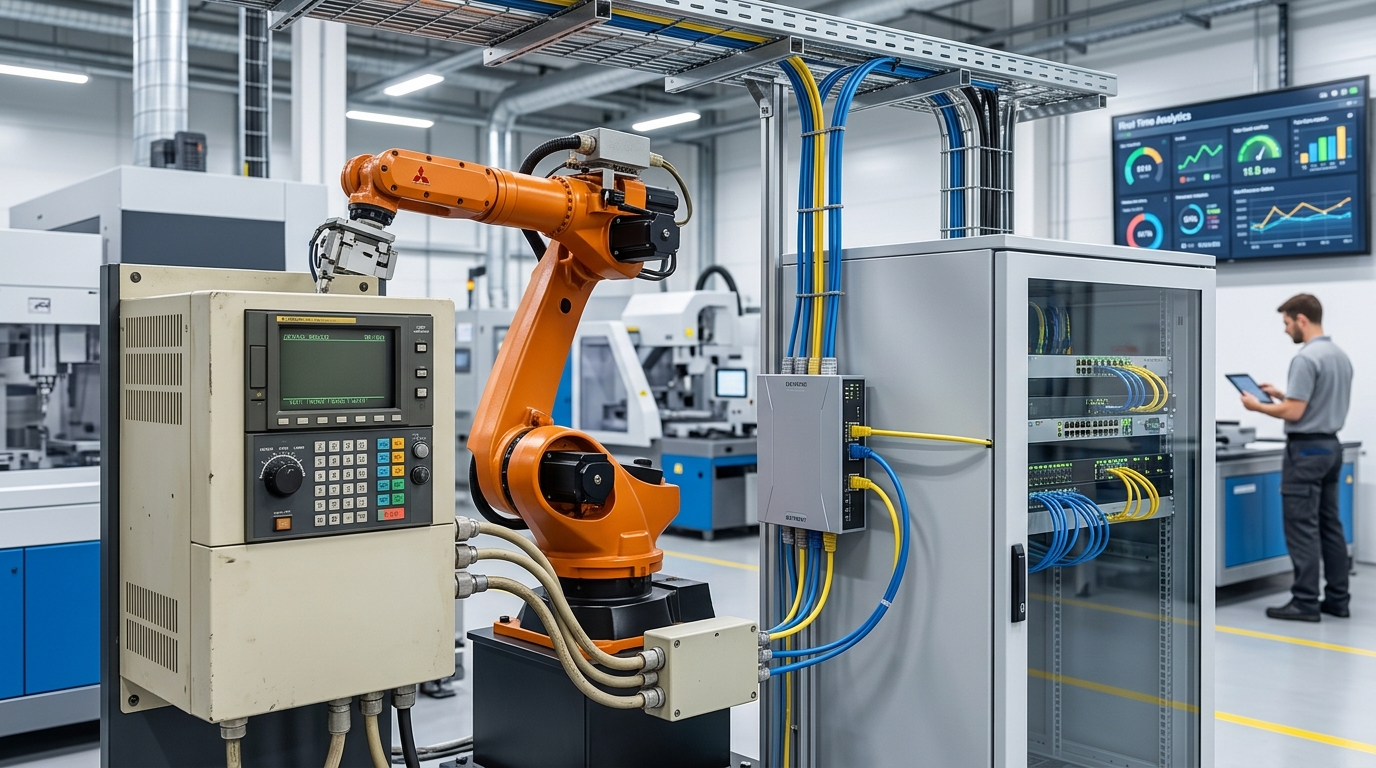
Manufacturing team evaluating connected automation and human-centred production systems

The practical question behind Industry 4.0 vs Industry 5.0 is not which label sounds more advanced. Manufacturers need to decide whether they should keep prioritizing connectivity, automation, and data visibility or broaden investment criteria to include human roles, resilience, adaptability, and dependence on complex digital systems. That distinction matters because a plant can buy connected … Read more

Choosing a Robot Gripper Without Creating a New Production Constraint

Industrial robot using end-of-arm gripping tooling to handle parts in an automated production cell

The Wrong Gripper Can Undermine an Otherwise Suitable Robot A robot can have suitable reach, capacity, and controls, yet the cell can still fail because robot gripper selection focused on the part drawing instead of the production process. The gripper must acquire the real part, tolerate expected variation, maintain control during motion, and release the … Read more

The Hidden Risks to Check Before Buying a Used Industrial Robot

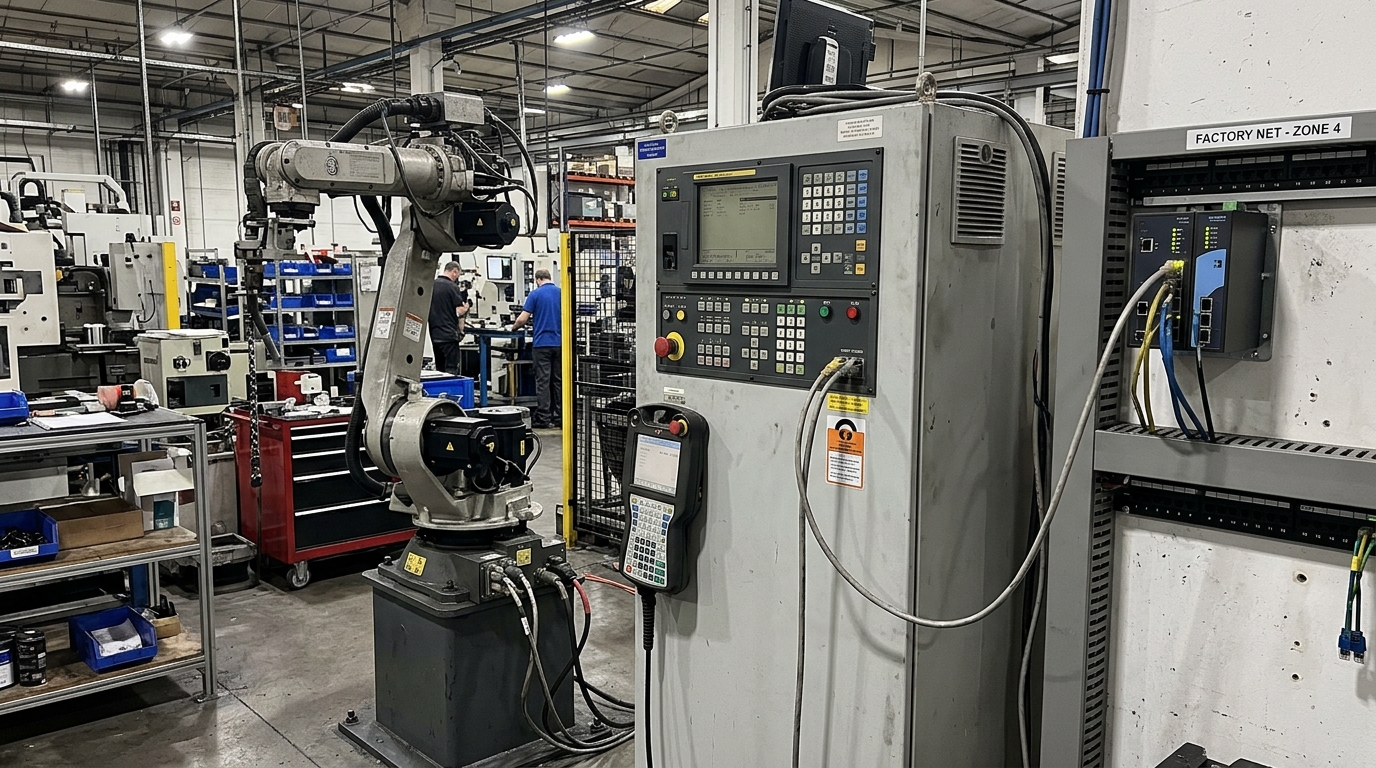
Technical buyer inspecting a used industrial robot before purchase

A used industrial robot can reduce the initial equipment cost of an automation project. However, purchase price rarely determines whether the investment succeeds. The real risk comes from buying a robot that looks suitable on paper but creates problems through wear, controller limits, missing software, weak parts support, or poor cell compatibility. The decision must … Read more

When Simpler Robot Programming Creates More Production Risk

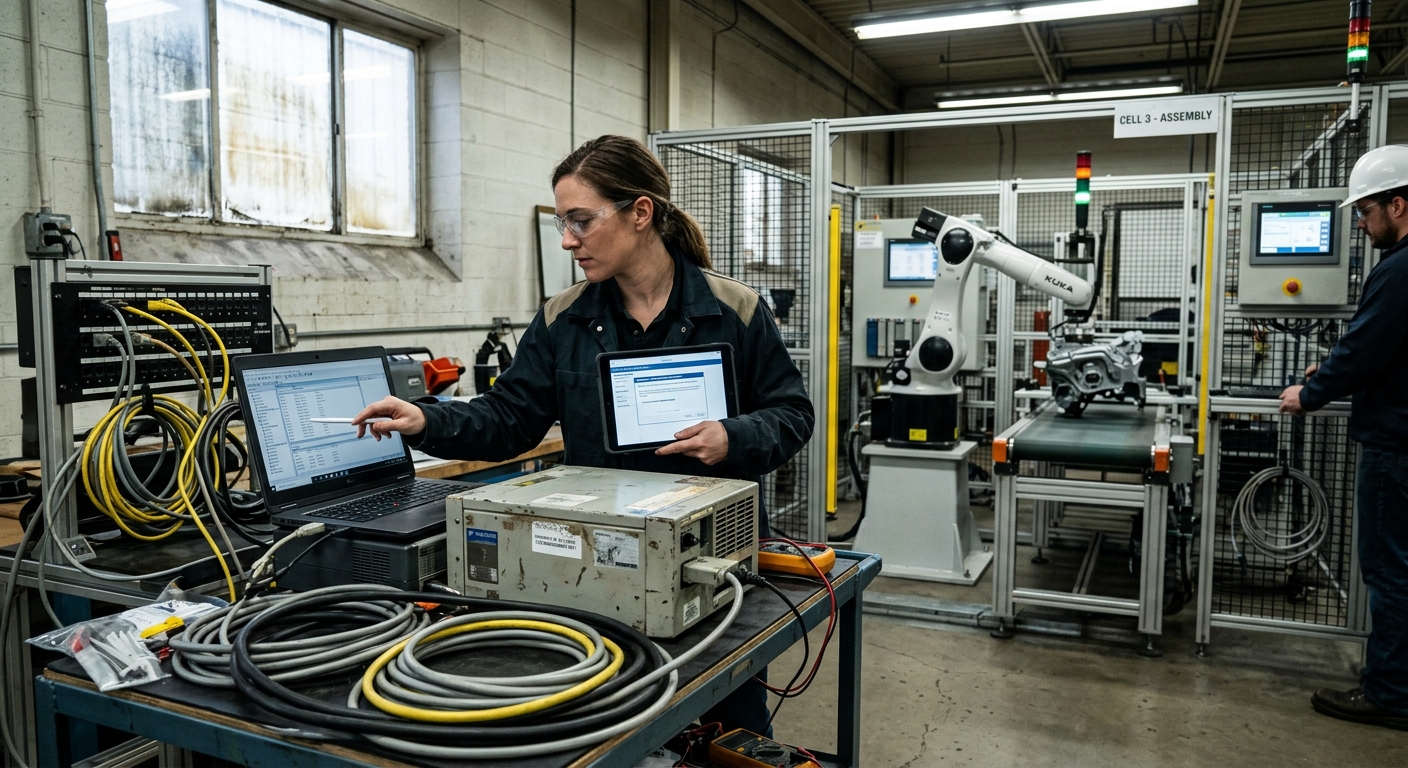
Automation engineer evaluating industrial robot programming and simulation methods for a production cell

The attraction of simpler industrial robot programming is easy to understand: reduce specialist dependency, prepare programs away from production, shorten commissioning work, and make automation accessible to more internal staff. The risk is assuming that easier programming also makes the robotic application easier to engineer. A no-code interface can simplify how a user defines a … Read more

The Hidden Risks to Check Before Buying a Used Industrial Robot

Technical buyer inspecting a used industrial robot before purchase

A used industrial robot can reduce the initial equipment cost of an automation project. However, purchase price rarely determines whether the investment succeeds. The real risk comes from buying a robot that looks suitable on paper but creates problems through wear, controller limits, missing software, weak parts support, or poor cell compatibility. The decision must … Read more